(214) 420-7611


Shoulder pain can stop you from doing the things you love. Whether it's a sports injury, a fall, or chronic aching, knowing when to see an orthopedic shoulder surgeon is important. Not every ache needs surgery. But some injuries do need expert care fast. This guide helps you understand your symptoms and decide what to do next.

Most shoulder pain gets better without surgery. According to the American Academy of Family Physicians (AAFP), about half of patients improve with non-surgical treatment.
Conservative care usually includes:
Give treatment at least 6 to 12 weeks. If you don't improve, it's time to see an orthopedic shoulder surgeon.
Conditions that often respond to conservative care:
Sharp shoulder pain after a fall, car accident, sports hit, or direct blow should be checked quickly.
A shoulder that looks out of place, uneven, swollen, or has a new lump may signal a dislocation, fracture, or joint injury.
If you cannot raise your arm, reach overhead, or move your shoulder normally, the injury may be more serious than a strain.
Numbness, tingling, or weakness may mean a nerve is being affected. This can happen after a dislocation, neck injury, fracture, or severe swelling around the shoulder.
Shoulder pain with fever can be a warning sign of infection. Infection inside or around the joint can become serious if treatment is delayed.
New shoulder pain should be taken seriously if you have a current or past history of cancer. While many causes are not cancer-related, unexplained bone or joint pain needs proper evaluation.
Some symptoms can't wait. Seek care right away if you have any of these:
Sharp shoulder pain after a fall, car accident, sports hit, or direct blow should be checked quickly. It may point to a fracture, dislocation, or major soft tissue injury. Delaying care can make the injury worse and slow your recovery.
A shoulder that looks out of place, uneven, swollen, or has a new lump may signal a dislocation, fracture, or joint injury. This is especially important if the change appeared after trauma. An orthopedic shoulder surgeon can examine the shoulder and order imaging to find the cause.
If you cannot raise your arm, reach overhead, or move your shoulder normally, the injury may be more serious than a strain. This can happen with a severe rotator cuff tear, fracture, or nerve-related injury. Fast evaluation helps protect shoulder function and guides the right treatment plan.
Numbness, tingling, or weakness may mean a nerve is being affected. This can happen after a dislocation, neck injury, fracture, or severe swelling around the shoulder. These symptoms should be checked right away, especially if they are getting worse.
Shoulder pain with fever can be a warning sign of infection. Infection inside or around the joint can become serious if treatment is delayed. Seek urgent medical care if fever, redness, warmth, swelling, or severe pain appear together.
New shoulder pain should be taken seriously if you have a current or past history of cancer. While many causes are not cancer-related, unexplained bone or joint pain needs proper evaluation. A specialist can review your history, symptoms, and imaging to rule out serious causes.
An orthopedic shoulder surgeon is a specialist trained in diagnosing and treating all shoulder conditions. They work alongside a sport medicine doctor to create the right plan for you.
Your first visit typically includes:
As a joint specialist, a shoulder surgeon looks at the full picture. They consider your age, activity level, and goals before recommending surgery.

When conservative management fails, surgery may be the best option. Modern shoulder procedures are frequently performed with small incisions using a technique known as arthroscopy.
Used to treat full-thickness tears. According to studies, 93-97% of patients regain good shoulder function after arthroscopic repair (AAOS, 2025).
For recurrent dislocation. Most patients, particularly athletes under the age of 25, respond favorably to arthroscopic bankart repair.
A shoulder replacement surgeon treats severe arthritis or advanced cuff damage.
Research shows reverse shoulder replacement offers about 88% implant survivorship at 10 years.
For patients with bone loss, an open Latarjet procedure offers strong long-term results.
A sport medicine doctor may co-manage your care before and after surgery to speed up your recovery.
Whether you need a joint specialist, a shoulder replacement surgeon, or guidance from a sport medicine doctor, our team is here for you.
If shoulder pain lasts more than 6 weeks despite rest and therapy, it's time to see an orthopedic shoulder surgeon. Also seek care right away for trauma, weakness, or visible deformity.
Yes, a sport medicine doctor can manage many shoulder conditions with physical therapy, injections, and activity changes. They often work alongside surgeons to give you a full care plan.
A shoulder replacement surgeon is needed when arthritis or severe joint damage limits your daily life. Surgery is considered after non-surgical options have been tried and failed.
A joint specialist checks your range of motion, strength, and pain location. They also review imaging, such as X-rays or MRI, to find the source of your problem.
Most patients wear a sling for 4 to 6 weeks, followed by 3 to 6 months of physical therapy. Full recovery depends on the type of surgery and your overall health.
Sunnyvale Orthopedics accepts most major insurance plans, TRICARE, and workers' compensation. Call our office to confirm your coverage before your visit.
Shoulder problems do not always go away on their own, and the right specialist can make the path forward clearer. At Sunnyvale Sports Medicine and Orthopedic Surgery Center, Dr. John M. Hibbitts brings board-certified expertise and more than 20 years of experience in orthopedic sports medicine, with care for athletes, workers, first responders, and Dallas-area patients with shoulder injuries.
Take the next step toward less pain and better movement. Call Sunnyvale Sports Medicine and Orthopedic Surgery Center at 214-420-7611 or schedule your consultation online with Dr. Hibbitts today.
Adults seek medical attention most frequently due to knee pain. With over 365 million cases recorded globally, the knee is the most often afflicted joint in osteoarthritis, according to the World Health Organization. But not every pain requires immediate medical attention. Knowing when to consult a knee specialist is crucial. This tutorial discusses seven obvious indicators that your knee discomfort needs to be evaluated by a professional, and when it just cannot wait.
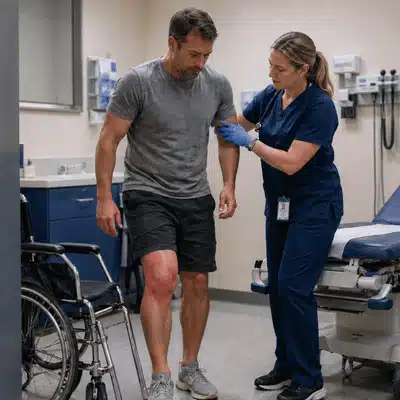
Some symptoms are emergencies. Go to urgent care or the ER the same day if:
These signs may point to infection, fracture, or serious injury. Do not wait for a routine appointment.
If you have been searching for a knee joint pain doctor near me, here are the signs that confirm it's time to book that visit.
Pain that sticks around and affects sleep, stairs, or daily tasks is not normal. Persistent symptoms that limit your life are a key reason knee specialist recommend evaluation. Diagnosed arthritis affects nearly 19% of U.S. adults, per CDC data.
Recurring swelling is a signal that something is wrong inside the joint. It can point to a meniscal tear, gout, or inflammatory arthritis. A joint specialist will assess the cause before ordering imaging.
When your knee is truly locked, you are unable to fully bend or straighten it. The occasional click is not the same as this. A misplaced meniscal rupture or loose cartilage is frequently indicated by a locked knee. If this occurs, consult knee specialists very soon.
Instability is more than just uncomfortable. It increases your risk of falling. Frequent buckling may indicate severe arthritis-related weakening or ligament damage, such as an ACL tear. To rule out a structural problem, this requires a thorough knee assessment.
This is a same-day issue. You may have a fracture, tendon rupture, or dislocation if you twisted your knee and are now unable to bear weight on it. Don't wait until next week to get evaluated.
A hot, painful, swollen knee with fever may be septic arthritis, a joint infection that requires emergency care. Fever is not always present, so do not use that alone as your guide. If the joint feels warm and very painful with movement, act fast.
Inflammatory arthritis or, in rare cases, bone tumors may be indicated by stiffness that lasts more than thirty minutes in the morning, discomfort that wakes you up at night, or swelling in several joints. Patients with suspected inflammatory arthritis should contact a doctor within six weeks of the condition's onset, according to the European League Against Rheumatism. A joint expert can assist you in determining the best course of action.
Not sure if your symptoms qualify? Our knee specialists at Sunnyvale Orthopedics can help you find answers. Book a knee evaluation today.
Your first visit will not start with an MRI. A thorough knee examination usually includes:
The American College of Radiology recommends starting with X-rays for chronic knee pain, not MRI. About 28% of knee MRIs in one large study were ordered without prior X-rays. Your specialist will make sure testing is targeted and appropriate.
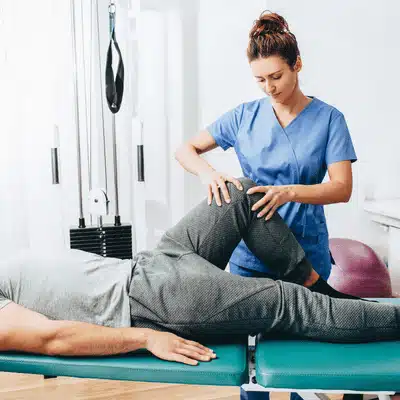
Seeing knee specialists does not mean you are headed straight for surgery. Most people start with:
The goal is to find what works for your specific knee, not jump to the most aggressive option.
No. Most knee specialists begin with a physical exam and X-rays. MRI is ordered when the exam or X-rays suggest a specific problem that needs further imaging.
If your knee is hot, red, swollen, or you are unable to walk due to an injury, visit urgent care. If your everyday activities are hindered by discomfort that has persisted for weeks, schedule a routine checkup.
If you have true locking, your knee is trapped and unable to fully straighten. This often indicates a meniscal tear or loose cartilage; a joint specialist should be consulted promptly.
Indeed. Both fluid accumulation and muscle weakening that results in buckling can be brought on by osteoarthritis. A thorough examination of the knee will help determine the cause and guide treatment.
Surgery is typically discussed only after non-surgical options like exercise, weight management, and injections have not provided enough relief. Your specialist will walk you through the options.
Do not wait more than 6 weeks if pain is affecting your daily life. See someone sooner if symptoms are getting worse, not better.
Knee pain that limits your life is worth taking seriously. Whether it is pain that has lasted for weeks, a knee that buckles, or swelling that will not go away, knee specialists can help you get clear answers and the right plan. If you have been looking for a knee joint pain doctor near me, Sunnyvale Orthopedics is here to help.
At Sunnyvale Orthopedics, patients are treated by Dr. John M. Hibbitts, an orthopedic surgeon and sports medicine specialist who has worked with knee injury patients since 1994. He brings extensive experience in knee realignment procedures, meniscus and cartilage transplants, and knee reconstruction and replacement surgery, giving patients a more informed path from diagnosis to treatment. When knee pain starts limiting your movement, having that level of experience behind your care can make the next steps clearer and more effective.
Do not keep pushing through knee pain that is getting worse, causing swelling, or making your knee buckle. Schedule your evaluation with Sunnyvale Orthopedics today to get a clear diagnosis, targeted treatment plan, and experienced specialist care before a manageable problem turns into a longer recovery.
Knee pain can stop you cold. Whether it happened during a sport or crept up over time, a thorough knee examination is the first step toward answers. At your first visit with an orthopedic knee specialist, your doctor does far more than press on your knee and send you home. This guide walks you through exactly what to expect so you walk in prepared and walk out with a clear plan.

A knee examination has three main parts: history, physical exam, and imaging if needed. Your joint doctor uses each step to narrow down the cause of your pain.
The goal is simple: find out what is wrong and how to fix it.
According to the American Academy of Family Physicians (AAFP), a complete knee physical exam is over 80% sensitive for detecting ACL tears when done correctly.
Before touching your knee, your doctor will ask questions. Be ready to answer:
Tip: Wear shorts or bring a pair. Your doctor needs full access to your knee.
Your doctor looks at your knee before touching it.
Your doctor bends and straightens your knee.
This is where knee exam maneuvers help.
Your doctor also checks pulses, sensation, and reflexes.
This is the heart of any orthopedic knee evaluation. Your doctor works through several steps.
Your doctor looks at your knee before touching it. They check for:
Next, they feel along the joint line, the kneecap, and the surrounding tissues. They check for warmth, tenderness, and fluid buildup.
Your doctor bends and straightens your knee. Normal flexion is around 135 degrees. Limited motion points to swelling, tightness, or structural damage.
This is where knee exam maneuvers help. Your doctor may use tests such as the Lachman and anterior drawer to check ACL stability, valgus and varus stress to assess the MCL and LCL, and McMurray's or Thessaly to look for signs of a meniscus tear. A patellar apprehension test may also be used to check kneecap instability, especially if the knee feels like it may slip out of place.
Your doctor also checks pulses, sensation, and reflexes. This rules out nerve or blood vessel problems.
Red Flags That Need Urgent Care
Tell your doctor right away if you have:
Not every knee examination needs imaging right away. But some findings point to it.
The American College of Radiology (ACR) recommends X-rays as the first imaging step for most knee pain cases, especially chronic pain.
Your doctor may order imaging if they find:
MRI is highly accurate for soft tissue injuries. Research shows it detects medial meniscus tears with about 93% sensitivity (NIHR, 2015).
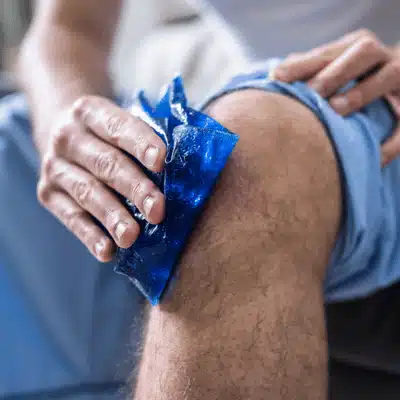
Your knee specialists will review findings and explain what comes next. Common paths include:
In the US, 20% of adults have arthritis, and that number rises to over 54% for those 75 and older (CDC, 2024). Early assessment by knee specialists before symptoms worsen is beneficial to many.
Are you prepared to receive answers? Schedule a knee exam with one of our orthopedic knee specialists right now. A quicker recovery is possible with an early diagnosis.
Most parts of the exam are not painful. Some special tests may cause mild discomfort, especially if you have an existing injury. Your doctor will stop if pain becomes severe.
Most first visits last 30 to 60 minutes. This includes your history, the physical exam, and time to discuss findings and next steps.
No. Your joint doctor will decide if imaging is needed based on your exam. Many diagnoses are made from history and physical findings alone.
Yes. Virtual visits work well for initial evaluations. Your orthopedic knee specialist near me can review your symptoms, watch how you walk, and guide you through self-tests like the Thessaly test via video.
A joint doctor is a general term for any physician who treats joint problems. An orthopedic specialist focuses on the musculoskeletal system, including bones, ligaments, and cartilage.
Bring a list of your current medications, any prior imaging, and a clear description of when the pain started. Wear or bring shorts for easy access to your knee.
Early diagnosis is crucial. Experienced orthopedic specialists treat patients at Sunnyvale Orthopedics using comprehensive examinations, cutting-edge imaging, and tried-and-true treatment regimens to provide precise answers and long-lasting outcomes. Evidence-based care, individualized treatment, and assisting patients in safely and confidently returning to full function are the main priorities of their team.
Stop guessing what’s causing your knee pain and get real answers from specialists who treat it every day. Book your knee examination with Sunnyvale Orthopedics now and take the first step toward a faster, stronger recovery.
If you have a rotator cuff tear in Dallas, you're not alone. Nearly 2 million Americans see a doctor each year for rotator cuff injuries, according to the American Academy of Orthopaedic Surgeons (AAOS). Whether your tear came from a sports injury or years of wear, the right care makes all the difference. This guide covers the key symptoms, treatment paths, and what recovery looks like.

A rotator cuff tear in Dallas affects the tendons that hold your shoulder joint together. Symptoms can start mild and get worse over time.
Common signs include:
Some people have a tear with no pain at all. Others feel sudden, sharp pain after a fall. If you can't raise your arm right after an injury, see a Dallas shoulder doctor right away. That could mean a large, acute tear that needs prompt care.
Tears happen two ways: a sudden injury or slow wear over time. Both are common in active adults.
Main risk factors:
According to the U.S. Census Bureau, Dallas-Fort Worth added 123,557 residents from July 2024 to July 2025, making it one of the fastest-growing metro areas in the country. The U.S. Bureau of Labor Statistics also projects that older adults will make up a larger share of the population and labor force through 2033, and a review in Clinics in Geriatric Medicine notes that rotator cuff tears become more common with age. Together, those trends suggest demand for rotator cuff care in Dallas is likely to keep rising.
Most doctors start with nonsurgical care. Research published in the Journal of Bone and Joint Surgery (JBJS) found that physical therapy alone helps over 70% of patients with full-thickness tears. Results lasted at least 10 years.
Conservative options include:
The AAOS advises limiting cortisone shots. Repeated injections can weaken tendon tissue and raise surgical risks down the road.
Surgery may be the right call if:
The most common procedure is arthroscopic rotator cuff repair. Your rotator cuff surgeon makes small incisions and uses a tiny camera to reattach the torn tendon. This means less tissue damage and a faster recovery than older open surgery methods.
For complex or irreparable tears, options may include tendon transfer or reverse shoulder arthroplasty.

Recovery depends on whether you had surgery or chose a nonsurgical route. Either way, rehab is the most important part.
Physical therapy often takes several weeks to a few months, depending on the injury. Cleveland Clinic notes that recovery timelines vary by condition, and a 2025 systematic review found that higher exercise adherence was linked with better pain and function outcomes, so gradual progress is normal and consistency matters.
According to a 2024 randomized clinical trial on subacromial pain syndrome, patients showed better pain relief and shoulder function at six months, and a broader systematic review found that exercise therapy helps reduce pain and improve function in shoulder conditions.
Ready to Get Relief? At Sunnyvale Sports Medicine and Orthopedic Center, our team includes experienced shoulder specialists in Dallas, TX who provide individualized care. From diagnosis to recovery, we guide you every step of the way. Book your appointment today or call us to request a consultation.
Start with a visit to a Dallas shoulder doctor for an exam and imaging. Most small to medium tears respond well to physical therapy, while large or acute tears often require surgery.
Most patients regain basic function within 4 to 6 months. Full recovery, including a return to heavy activity or sports, can take up to 12 months.
Partial tears may stabilize with therapy, but full tears will not reattach without surgery. Leaving a full tear untreated can cause the tendon to retract and the surrounding muscles to weaken.
Look for a board-certified orthopedic surgeon with experience in arthroscopic shoulder procedures. Ask about their outcomes with rotator cuff repair.
No. A strain involves overstretching the muscle or tendon without a structural break. A tear means part or all of the tendon has pulled away or split, requiring more targeted treatment.
Yes. Sunnyvale Sports Medicine and Orthopedic Center has dedicated specialists for shoulder, knee, and other joint conditions. You can get comprehensive orthopedic care all in one place.
A rotator cuff tear in Dallas doesn't have to keep you sidelined. With the right diagnosis and a personalized plan, most patients get back to the activities they love. Whether you need physical therapy or a consultation with a rotator cuff surgeon, Sunnyvale Sports Medicine and Orthopedic Center is here to help.
Knee pain is one of the most common reasons people visit a doctor. It affects people of all ages, not just athletes or older adults. In fact, over 500 million people worldwide have osteoarthritis, with the knee being the most commonly affected joint (Global Burden of Disease Study, 2019). If you've been searching for a knee joint pain doctor near me, this guide will help you know exactly when to go, what to expect, and how knee specialists can get you back on your feet.
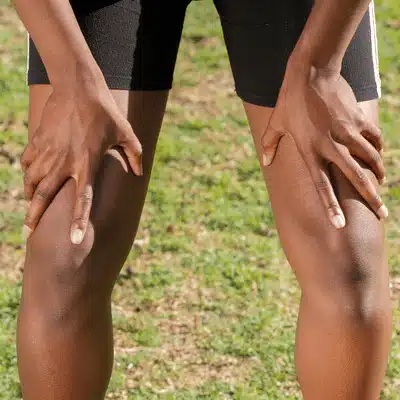
Knee pain can develop gradually or appear suddenly. You can receive the proper care more quickly if you are aware of the cause.
Repetitive motion can cause knee pain in cyclists, runners, and even desk workers. Two of the most prevalent overuse injuries are tendinitis and patellofemoral pain syndrome.
Ligaments and cartilage can be torn by an abrupt twist, fall, or impact. Although they can happen to anyone, meniscus injuries and ACL tears are common in sports.
The most common cause of persistent knee pain in adults over 40 is osteoarthritis. The lifetime risk is approximately 45%, and 14 million Americans suffer from symptomatic knee osteoarthritis (Journal of Pain, 2024). Gout and rheumatoid arthritis can also result in severe knee pain and swelling.
Some knee pain goes away with rest and ice. Other symptoms need prompt attention from a knee joint pain doctor near me. Don't wait if you notice any of these:
If your knee swells quickly or the pain is intense after a fall or twist, see a knee joint pain doctor right away. This may signal a torn ligament, fracture, or serious sprain.
A knee that buckles or collapses suggests instability. Walking on an unstable knee can make the injury worse. Knee specialists can identify and treat the root cause before further damage occurs.
A loud pop at the time of injury is a red flag. The American Academy of Orthopaedic Surgeons advises seeking care immediately if you hear a popping sound along with severe pain or swelling.
These symptoms together may point to a joint infection or severe inflammation. An infected knee joint needs fast medical treatment. A joint doctor can diagnose the issue quickly and start the right treatment.
If knee pain lasts more than two to three weeks or keeps getting worse despite home care, it's time to see an orthopedic knee specialist near me. Ongoing pain can mean an underlying condition that won't heal on its own.
Quick rule of thumb: If knee pain is stopping you from daily tasks or sleep, call a knee joint pain doctor.

A knee joint pain doctor near me is typically an orthopedic doctor, also called a joint doctor, who focuses on bones, joints, and soft tissues. Here's what to expect:
Knee specialists use physical exams, X-rays, and MRI scans to find the exact cause of your pain. Getting the right diagnosis means getting the right treatment.
Most knee conditions are treated without surgery first. Common options include:
If nonsurgical options aren't enough, an orthopedic knee specialist near me can perform minimally invasive procedures or, when necessary, knee replacement surgery. Many patients are surprised by how much can be done before surgery is considered.
Knee specialists also help protect your knees going forward. They provide guidance on exercise, weight management, and activity changes to reduce the risk of future injury.
See a doctor if your knee pain is severe, follows an injury, or hasn't improved after two to three weeks of home care. Also seek help if pain limits your daily activities or you notice swelling, warmth, or instability.
A joint doctor will review your symptoms, examine your knee for swelling, range of motion, and stability, and may order imaging like an X-ray or MRI. The goal is to pinpoint the cause before creating a treatment plan.
Yes. Most arthritis cases are managed with physical therapy, medications, bracing, and injections. Surgery is typically considered only after these options have been tried without enough relief.
Look for a board-certified orthopedic surgeon or sports medicine doctor who specializes in knee conditions. Check their experience with your specific issue, whether that's arthritis, a sports injury, or chronic pain.
It depends on the cause. Low-impact activities like swimming or cycling are often fine, but high-impact exercises may make things worse. An orthopedic knee specialist near me can tell you which movements are safe for your condition.
Recovery time depends on the injury. Cleveland Clinic says mild knee sprains may heal in a few weeks, while severe ligament tears or surgery can take several months. Your doctor can give you a clearer timeline based on your diagnosis and treatment plan.
Knee pain is common, but some signs need quick medical care. Mayo Clinic says sudden swelling, trouble bearing weight, deformity, or severe pain should not be ignored. Early care gives you the best chance to recover well and get back to normal activity.
Knee pain should not keep you from work, exercise, or daily life. At Sunnyvale Sports Medicine & Orthopedic Center, your care is led by Texas board-certified orthopedic surgeon and sports medicine specialist Dr. John M. Hibbitts, who has helped patients recover from pain and injury for more than 25 years. With advanced experience in knee care, joint treatment, and personalized orthopedic planning, the team focuses on finding the cause of your pain and building a treatment plan that fits your goals, lifestyle, and level of activity.
If your knee pain is not improving, or if you are dealing with swelling, instability, or pain after an injury, schedule an evaluation with Sunnyvale Sports Medicine & Orthopedic Center today. Getting checked now can help you avoid more damage and get back to comfortable movement sooner.
Shoulder pain can sometimes be debilitating enough to stop you from doing everyday tasks. So, finding the right shoulder specialist in Dallas, TX is key to getting better and improving your mobility. With many doctors to choose from, how do you pick the best one? This guide will help you find a qualified Dallas shoulder doctor who can treat your injury and help you get back to your normal life.

The shoulder is the most mobile joint in your body. It has a complex structure of bones, muscles, and tendons. This makes shoulder problems hard to diagnose and treat.
A general orthopedic doctor can treat many issues. But a shoulder specialist in Dallas, TX focuses on shoulder problems every day. This focused practice leads to better results.
Here's why specialists matter:
Rotator cuff injuries affect about 20% of people. That number jumps to over one-third for people over 80, according to research from Physiopedia. A dedicated rotator cuff surgeon will have the experience needed to handle these common injuries.
The American Academy of Orthopaedic Surgeons updated its guidelines in 2025. They now include new biologic therapies and better surgical methods. A top Dallas shoulder doctor stays current with these advances.
Your doctor should be board-certified in orthopedic surgery. This means they passed tough exams and met high standards.
Many specialists also complete fellowship training in shoulder and elbow surgery. This extra training makes them even more qualified.
Look for these credentials:
You can verify credentials on the American Board of Orthopaedic Surgery website.
Ask how often the doctor treats your specific problem. An experienced orthopedic shoulder surgeon should perform your procedure regularly.
Higher surgical volume means better outcomes. Research from the American Academy of Orthopaedic Surgeons shows this clearly.
Questions to ask about experience:
If you need rotator cuff repair, find a rotator cuff surgeon who does many of these procedures.
The best doctors use current methods. Arthroscopic shoulder surgery uses small incisions and cameras. This leads to:
A study in the Journal of Orthopaedic Sports Medicine (2025) confirms these benefits.
Some specialists also use AI-assisted surgical planning. Research in Clinical Shoulder and Elbow (2025) shows AI tools can improve accuracy to over 90%.
Technical skills matter, but so does bedside manner. Your doctor should:
Read patient reviews on trusted sites. Look for comments about the doctor's communication style and office staff.

Schedule consultations with a few specialists. Come prepared with questions:
Pay attention to how they answer. A good shoulder specialist in Dallas, TX will take time to address your concerns.
See a specialist if you have ongoing shoulder pain, limited movement, or a shoulder injury. General doctors can refer you, or you can schedule directly with a Dallas shoulder doctor.
Most insurance plans cover orthopedic care. Check if the orthopedic shoulder surgeon is in your network. Call the office to verify coverage before your visit.
General orthopedists treat all bone and joint issues. Shoulder specialists in Dallas, TX focus only on shoulder problems. They have more training and experience with shoulder conditions.
Recovery time varies by procedure. Simple arthroscopic repairs may take 3-6 months. More complex surgeries like shoulder replacement can take 6-12 months. Your rotator cuff surgeon will give you a specific timeline.
Yes, getting a second opinion is always okay. It can confirm your diagnosis and treatment plan. Most doctors welcome this approach.
Ask about the doctor's experience, treatment options, surgery details, and recovery process. Also, ask about their success rates and what to expect after treatment.
Start by checking board certification, shoulder-specific training, and experience with your condition. Read patient reviews, confirm insurance coverage, and ask how often the doctor treats problems like yours. It also helps to schedule a consultation so you can see if the doctor explains things clearly and makes you feel comfortable with the treatment plan.
Finding the best shoulder specialist in Dallas, TX takes some research. But it’s worth the effort. Look for board certification, relevant experience, and good communication skills.
Don’t rush this decision. Your shoulder health is important. The right doctor will help you recover faster and get back to the activities you love.
Stop guessing and get a clear shoulder plan today. Book your consult with Sunnyvale Sports Medicine and Orthopedic Surgery Center and meet Dr. John M. Hibbitts, a Texas board-certified orthopedic surgeon with more than 20 years treating shoulder injuries. He has helped patients regain movement since 1994 and provides both non-surgical care and outpatient shoulder surgery when needed. Choose your appointment time now by phone or online request, and start moving toward real relief.
Finding the right shoulder specialist Dallas, TX has to offer can make all the difference in your recovery. Whether you're dealing with a rotator cuff tear, shoulder pain, or a sports injury, you need expert care. Nearly 2 million Americans visit doctors for rotator cuff problems each year, according to the American Academy of Orthopaedic Surgeons. When searching for a shoulder specialist in Dallas, TX, patients can trust, knowing what to look for helps them make the best choice. This guide will help you choose the best Dallas shoulder doctor for your needs.

When you have serious shoulder issues, a specialized shoulder specialist in Dallas, TX provides better results than a general doctor. Choosing a shoulder specialist Dallas, TX who focuses exclusively on shoulder conditions gives you several advantages.
Deep Knowledge: Shoulder specialists focus their entire practice on shoulder problems. They understand complex shoulder anatomy better than general doctors. This focused experience helps them stay current on the latest treatments.
Better Diagnosis: A dedicated Dallas shoulder doctor has seen hundreds or thousands of shoulder cases. They can spot subtle issues that others might miss. This experience leads to more accurate diagnoses and better treatment plans.
Advanced Skills: Complex cases need specialized expertise. A massive rotator cuff tear or shoulder replacement requires precise technique. An orthopedic shoulder surgeon who performs these procedures regularly will have better outcomes.
Studies show that surgeons who perform procedures more often get better patient results. Your shoulder deserves that level of expertise.
Not all shoulder specialists are equal. When evaluating a shoulder specialist Dallas, TX area, check these qualifications:
Ask these questions:
A rotator cuff surgeon who has done the procedure hundreds of times will handle complications better. Don't be afraid to ask about their success rates.
Consider these factors:
Personal recommendations from trusted sources are valuable. Still, do your own research to confirm credentials.
Conservative Treatment First
Most shoulder specialists try nonsurgical options before surgery
Expert Surgical Care
When surgery is needed, you want the latest techniques.
Advanced Innovations
Top specialists stay current with new treatments.
Complete Rehabilitation
Treatment doesn't end after surgery.
The best shoulder specialist Dallas, TX offers should provide comprehensive care. Look for these services:
Most shoulder specialists try nonsurgical options before surgery:
Many conditions like shoulder impingement improve without surgery. A good doctor won't rush you into the operating room.
When surgery is needed, you want the latest techniques. Modern arthroscopic surgery offers major benefits:
Top specialists stay current with new treatments. The InSpace balloon is one example. This biodegradable implant helps certain irreparable rotator cuff tears. It takes just 10 minutes to implant arthroscopically.
Medical experts call it one of the most important shoulder innovations in a decade. Ask if your orthopedic shoulder surgeon offers such advanced options.
Treatment doesn't end after surgery. Look for:
A quality rotator cuff surgeon ensures you have support throughout your entire recovery.

Your experience with a shoulder specialist in the Dallas, TX area matters beyond medical skills.
The top medical professionals:
A doctor should be avoided if they appear hurried or contemptuous. You should be able to communicate clearly.
Take into account pragmatic considerations:
These details affect your overall experience and recovery.
Since you need a shoulder specialist Dallas, TX location, accessibility matters:
Convenient locations make it easier to attend physical therapy and follow-ups.
Before choosing a specialist:
Reputable clinics are transparent about fees. Some even offer discounts for first responders or accept workers' compensation.
See a specialist if you have severe pain, limited mobility, or injury that doesn't improve in a few weeks. Your primary doctor can refer you when conservative treatments aren't working.
Only a specialist who has examined you may make this determination. With physical therapy and other nonsurgical treatments, the majority of shoulder issues get better. Usually, significant rips, instability, or arthritis are the only conditions that require surgery.
Recovery varies by tear size and procedure type. Most people regain basic function in 4-6 weeks. Full recovery takes 4-6 months with proper physical therapy and rehabilitation.
Most insurance plans cover orthopedic specialist visits with a referral. Check your specific plan requirements. Out-of-network specialists may cost more.
Ask about their experience with your condition, treatment options available, expected recovery time, and success rates. Also ask about their surgical volume and complication rates.
Many shoulder issues respond well to nonsurgical treatment. Physical therapy, rest, and medications often resolve pain from tendinitis, bursitis, and minor tears. Your specialist will recommend surgery only when necessary.
Choosing the right shoulder specialist Dallas, TX requires research. Look for board certification, extensive experience, and comprehensive treatment options. The best specialists combine medical expertise with excellent patient care.
Don't let shoulder pain limit your life. Contact a qualified orthopedic shoulder surgeon today to schedule a consultation. With the right specialist, you can return to the activities you love pain-free.
Ready to start your recovery? Call to book your appointment with a board-certified shoulder specialist now.
Shoulder injuries happen fast. One wrong move during a game or workout can leave you in pain. When you hurt your shoulder, orthopedic urgent care gives you fast, expert treatment. These clinics focus on bones, muscles, and joints. You get care from specialists who know sports injuries inside and out. No long ER waits. No guessing if you need follow-up care. Just quick, focused help to get you back to normal.

Orthopedic urgent care is growing fast across the U.S. As of August 2025, there were 726 orthopedic urgent care centers nationwide, according to the Journal of Urgent Care Medicine. These clinics grew by 11% that year alone. Why? People need same-day care for sudden injuries.
Here's what makes orthopedic urgent care different:
Emergency rooms handle life-threatening cases. They're busy and expensive. Most ER visits for shoulder injuries end with a referral anyway. Orthopedic shoulder urgent care puts you in front of the right expert from the start.
These clinics treat common injuries like:
You get imaging, diagnosis, and treatment in one visit. The staff knows athletes want to heal fast and return to their sport. They create treatment plans that work for active people.
A shoulder sprain usually means an AC joint separation. This is also called a separated shoulder. The ligaments holding your collarbone to your shoulder blade stretch or tear. You might see a bump on top of your shoulder. The area swells and hurts.
These injuries happen from:
Most shoulder sprains don't need surgery. According to the American Academy of Orthopaedic Surgeons, even pro athletes recover without operations. Treatment includes rest, ice, a sling, and pain medicine. The ligaments heal over a few weeks.
But you need proper care right away. A shoulder sprain orthopedic clinic provides:
Physical exam to check the injury
X-rays to rule out fractures
Immobilization with the right type of sling
Pain relief medication
Recovery plan tailored to your needs
The orthopedic team guides your return to sports safely. They tell you when to start gentle movement. They prevent re-injury by making sure you heal properly first.
Without quick care, you might make the injury worse. Visiting orthopedic urgent care the same day means you leave with protection and a clear plan.
Your rotator cuff includes four muscles and tendons. They lift and rotate your arm. A tear means one tendon is damaged. Some tears develop slowly from wear. Others happen suddenly from injury.
Signs of an acute rotator cuff tear:
These symptoms need fast attention. Rotator cuff tear urgent treatment focuses on reducing pain and preventing more damage.
At orthopedic urgent care, you get:
Why rush? Research shows that early surgery for big tears leads to better results. The Journal of Orthopaedic Surgery notes that tears fixed within weeks of injury heal better. Not every tear needs surgery. But a specialist must evaluate you fast to decide.
Orthopedic shoulder urgent care makes sure you don't wait months with a severe tear. If you need surgery, they fast-track you to a shoulder surgeon. If not, they start physical therapy right away.
Untreated tears can worsen. Tendons retract and scar if left alone too long. Quick care sets you on the path to healing sooner.

Visit orthopedic urgent care if you have:
Go to the ER or call 911 if you have:
For most shoulder injuries, orthopedic urgent care is the smart choice. You get expert care without ER chaos. The environment feels friendly and focused. The team explains everything in simple terms. They show you X-rays and discuss options.
At Sunnyvale Orthopedics, we provide specialized orthopedic shoulder urgent care. Our clinic has on-site imaging and shoulder injury experts ready to help. We treat competitive athletes and weekend warriors with the same care and attention.
Orthopedic urgent care is walk-in care for sudden bone, joint, and muscle injuries. Clinics have specialists, X-rays, and bracing on-site for same-day treatment.
A shoulder sprain affects ligaments at the AC joint on top of your shoulder. A rotator cuff tear damages tendons that lift and rotate your arm.
No. Most orthopedic urgent care centers are walk-in clinics with extended hours.
Orthopedic urgent care typically costs less than emergency room visits. ERs have higher facility fees and longer waits.
Yes. They diagnose tears, provide immediate pain relief, and refer you for advanced imaging or surgery if needed.
Bring your ID, insurance card, and a list of medications. Wear loose clothing for easy shoulder access.
Shoulder injuries need fast, expert attention. Don't wait and risk making the injury worse. Orthopedic urgent care gives you specialized treatment from day one. You'll leave with a clear diagnosis, pain relief, and a recovery plan.
Whether you sprained your shoulder or tore your rotator cuff, our team at Sunnyvale Orthopedics is ready to help. We provide caring, professional urgent care for all orthopedic needs.
Contact Sunnyvale Orthopedics today or walk in for immediate shoulder injury care. Your recovery starts now.
Chronic joint pain can make daily tasks feel impossible. If arthritis or joint damage is affecting your life, you may need joint replacement surgery. Working with a joint specialist makes all the difference in your outcome. This guide helps you understand how to plan your surgery and what to expect.
Over 1.3 million knee and hip replacements happen each year in the U.S., according to the American College of Rheumatology. Most implants last 20 or more years. Choosing the right joint specialist sets you up for success.
A joint specialist is an orthopedic surgeon who focuses on joint replacement. They perform many of these surgeries each year. Experience matters. Studies from NIHR show that high-volume surgeons have 45% lower revision rates than low-volume surgeons.
An orthopedic joint replacement specialist brings:
Many surgeons specialize even further. A hip and knee joint specialist focuses only on these two joints. They understand the specific challenges of knee and hip arthritis. They stay current on new advances in these areas.
Important: Surgery should be your last option. A good joint specialist explores non-surgical treatments first. These include medications, injections, physical therapy, and lifestyle changes. Surgery comes only after other options don't work.

Your first appointment with a joint specialist involves a complete evaluation. The surgeon will:
This is your chance to ask questions. MedlinePlus recommends asking:
A quality joint specialist takes time to explain everything. They help you understand what results to expect. By the end, you'll have a clear plan. You'll know if surgery is right, which implant to use, and when to schedule.
Improve Your Health
Build Strength Before Surgery
Prepare Your Home
Follow Medical Orders
Proper prep makes surgery safer and recovery faster. Your joint specialist will give you specific instructions. Here are key steps:
Improve Your Health
Build Strength Before Surgery
Ask about "pre-hab" exercises. Strengthening muscles around the joint shortens recovery time. Even arm exercises help if you'll use a walker or crutches. Practice with assistive devices before surgery.
Prepare Your Home
Follow Medical Orders
Complete all preoperative tests. Your doctor may require bloodwork, EKG, or medical clearance. Follow medication guidelines. Some drugs need to be stopped before surgery. Use special antiseptic washes if directed. Fast after midnight the night before.
According to AAOS OrthoInfo, planning ahead helps ensure a successful outcome.
Joint replacement in 2025 looks different than before. New technology makes surgery safer and recovery faster.
Better Implants
Modern implants last longer. New designs use high-grade plastics and ceramics. Some even have sensors to monitor performance. Most people now get joint replacement at younger ages. Dr. Matthew Harb reports a 211% increase in hip replacements from 2000 to 2017.
Advanced Surgical Tools
Many surgeons now use:
Faster Recovery
Smaller incisions mean less pain and quicker healing. Better pain management lets you move sooner. Many healthy patients now go home the same day. UnitedHealth Group reports that by 2025, about 1.5 million hip and knee replacements will happen, with many in outpatient centers.
Your joint specialist should stay current on these advances. You deserve the latest standards of care.

Ready to move forward? Finding a joint replacement specialist Sunnyvale patients trust is key. Look for:
Sunnyvale has an active community. You want a hip and knee joint specialist who understands your needs. Whether you want to return to daily walks or sports, find someone who tailors treatment to you.
Use initial consultations to ask about:
At Sunnyvale Orthopedics, our team offers personalized care from start to finish. We guide you through every step. Working with an experienced orthopedic joint replacement specialist who prioritizes education gives you confidence.
You might need surgery if you have severe pain that limits daily activities and other treatments haven't worked. Your joint specialist will evaluate your condition and explore all options first.
Most people use a walker for 2-4 weeks and return to normal activities in 3-6 months. Physical therapy starts right away to rebuild strength and movement.
Risks include infection, blood clots, and implant problems, but they're rare. Choosing a high-volume joint specialist lowers your risk significantly.
Most implants last 20+ years. Patients of high-volume surgeons have 45% lower revision rates according to NIHR research.
Yes. Better implant durability means surgeons can operate on younger patients. Many active people in their 40s and 50s get joint replacement now.
For healthy patients, same-day joint replacement is very safe. Modern pain control and techniques make this possible for many people.
Joint replacement can transform your life. With the right planning and a skilled joint specialist, you can return to activities you love. Don't let joint pain hold you back any longer.
Ready to explore your options? Contact Sunnyvale Orthopedics today for a consultation. Our experienced joint replacement specialist Sunnyvale team will evaluate your condition and create a personalized treatment plan. Call us now or visit our office to schedule your appointment.
If you have a rotator cuff tear in Dallas, doctors can help you decide between physical therapy and surgery. The rotator cuff is a group of muscles and tendons in your shoulder. These tissues keep the joint stable and let you move your arm. When they tear, you may feel pain, weakness, and loss of motion. This guide covers rotator cuff tear treatment Dallas options to help you make the best choice for your shoulder.

Nearly 2 million Americans see a doctor for rotator cuff tears in Dallas each year, according to AAOS. Dallas residents face these injuries often due to active lifestyles and sports. Tears become more common with age and repetitive overhead activities. Baseball players, painters, and construction workers are at higher risk.
Two main types exist:
Common symptoms include:
Some rotator cuff tears in Dallas cause no pain at all. People discover them on scans during other exams. If you have sudden arm weakness after a shoulder injury, see a doctor right away. This could mean a large tear that needs prompt care.
Avoid surgical risks
No infection risk or long recovery times.
Effective pain relief
Targeted exercises reduce pain and improve motion.
Better function
Stronger shoulders compensate for tears, even if the tendon stays torn.
Personalized care
Therapists tailor programs to your goals and lifestyle.
May prevent surgery
Many patients never need an operation.
Most doctors start with conservative care. Over 50% of patients get relief without surgery, according to OrthoInfo. The first-line treatment is usually physical therapy.
A skilled therapist will guide you through exercises. These movements restore shoulder motion and strengthen the muscles around the joint. By building up the intact portions and surrounding muscles, therapy can make up for the tear.
Key Benefits of Physical Therapy:
A 10-year study by the MOON Shoulder Group found great results. Over 70% of patients with full-thickness tears succeeded with physical therapy alone. They had less pain and better function without surgery, according to AAOS.
Current AAOS guidelines confirm that small to medium tears respond well to both PT and surgery. This means you can often recover through rehab without an operation.
What to Expect:
Therapy takes several weeks to a few months. You'll work in the clinic and do exercises at home. Consistency is key. Expect gradual progress over 2 to 3 months. Your effort determines success.
While therapy works for many people, some cases need surgery. A rotator cuff surgery specialist Dallas can evaluate your shoulder and recommend the best approach.
Surgery May Be Needed If You Have:
Surgery options today are less invasive. Most procedures use arthroscopy with small cuts and a tiny camera. The surgeon reattaches the torn tendon to the bone. This approach causes less tissue damage and speeds recovery.
According to AAOS, only surgery can physically restore the tendon. Without repair, tears can get worse over 5 to 10 years. Tendons retract, muscles shrink, and fatty tissue builds up. That's why younger patients with big tears often choose surgery sooner.
Surgery Trade-offs:
After surgery, you'll wear a sling and need more therapy. Recovery takes time. But patients who heal well often report better strength than those treated with PT alone, per AAOS. A Dallas orthopedic shoulder surgeon for rotator cuff injuries will help you weigh the pros and cons.
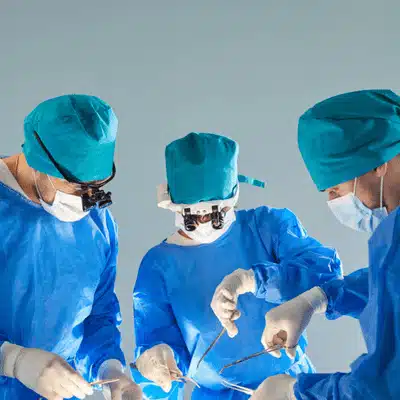
Getting expert care makes all the difference. A shoulder specialist can diagnose your tear with an exam and MRI. They'll guide you through your options.
Most surgeons start with PT first. They monitor your progress over weeks or months. If you improve enough, you can skip surgery. If not, you can move forward knowing you tried the conservative path.
Look for a provider who:
Most patients complete therapy in 2 to 3 months with consistent effort. You'll notice gradual improvements in pain and strength during this time.
Yes, over 50% of patients heal with physical therapy alone according to OrthoInfo. Strengthening surrounding muscles can compensate for the tear and restore function.
See a specialist if you have severe pain lasting over 6 months, large tears, sudden weakness, or high shoulder demands. Athletes and workers with overhead activities may need earlier evaluation.
Without treatment, tears can enlarge over 5 to 10 years. Muscles may shrink and weaken, making future repair harder according to AAOS guidelines.
If physical therapy doesn't improve your symptoms after several months, surgery may help. A surgeon can assess tear size and tissue quality to recommend the best option.
Physical therapy succeeds in over 70% of full-thickness tears per MOON Shoulder Group research. Surgery also shows high success rates for appropriate candidates with improved long-term strength.
Whether you choose physical therapy or surgery, expert guidance is essential. The right treatment depends on your tear size, symptoms, activity level, and goals. Many patients start with PT and avoid surgery completely. Others benefit from surgical repair to restore full function.
Ready to Take the Next Step?
Contact our shoulder specialists today for a complete evaluation. We'll assess your rotator cuff tear, explain all rotator cuff tear treatment Dallas options, and create a plan tailored to your needs. Get back to the activities you love, pain-free.
Call us now to schedule your consultation with a leading Dallas orthopedic shoulder surgeon for rotator cuff injuries.