(214) 420-7611


Shoulder pain doctors are among the most in-demand in the healthcare industry because elbow and shoulder pain are among the most common pains and aches people experience. Since the elbow and shoulder joints are also some of the most often used in the body, injuries and pain in these joints can significantly impact your daily life.
But, many people aren't sure what doctor to visit for these types of pain or even the time to see a doctor.
Shoulder pain doctors or orthopedic doctors are experts who treat elbow and shoulder pain. An orthopedic specialist could examine your elbow or shoulder and order imaging studies like ultrasounds, MRIs, or X-rays. They will identify what kind of pain you are experiencing and what treatments will help.

Below are three of the key reasons why people see an orthopedic doctor or shoulder pain doctor for shoulder pain:
This condition is a common source of pain and reduced function in the shoulder. The risk of experiencing a torn rotator cuff increases with age because the aging process could cause the muscles and tendons that comprise the rotator cuff to weaken and degenerate.
Rotator cuff tears could result from sudden shoulder injuries or overuse injuries, like playing tennis, playing golf, constant typing at work, or suffering a fall.
Arthritis, particularly osteoarthritis, the most prevalent kind of arthritis and causes pain, stiffness, and inflammation in the joint, can cause shoulder pain. Because arthritis is caused by bone-on-bone rubbing owing to a lack of protecting cartilage in the shoulder, aging, regular wear, and tear, or a shoulder injury might raise your risk of acquiring it.
Irritated, inflamed, or degenerative tendons in the shoulder can cause this painful condition. Repetitive overhead movements or anatomical anomalies in the shoulder are the most common causes of shoulder impingement syndrome.
So, how can you know if you need to consult a shoulder pain doctor? Here are a few instances that necessitate a trip to the doctor:
You might notice a popping sound in the shoulder after a hard fall, which is accompanied by severe pain and shoulder weakness. This could be a rotator cuff tear or an AC joint separation. If you hear a popping sound after falling, you should contact a shoulder pain doctor immediately before the injury worsens.
A torn or ruptured rotator cuff can cause shoulder weakness following an accident. A rapid force being applied to the shoulder frequently causes this. Large rotator cuff tears frequently result in arm weakness, especially while elevating your arm. If you're suffering from this, it's time to consult a shoulder pain doctor.
If you lose stability in your shoulder after being hurt, it is most certainly dislocated. A dislocated shoulder may return to its original position after getting up from the floor in some instances. Some won't, in which case you'll need to consult an orthopedic or shoulder pain doctor.

After a quick fall, you may detect a lump on the top area of your shoulder. A lump is always accompanied by extreme pain, indicating that your AC joint has been injured or that your shoulder has separated. Although most occurrences of AC separation do not necessitate surgical treatments, a doctor's examination is required to determine which form of AC separation you have. You'll know if your shoulder injury is significant or if it only needs time to heal once the doctor decides which form of AC separation you have.
The impact of a quick fall onto your shoulder is shifted to the clavicle (collarbone), which might fracture. After the accident, you may notice a bulge above your collarbone and severe pain in that area. It's critical to have a doctor assess the sort of fracture you have to receive the care you need before the damage worsens.
When left untreated, most shoulder injuries will worsen over time. If you're suffering any (or all) of the five symptoms listed above, you should contact an orthopedic or shoulder pain doctor at once.
The activities we engage in might sometimes result in muscular discomfort or body aches. Maybe you increased the intensity of your regular workout. Perhaps you've recently hauled some large boxes around the home or been shopping with a heavy bag.
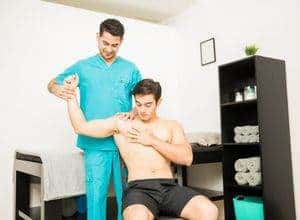
If your shoulder ache started in the last day or two, you might have strained the muscles. Whether this is the case, you should wait a few days to see if it disappears on its own. However, if the discomfort persists and does not go away after a few days, you should contact an orthopedic doctor.
Shoulder discomfort that persists might indicate an injury or underlying illness that requires medical attention.
Pain is a signal to pay attention to since it shows something is wrong. While it's natural to experience aches and pains now and then, chronic or severe discomfort indicates that something is seriously wrong and requires medical attention.
If you have shoulder discomfort after an injury or a fall at work, while participating in sport, riding in a car, or during exercise, you should consult an orthopedic or shoulder pain doctor as soon as possible.
Shoulder pain following an accident is frequently indicative of interior damage. It's possible that it's only inflammation that'll go away within a few days. Still, neglecting injuries after an accident might exacerbate them, necessitating more intensive treatment and a longer recovery period.
If your shoulder discomfort resulted from an accident, you need urgent care and you should consult a doctor immediately, regardless of how minor or severe the pain is.
If you're having shoulder discomfort for whatever reason, visiting an orthopedic doctor can help you cure the underlying problem and get back to living your life. Board-certified orthopedic and shoulder pain doctors at Sunnyvale Sports Medicine and Orthopedic Center are experts in detecting and treating shoulder disorders and injuries that cause discomfort.
Reach out to us today to schedule an appointment with our excellent shoulder pain doctors.
Shoulder pain is often treated non-operatively with anti-inflammatory drugs and physical therapy; cortisone shots can also help relieve pain and discomfort. Surgery may be needed if nonoperative therapy fails to alleviate pain and discomfort.
An orthopedic doctor that's an expert in shoulder injuries and conditions is known as a shoulder pain specialist. Patients with a broken clavicle (collarbone) or shoulder blade, a dislocation, or a rotator cuff rupture are frequently treated by these specialty-trained specialists.
Your shoulder pain doctor may be able to diagnose and treat your shoulder discomfort. A referral to an orthopedic surgeon might be necessary, as they may conduct more testing to determine the cause of your shoulder pain.
Many people go to joint replacement surgeons since this type of surgery can improve joint mobility and relieve chronic joint pain when other non-surgical procedures are unsuccessful. If you are dealing with a limited range of motion and persistent pain where bones meet, joint replacement surgery may be worth considering to regain your overall quality of life and return to doing the things you enjoy pain-free.
"End-stage" or severe arthritis can be due to various problems, including osteoarthritis, rheumatoid arthritis, and other inflammatory joint issues, previous fractures and joint injuries, joint infections, and other rare conditions like osteonecrosis (also known as avascular necrosis). These problems damage the joints' different structures and eventually result in dysfunctional joints and significant irreversible damage.
A rheumatologist specializing in handling these disorders may best deal with certain arthritis types, such as rheumatoid arthritis and other inflammatory arthritis.

More common joint problems such as osteoarthritis are typically treated by a rheumatologist, orthopedic surgeon, or primary care doctor.
When medical treatment for arthritis recommended by the doctor gets less effective, joint replacement surgery might be another option. These joint replacement surgeons are better qualified to know if joint replacement therapy is a suitable treatment choice for you.
The meaning of "appropriate" for total joint replacement surgery shifts continuously. In general, there's no set upper age limit for joint replacement patients. Instead, the decision is best made depending on your fitness for surgery and general medical condition and how your arthritis influences your quality of life.

While few individuals are in perfect health, most undergoing joint replacement must be healthy enough or medically "tuned up" to safely conduct their surgery.
There are various joint surgeries available, and based on your symptoms and the affected joint, your doctor will determine the best surgery type for you. Your joint replacement surgeon could discuss all the options with you. The most common joint replacement surgeries are:
Total joint replacement (an arthroplasty) is a treatment involving removing a part or all of the damaged joint and having it replaced with artificial implants. Joint replacement surgery could improve mobility and offer significant pain relief. It may be needed due to an injury or for advanced arthritis. Knee, shoulder, and hip replacements are common types of joint replacement surgery. Joint replacement surgery could usually be done as a minimally invasive treatment, which utilizes smaller incisions, has shorter hospital stays, less pain for the replaced joint, and has a shorter recovery period than traditional joint replacement treatment.
Anterior Hip Replacement – An anterior hip replacement is another way to implant a hip replacement using minimally invasive techniques. This enables muscle-sparing rather than muscle splitting and enables faster recovery and fewer restrictions on activity after the treatment.
Partial Hip Replacement – A partial hip replacement (a hemiarthroplasty) involves replacing only the femoral head (the ball) and not the acetabulum (socket). This treatment is used more in older patients experiencing a hip fracture.
Partial Knee Replacement – The knee joint is distributed into three compartments (the medial, lateral, and patellofemoral compartments). If only one or two knee compartments are damaged, a knee joint replacement surgeon might recommend a partial knee replacement instead of total knee arthroplasty.
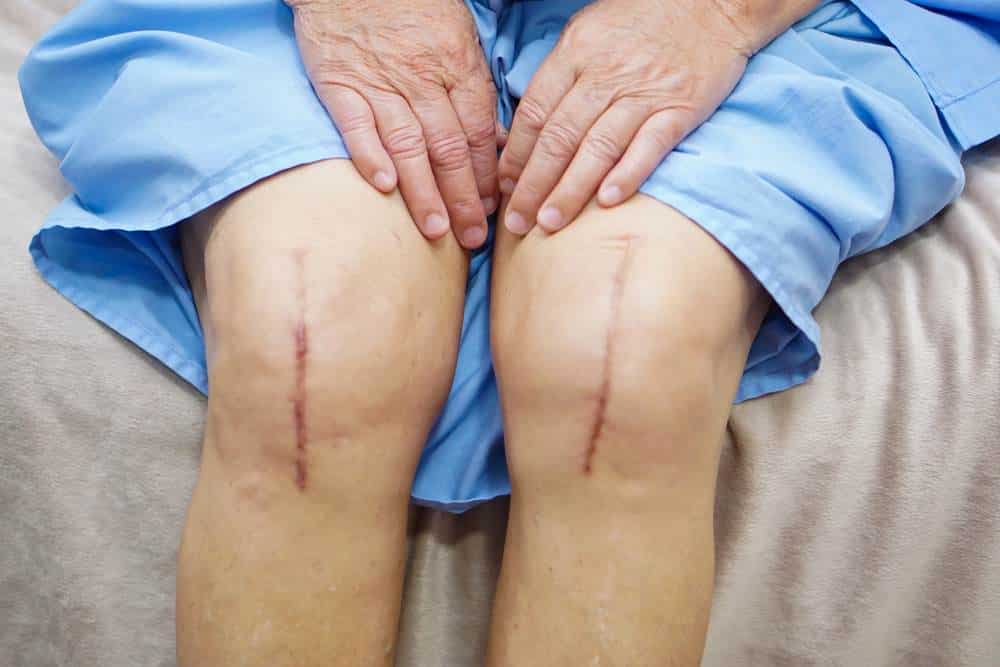
A partial knee replacement treatment, unlike a total knee replacement surgery, only involves removing damaged tissue, resurfacing existing regions, and implanting artificial parts into the affected knee slot(s).
Reverse Shoulder Replacement – The ball's position and socket in the joint are switched over and replaced using artificial parts. A prosthetic "ball" is surgically connected at the shoulder blade, and an artificial "socket" is then constructed at the top of your upper arm bone. Reversing the ball and socket's location lets the shoulder bypass the damaged tendons and muscles and use the muscles at the top of your shoulder and arm instead. This stabilizes your shoulder joint and restores pain-free function and motion.
Joint preservation helps restore normal and pain-free function to the hip, knee, and shoulder joint. It's achieved through different treatment methods, including activity modifications, physical therapy, medications, injections, and sometimes surgery. Joint preservation procedures are personalized for each patient, considering their age, activity level, expectations, and degree of joint dysfunction.
For most patients, arthritis or other joint problems often treated with joint replacement surgery could be diagnosed using simple x-rays. Other causes for knee or hip pain should be considered because referred back pain can be easily confused for pain attained with arthritis of the hip or knee, and pain from an arthritic hip could occasionally be referred to the knee.
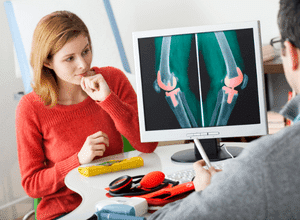
Inflammation of the soft tissue structures surrounding the joint also can cause complications such as bursitis or tendonitis, which can be confused with the pain attained with arthritis. A careful examination by the orthopedic doctor and routine x-rays usually determine the actual cause of your pain. Depending on the patient, a second opinion may also be sought from joint replacement surgeons.
After a relatively short recovery time after surgery, patients getting joint replacement surgery often return to a high activity level and experience less pain. Speed of recovery after surgery depends on your level of activity before surgery, general health and overall physical fitness, duration and degree of physical impairment prior to surgery, the type of surgery you had, and your motivation and expectations. Physical therapy and occupational therapy after joint replacement are very important for overall health and long-term outcomes.

Following surgery, long-term physical limitations are nearly always due to other orthopedic or rheumatologic issues (chronic low back pain, significant arthritis in other joints) or major health issues (heart, breathing, other chronic illnesses) instead of any joint replacement limitations. Those undergoing knee and hip replacements can return to low-impact activities and specific exercises, like swimming, water exercise, biking, walking, low-impact aerobics, golf, and doubles tennis.
Though patients often obtain a functional range of motion after having their new joint, sometimes the motion of a total hip replacement limits could be exceeded, leading to dislocation out of its normal position. Patient education and an understanding of the limitations of total hip replacement, particularly regarding the potential for range and dislocation of motion restrictions, could help minimize the occurrence of this complication. Patients should be urged to discuss the best option, specific limitations, precautions, and activity restrictions following total joint replacement with their surgeons.