(214) 420-7611


Dr. John Hibbitts and Dr. Reed Bartz
Orthopedic Specialties
Serving Sunnyvale & East Dallas, Texas

Ankle pain can stem from many sources — sprains, acute injuries, or ankle arthritis. When it lingers, you may need an ankle surgery specialist in Sunnyvale, TX, or an ankle surgeon in East Dallas. An orthopedic surgeon with dedicated foot-and-ankle training is the right person to assess your condition and recommend the best path forward.
At Sunnyvale Sports Medicine and Orthopedic Center, our goal is simple: resolve your joint pain, restore your range of motion, and return you to the activities and lifestyle you love. Dr. John Hibbitts evaluates each ankle condition individually and determines whether surgery is the right choice — from fracture repair to ligament reconstruction, cartilage repair, or a non-surgical treatment plan tailored to your needs.
Sunnyvale Sports Medicine and Orthopedic Center is a dual-practitioner practice, with Dr. Hibbitts and Dr. Reed Bartz caring for patients across Sunnyvale, East Dallas, and the surrounding communities.
Your Ankle Surgeon

Texas Board-Certified Orthopedic Surgeon
Dr. Hibbitts is a Texas board-certified orthopedic surgeon who has worked to fix ankle instability since 1994. He specializes in the diagnosis, treatment, and restoration of sports injuries and chronic joint conditions in patients of all ages — with particular focus on the shoulder, hip, knee, and ankle.
With more than 20 years of experience, he is recognized as a leading ankle surgeon serving Sunnyvale and East Dallas. He performs ankle stabilization, fracture repair (ORIF), ligament reconstruction and tightening, and cartilage repair, and founded the Sunnyvale Sports Medicine and Orthopedic Center in 2021.
Sunnyvale Sports Medicine and Orthopedic Center is a dual-practitioner practice. Ankle surgery is led by Dr. Hibbitts, and he is joined at the practice by Dr. Reed Bartz — giving patients across Sunnyvale and East Dallas trusted, board-certified orthopedic care close to home.

Our surgeons and the Sunnyvale Sports Medicine and Orthopedic Center proudly extend high-quality, personalized care to the Sunnyvale and greater East Dallas communities.
A trusted ankle surgeon near East Dallas, based in Sunnyvale, Texas. Visit our convenient location near I-635 and Hwy 80.
"Ankle stabilization surgery" covers a range of procedures designed to repair and restore damaged ankle bones and tissues. The right approach depends on the specific structures involved — from broken bones to ligament damage — and on which part of your ankle has sustained the injury.

When a bone in the ankle takes a blow or excessive pressure, its structure can fail — causing a break or fracture near the joint. Beyond being painful, many breaks will not fully heal without surgery to suture or reattach the damaged structures.
The best way to diagnose an ankle fracture is by examining the joint on an X-ray or other imaging test. Our surgeons may order these tests to determine the type and placement of your fracture. With more than 20 years of experience in ankle fracture repair, Dr. Hibbitts can determine the right surgery for your broken ankle.
Surgery allows the surgeon to reposition the bones or remove small fragments that could impair healing. Most ankle fracture repair uses an open reduction and internal fixation (ORIF) procedure: the surgeon makes an incision to examine the fracture, repositions the damaged bones, and secures them with metal plates or screws. This stabilizes the joint so the bones can re-fuse and heal completely.
Post-surgery ankle stabilization may require a cast or boot.
Ankle ligament surgery is a procedure that repairs, tightens, or reconstructs the ligaments that stabilize the ankle so they can hold the joint in place correctly again. It is used to treat chronic ankle instability caused by ligaments that have been torn, overstretched, or worn down. Ligaments can be damaged by a single injury, such as overuse, twisting, or hyperextension, or gradually over time through repeated minor sprains. A knowledgeable ankle ligament surgeon determines which specific procedure is right for your ankle.

Ankle ligament repair surgery — sometimes called ankle reconstruction surgery or ankle ligament tightening — can involve any ligament in the ankle.
If your ankle frequently rolls to the side, or if extending your foot causes pain or a sensation of pressure, your ligaments may be damaged. When these stabilizing tissues are overstretched or torn, they no longer hold the foot bones in place correctly, and a ligament tightening procedure may correct it.
The surgeon makes small incisions to reattach and tighten the ligaments. This can include removing damaged tissue, drilling small holes in the bone, and using donor ligament tissue to graft and suture damaged ligaments in place. Most ankle ligament repair can be performed as an outpatient procedure.
The success rate for ankle ligament surgery is very high — as many as 95% of patients report full recovery. For the best chance of success after ankle ligament repair, proper aftercare is essential.
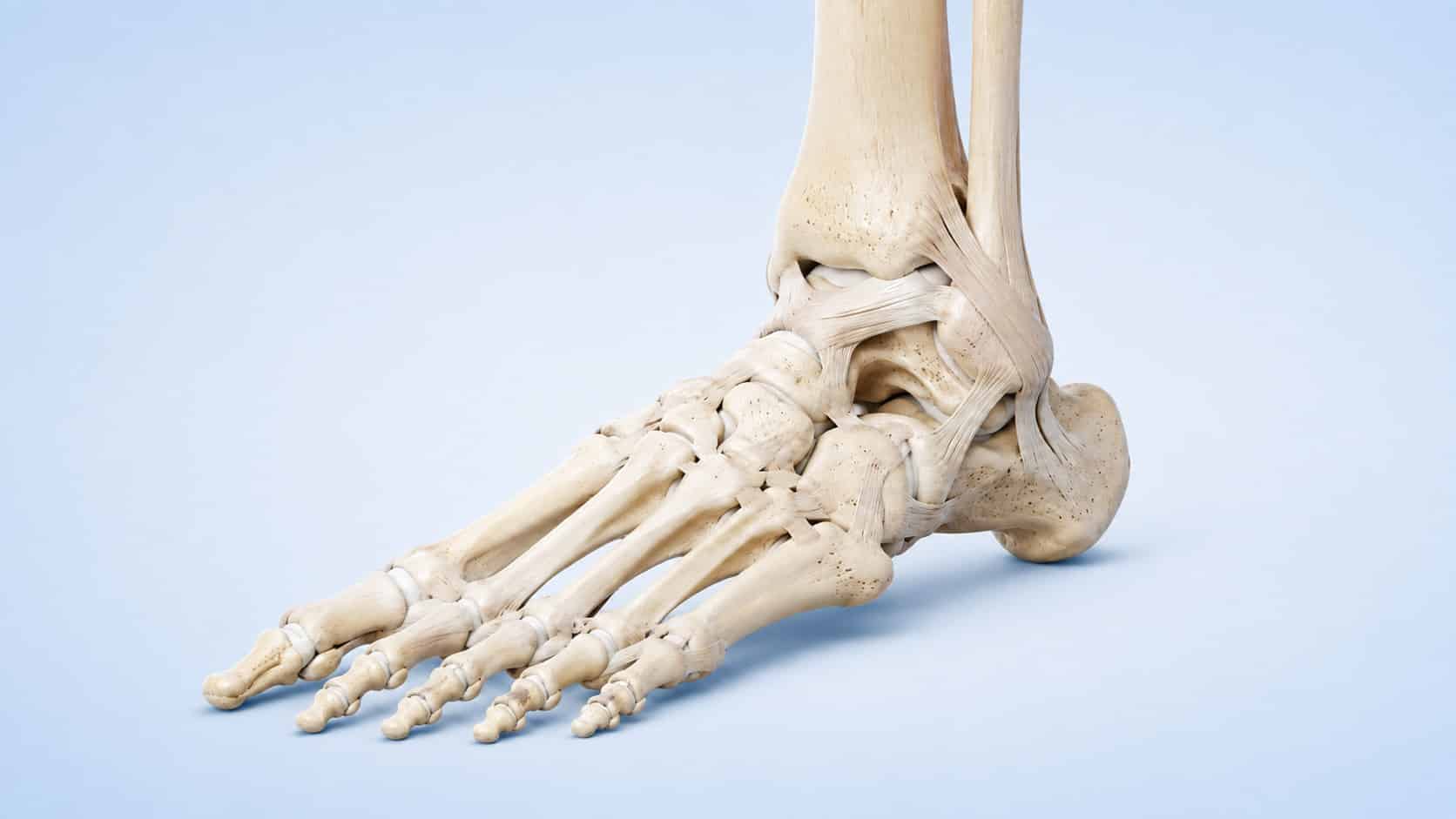
Restoring the Ankle Joint's Cushioning
When articular cartilage wears down or is damaged, the ankle joint loses the smooth cushioning it needs for pain-free movement. Cartilage repair procedures aim to restore that surface and protect the joint. Dr. Hibbitts performs the following cartilage repair procedures:
1
A minimally invasive arthroscopic procedure, highly successful for small osteochondral injuries. Using small incisions and a specialized surgical camera, Dr. Hibbitts removes damaged cartilage and drills small holes into the bone to encourage the formation of new fibrocartilage.
2
Using donor tissue from the patient's own body or cadaver tissue, Dr. Hibbitts repairs and replaces damaged cartilage to restore function to the ankle joint.
Common questions about ankle surgery in Sunnyvale, TX and East Dallas, answered by board-certified orthopedic surgeons.
For most patients, ankle stabilization surgery provides long-lasting, often permanent relief. Studies show excellent long-term outcomes: one study that followed patients more than ten years after ankle ligament reconstruction found results remained excellent, even for amateur and professional athletes, with full ankle use, restored mobility, and imaging that showed complete healing. In studies of ankle cartilage repair, more than 85% of patients returned to a pain-free life and resumed normal activities. Long-term durability depends on the type of procedure, the severity of the original injury, and following your surgeon's aftercare plan.
Most ankle stabilization procedures take about one hour to perform. More complex cases take longer: an extensive ankle cartilage repair that requires a transplant, or a complicated ankle fracture repair, may take three to four hours depending on the severity of the injury. Your surgeon can give you a more precise estimate once your specific procedure is planned.
Serious complications from ankle surgery are uncommon, and most patients experience few or none. As with any surgery, some risks do exist:
Follow our surgeons' recommendations to minimize post-surgical complications.
Most patients recover from ankle surgery over about three to four months, though a full return to activity can take longer depending on the procedure. In the first four to six weeks you may need crutches to avoid overstressing the healing ankle, followed by another four to six weeks in a stabilizing boot. Even after returning to a regular shoe, an ankle brace may be recommended for continued support. Around four weeks into healing, you can begin physical therapy exercises customized to your needs, which promote full healing in your foot, leg, and ankle joint.