(214) 420-7611



Knee pain is one of the most common reasons people visit a doctor. It affects people of all ages, not just athletes or older adults. In fact, over 500 million people worldwide have osteoarthritis, with the knee being the most commonly affected joint (Global Burden of Disease Study, 2019). If you've been searching for a knee joint pain doctor near me, this guide will help you know exactly when to go, what to expect, and how knee specialists can get you back on your feet.
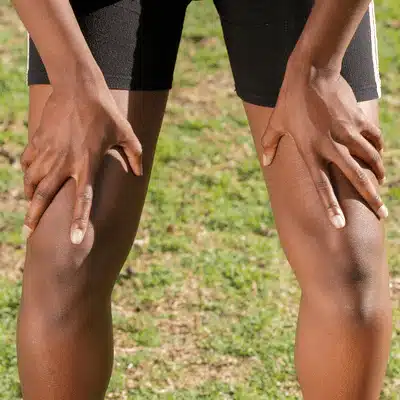
Knee pain can develop gradually or appear suddenly. You can receive the proper care more quickly if you are aware of the cause.
Repetitive motion can cause knee pain in cyclists, runners, and even desk workers. Two of the most prevalent overuse injuries are tendinitis and patellofemoral pain syndrome.
Ligaments and cartilage can be torn by an abrupt twist, fall, or impact. Although they can happen to anyone, meniscus injuries and ACL tears are common in sports.
The most common cause of persistent knee pain in adults over 40 is osteoarthritis. The lifetime risk is approximately 45%, and 14 million Americans suffer from symptomatic knee osteoarthritis (Journal of Pain, 2024). Gout and rheumatoid arthritis can also result in severe knee pain and swelling.
Some knee pain goes away with rest and ice. Other symptoms need prompt attention from a knee joint pain doctor near me. Don't wait if you notice any of these:
If your knee swells quickly or the pain is intense after a fall or twist, see a knee joint pain doctor right away. This may signal a torn ligament, fracture, or serious sprain.
A knee that buckles or collapses suggests instability. Walking on an unstable knee can make the injury worse. Knee specialists can identify and treat the root cause before further damage occurs.
A loud pop at the time of injury is a red flag. The American Academy of Orthopaedic Surgeons advises seeking care immediately if you hear a popping sound along with severe pain or swelling.
These symptoms together may point to a joint infection or severe inflammation. An infected knee joint needs fast medical treatment. A joint doctor can diagnose the issue quickly and start the right treatment.
If knee pain lasts more than two to three weeks or keeps getting worse despite home care, it's time to see an orthopedic knee specialist near me. Ongoing pain can mean an underlying condition that won't heal on its own.
Quick rule of thumb: If knee pain is stopping you from daily tasks or sleep, call a knee joint pain doctor.

A knee joint pain doctor near me is typically an orthopedic doctor, also called a joint doctor, who focuses on bones, joints, and soft tissues. Here's what to expect:
Knee specialists use physical exams, X-rays, and MRI scans to find the exact cause of your pain. Getting the right diagnosis means getting the right treatment.
Most knee conditions are treated without surgery first. Common options include:
If nonsurgical options aren't enough, an orthopedic knee specialist near me can perform minimally invasive procedures or, when necessary, knee replacement surgery. Many patients are surprised by how much can be done before surgery is considered.
Knee specialists also help protect your knees going forward. They provide guidance on exercise, weight management, and activity changes to reduce the risk of future injury.
See a doctor if your knee pain is severe, follows an injury, or hasn't improved after two to three weeks of home care. Also seek help if pain limits your daily activities or you notice swelling, warmth, or instability.
A joint doctor will review your symptoms, examine your knee for swelling, range of motion, and stability, and may order imaging like an X-ray or MRI. The goal is to pinpoint the cause before creating a treatment plan.
Yes. Most arthritis cases are managed with physical therapy, medications, bracing, and injections. Surgery is typically considered only after these options have been tried without enough relief.
Look for a board-certified orthopedic surgeon or sports medicine doctor who specializes in knee conditions. Check their experience with your specific issue, whether that's arthritis, a sports injury, or chronic pain.
It depends on the cause. Low-impact activities like swimming or cycling are often fine, but high-impact exercises may make things worse. An orthopedic knee specialist near me can tell you which movements are safe for your condition.
Recovery time depends on the injury. Cleveland Clinic says mild knee sprains may heal in a few weeks, while severe ligament tears or surgery can take several months. Your doctor can give you a clearer timeline based on your diagnosis and treatment plan.
Knee pain is common, but some signs need quick medical care. Mayo Clinic says sudden swelling, trouble bearing weight, deformity, or severe pain should not be ignored. Early care gives you the best chance to recover well and get back to normal activity.
Knee pain should not keep you from work, exercise, or daily life. At Sunnyvale Sports Medicine & Orthopedic Center, your care is led by Texas board-certified orthopedic surgeon and sports medicine specialist Dr. John M. Hibbitts, who has helped patients recover from pain and injury for more than 25 years. With advanced experience in knee care, joint treatment, and personalized orthopedic planning, the team focuses on finding the cause of your pain and building a treatment plan that fits your goals, lifestyle, and level of activity.
If your knee pain is not improving, or if you are dealing with swelling, instability, or pain after an injury, schedule an evaluation with Sunnyvale Sports Medicine & Orthopedic Center today. Getting checked now can help you avoid more damage and get back to comfortable movement sooner.