(214) 420-7611



Adults seek medical attention most frequently due to knee pain. With over 365 million cases recorded globally, the knee is the most often afflicted joint in osteoarthritis, according to the World Health Organization. But not every pain requires immediate medical attention. Knowing when to consult a knee specialist is crucial. This tutorial discusses seven obvious indicators that your knee discomfort needs to be evaluated by a professional, and when it just cannot wait.
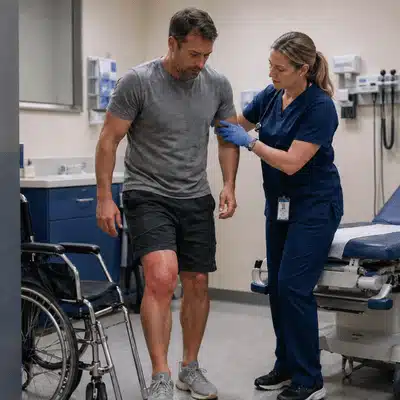
Some symptoms are emergencies. Go to urgent care or the ER the same day if:
These signs may point to infection, fracture, or serious injury. Do not wait for a routine appointment.
If you have been searching for a knee joint pain doctor near me, here are the signs that confirm it's time to book that visit.
Pain that sticks around and affects sleep, stairs, or daily tasks is not normal. Persistent symptoms that limit your life are a key reason knee specialist recommend evaluation. Diagnosed arthritis affects nearly 19% of U.S. adults, per CDC data.
Recurring swelling is a signal that something is wrong inside the joint. It can point to a meniscal tear, gout, or inflammatory arthritis. A joint specialist will assess the cause before ordering imaging.
When your knee is truly locked, you are unable to fully bend or straighten it. The occasional click is not the same as this. A misplaced meniscal rupture or loose cartilage is frequently indicated by a locked knee. If this occurs, consult knee specialists very soon.
Instability is more than just uncomfortable. It increases your risk of falling. Frequent buckling may indicate severe arthritis-related weakening or ligament damage, such as an ACL tear. To rule out a structural problem, this requires a thorough knee assessment.
This is a same-day issue. You may have a fracture, tendon rupture, or dislocation if you twisted your knee and are now unable to bear weight on it. Don't wait until next week to get evaluated.
A hot, painful, swollen knee with fever may be septic arthritis, a joint infection that requires emergency care. Fever is not always present, so do not use that alone as your guide. If the joint feels warm and very painful with movement, act fast.
Inflammatory arthritis or, in rare cases, bone tumors may be indicated by stiffness that lasts more than thirty minutes in the morning, discomfort that wakes you up at night, or swelling in several joints. Patients with suspected inflammatory arthritis should contact a doctor within six weeks of the condition's onset, according to the European League Against Rheumatism. A joint expert can assist you in determining the best course of action.
Not sure if your symptoms qualify? Our knee specialists at Sunnyvale Orthopedics can help you find answers. Book a knee evaluation today.
Your first visit will not start with an MRI. A thorough knee examination usually includes:
The American College of Radiology recommends starting with X-rays for chronic knee pain, not MRI. About 28% of knee MRIs in one large study were ordered without prior X-rays. Your specialist will make sure testing is targeted and appropriate.

Seeing knee specialists does not mean you are headed straight for surgery. Most people start with:
The goal is to find what works for your specific knee, not jump to the most aggressive option.
No. Most knee specialists begin with a physical exam and X-rays. MRI is ordered when the exam or X-rays suggest a specific problem that needs further imaging.
If your knee is hot, red, swollen, or you are unable to walk due to an injury, visit urgent care. If your everyday activities are hindered by discomfort that has persisted for weeks, schedule a routine checkup.
If you have true locking, your knee is trapped and unable to fully straighten. This often indicates a meniscal tear or loose cartilage; a joint specialist should be consulted promptly.
Indeed. Both fluid accumulation and muscle weakening that results in buckling can be brought on by osteoarthritis. A thorough examination of the knee will help determine the cause and guide treatment.
Surgery is typically discussed only after non-surgical options like exercise, weight management, and injections have not provided enough relief. Your specialist will walk you through the options.
Do not wait more than 6 weeks if pain is affecting your daily life. See someone sooner if symptoms are getting worse, not better.
Knee pain that limits your life is worth taking seriously. Whether it is pain that has lasted for weeks, a knee that buckles, or swelling that will not go away, knee specialists can help you get clear answers and the right plan. If you have been looking for a knee joint pain doctor near me, Sunnyvale Orthopedics is here to help.
At Sunnyvale Orthopedics, patients are treated by Dr. John M. Hibbitts, an orthopedic surgeon and sports medicine specialist who has worked with knee injury patients since 1994. He brings extensive experience in knee realignment procedures, meniscus and cartilage transplants, and knee reconstruction and replacement surgery, giving patients a more informed path from diagnosis to treatment. When knee pain starts limiting your movement, having that level of experience behind your care can make the next steps clearer and more effective.
Do not keep pushing through knee pain that is getting worse, causing swelling, or making your knee buckle. Schedule your evaluation with Sunnyvale Orthopedics today to get a clear diagnosis, targeted treatment plan, and experienced specialist care before a manageable problem turns into a longer recovery.