(214) 420-7611


Sometimes you need to learn how serious your neglected shoulder injury can get before you need professional help. How would I know when to see a doctor for my shoulder injury? What doctor do you see for shoulder pain?
Some shoulder pain can be ignored and will get better on its own over some time. It can work for most people but might be bad for serious shoulder and elbow injuries.
Shoulder injuries are prevalent, particularly in athletes who use repetitive motions in their sport, like tennis players, swimmers, pitchers, and weightlifters. While common in athletes, injuries can happen during day-to-day activities too.

A countless number of individuals live with shoulder pain every day. If you're one of those people experiencing weakness or have difficulty lifting above shoulder level, here is everything you need to know.
How can you tell if you need to be seen by a shoulder pain doctor? Here are the top signs that should be seen by a shoulder pain doctor.
After an intense fall, there might be a popping sound in your shoulder, followed by severe pain or weakness. This may be a tear in your rotator cuff or an AC joint separation. Once you hear the popping sound after a fall, you must see a doctor immediately before your injury worsens.
Shoulder weakness after getting injured may be due to a ruptured or torn rotator cuff. This is usually caused by a sudden force being exerted on the shoulder. Large tears on the rotator cuff usually cause weakness, especially when lifting your arm. If you are experiencing this, it's time for you to see a doctor.
If you lack stability in your shoulder after getting injured, it means that your shoulder is most likely dislocated. Sometimes, a dislocated shoulder will return to its place immediately after getting up from the ground. Some will not – this is when you need to be seen by an orthopedic doctor.
You may notice a bump on the top part of your shoulder after a sudden fall. A bump always comes with severe pain, indicating an injury in your AC joint or a shoulder separation. Most AC separation cases do not require surgery, but a doctor's evaluation is necessary to assess your AC separation type. Once the doctor determines which type of AC separation you have, you will know if your shoulder injury is serious or needs time to recover.

A sudden fall onto your shoulder transmits the force to your clavicle (collarbone), which can make it fractured. After the injury, you may notice a bump over your clavicle and severe pain in that area. It is important to have a doctor evaluate your type of fracture so you can receive proper care before the injury worsens.
Most shoulder injuries can worsen when left untreated. That is why it is important to immediately see an
Shoulder tendinitis typically stems from a repetitive motion. Occasionally, a more unexpected injury can cause the problem. It's common in athletes, especially those who may inadvertently use the incorrect form, putting additional stress on the tendons and tissues in the shoulder.
Shoulder tendinitis treatment focuses on regaining mobility and reducing the discomfort caused by swelling and pain. Rest and ice on the shoulder is an amazing start — it will help lessen the swelling. Physical therapy can help ease the symptoms and regain strength in the shoulder. Surgery is often only needed if the tendon has been partially or wholly torn.
Shoulder bursitis occurs when the small fluid-filled sacs (bursae) that protect and cushion bones, tendons, and muscles become inflamed. The shoulder is among the most common locations for bursitis, often in joints that perform repetitive motions.
Bursitis can lead to stiffness and swelling in addition to general pain in the shoulder. It might be an inconvenience when you apply or move pressure to the shoulder. Generally, bursitis will subside due to rest and extra care to protect the joint and limit use. If pain persists, you should see a doctor to develop a practical course of treatment. Your doctor might suggest medication to reduce inflammation, therapy to strengthen your muscles in the shoulder, injections to lessen more severe inflammation, or surgery. Surgery is seldom needed in the treatment of bursitis.
Rotator cuff tears are common, particularly in people who are middle-aged or conduct repetitive overhead motions at work or while playing a sport. Tears can occur over time due to wear and tear or a sudden accident or injury.

Most individuals describe the pain from a rotator cuff tear as a dull pain that worsens once you sleep on the affected shoulder.
The tear can make it hard to reach behind your back to do everyday tasks like brushing your hair. It might also make your arm feel weak. Rotator cuff tears are common in people:
If you think you have a rotator cuff tear or other severe shoulder injuries, it's advised that you book an appointment to see an orthopedic doctor. There are many options for treatment, but they're typically more effective if the injury is diagnosed early.
Your doctor might recommend physical therapy to improve the strength of your shoulder. Injections are an alternative to help reduce the pain, although it's crucial to remember that even though the pain might be gone, the underlying issue isn't. Surgery can help repair your tendon and, if necessary, replace your shoulder joint.
Shoulder instability happens once the (upper arm bone) humerus is forced out of your shoulder socket. Sometimes this results from overuse, while in some cases result from sudden injury or accident. Unfortunately, once a shoulder has dislocated, it is likely to occur again — when the shoulder repeatedly dislocates, it is known as chronic shoulder instability.
Physical therapy and modifications to the activities can help minimize the symptoms. Moreover, physical therapy can help strengthen the shoulder to improve stability. Anti-inflammatory medications and injections can also help to relieve the swelling and pain. Surgery is sometimes needed to repair damaged ligaments, letting them hold the shoulder in place again.
The labrum keeps the humerus (upper arm) ball joint in place — a rubber tissue attached to your shoulder socket to help keep your joint stable. A superior labrum, anterior to posterior lesion (SLAP), is a tear above the middle of your shoulder socket. Tears to the labrum can happen from an unexpected injury or can wear and tear as we get old.

Injuries resulting in a labrum tear include falling on the arm or shoulder, a direct hit to your shoulder, reaching overhead rapidly, or an unexpected pull. Some athletes, such as weightlifters or throwing athletes, can see these injuries due to a repetitive motion that wears down your labrum.
Physical therapy might help strengthen the muscles in your rotator cuff, while anti-inflammatory medications can help alleviate the symptoms. Surgery may be necessary if there's no improvement with more conservative treatments. For a tear in the labrum, surgery is minimally invasive. While therapy is always necessary after surgery to regain your range of motion and strength, there's minimal downtime.
If you are in pain from a serious shoulder injury, orthopedic doctors are your best bet. These doctors can help examine your injury and provide the best treatment options that can help you get back to your 100%.
If you need reliable orthopedic doctors for your shoulder pain, please reach out to us today!
Snapping hip syndrome, also called a dancer's hip, is a condition in which you hear or feel a snapping sound or feeling in your hip when you walk, run, get up from a chair, or move your leg around. Most people don't think of it as anything more than an annoyance; the only sign is the sound or feeling of popping. But people with snapping hip syndrome may also feel discomfort and fatigue that affects their ability to do their job.

This article will cover effective treatment for snapping hip syndrome to help ease the affected persons.
Most of the time, snapping is caused when a muscle or tendon moves over a bone in the hip. Less often, a snapping sound is caused by a tear in the cartilage, pieces of broken cartilage or bone in the joint space, or a free piece of cartilage. This can hurt and make it hard to do things.
External snapping hip syndrome happens when the iliotibial band slips along the outside over the top of the femur, called the greater trochanter. This is what most SHS look like.
People with this type of SHS may snap when they run or go up or down stairs. They may also feel pain and soreness on the outside of the hip. Sleeping on this hip often hurts, and the pain may get worse over time.
This type of snapping hip syndrome happens when a muscle or tendon in the hip slides over the front of the hip joint. It's usually caused by your iliopsoas tendon moving over your pelvic bone. This tendon connects your inner hip muscles to your thigh bone. This disease can also happen when your quadriceps muscle glides over the ball of the ball-and-socket joint in your hip.
The second most typical manifestation of this illness is internal SHS. Internal snapping hip patients frequently suffer a slow onset of indications that get worse with time. They can feel pain close to their groin when they run and hear popping.
Intra-articular SHS differs from internal and external SHS in that it is not caused by a muscle or tendon. Instead, this disease can be caused by an injury or problem with the hip joint.
Some of the most common reasons for intra-articular snapping hip syndrome are:
Intra-articular SHS can happen quickly because of an injury or stress.
At first, your doctor may suggest that you rest and change how you do things. Then, they may suggest more safe treatments. There are many ways to treat snapping hip, such as:
People with snapping hip syndrome should try to avoid doing things that make their hips feel like they are snapping, popping, or clicking. Resting stops joint pain and lets the hurt tendon, muscle, or bursa heal. If walking causes the hip to snap inward, the individual may be told to walk with the leg that snaps out a bit. Taking a rest may make the hip snap less often.
A licensed physical therapist may be able to loosen up tight muscles and tendons that cause the hip to snap outward or inward and help them heal. A physical trainer could use the following:
Massage: A deep tissue massage or trigger point massage can help relieve muscle tension and the symptoms of a snapping hip, much as stretching can help loosen up tendons and muscles.
Stretching: The IT band can be stretched to help people who experience external hip cracking. Hip flexor stretches may be helpful for people who experience inner hip snapping.

Retraining: Changing an athlete's form, changing their posture, and raising their level of physical sensitivity can all have an effect on the hip's biomechanics and lead to a decrease in their symptoms.
Ultrasound: The use of ultrasound, which employs high-frequency sound waves to stimulate soft tissues under the skin, may speed up the healing process for tendons and muscles.
Iontophoresis: This treatment involves the use of a low-voltage electrical current to deliver an anti-inflammatory medication, such as dexamethasone, to the affected region by way of the surrounding healthy skin. Patients who cannot take injections or who wish to avoid injections may be given the recommendation to undergo iontophoresis by their treating physician or physical therapist.
The following are some popular exercises that you can use to strengthen and stretch the muscles in your surrounding area, which will, in turn, alleviate some of the symptoms of snapping hip syndrome:
1. Lie down on your back on the floor.
2. Raise the leg that is hurt up in the air to be perpendicular to your torso.
3. Bring your leg closer to your body while maintaining a gentle pull until you feel a tiny strain in the back of your thigh.
4. Maintain this position for the next minute.
5. Perform this step a total of two to three times.
1. Kneel on the leg that is not injured, with the unaffected leg in front of you.
2. Maintaining an upright posture, thrust your hips forward while keeping your back straight.
3. Hold this stretch until you feel a tiny strain in the upper thigh of the leg that is affected and in your hip.
4. Maintain this position for fifteen to thirty seconds.
5. Perform this step a total of two to three times.
1. Place yourself on your back and bend both knees to a right angle (90 degrees).
2. Raise your hips from the floor and maintain this position until your shoulders, hips, and knees are aligned in a straight line.
3. Maintain this position for approximately six seconds.
4. Bring your hips back down to the floor as slowly as you can.
5. Repeat this step eight to ten times.
1. Position yourself so that you are leaning laterally against a wall and standing on the leg that has the injured hip.
2. Place this leg in the position where it is closest to the wall.
3. Bring the leg that is not affected around and cross it in front of the one that is.
4. Lean back from the wall and comfortably stretch your hip.
5. Maintain this position for fifteen to thirty seconds.
6. Perform this step a total of two to three times.
1. Lean on your side with the leg that is afflicted elevated above the other leg.
2. Ensure that your legs are close together and that your knees are bent.
3. Bring your upper knee up to your chest while maintaining a close-footed stance. When your legs are opened, they should look like the shell of a clam.
4. Maintain this position for approximately six seconds.
5. Lower your knee to the ground in a controlled manner.
6. Perform this step eight to ten times.
A doctor may recommend surgery as a treatment for snapping hip syndrome symptoms in specific circumstances. The underlying reason for the hip snapping will determine the kind of surgery that is advised.

In order to remove debris during this surgery, your doctor will create a tiny cut at the hip joint cavity. Those who have intra-articular SHS are the most suited for this surgery.
People who have inner hip snapping syndrome, which is a painful condition that keeps coming back, are sometimes told to do this procedure. During surgery, the doctor makes cuts in the iliopsoas tendon in specific places to lengthen it. This treatment reduces strain and the chance of the hip snapping.
In this process, your iliotibial band is stretched out to reduce strain and hip snapping. People with pain from external snapping hip syndrome are advised to take this treatment.
If x-rays and an MRI showed that the ring of cartilage surrounding the hip socket, or acetabulum, is torn, this treatment might be proposed for snapping hip syndrome. Most of the time, this surgery is done arthroscopically, which means that only small cuts are needed.
When a tendon or muscle slides over the hip bone, it can cause snapping hip syndrome. It can also be caused by an accident or shock. This disease usually doesn't hurt, but it can get worse over time and start to hurt.
If your hip is snapping or popping, hurting, and making it hard for you to move around, seeking medical advice is highly recommended. You can treat this at home, but if it worsens, you may need physical treatment or even surgery if necessary.
Total ankle arthroplasty, commonly known as total ankle replacement, is a surgical treatment for some patients with ankle arthritis.
Ankle replacement is a surgical treatment procedure for ankle arthritis. In this procedure, portions of bone and cartilage in the joint are removed and replaced with prosthetics. It has been the preferred treatment option for patients with ankle arthritis.
Ankle replacement surgery can remove the pain from arthritis and maintain movement at the joint. Ankle replacement helps patients perform everyday tasks like walking on uneven ground and climbing stairs without struggling. It also saves the other joints of the foot to prevent them from getting arthritis.
Medically known as the tibiotalar joint, the ankle is a complex joint that forms the articulation between the foot and the leg. The joint allows your foot to rotate and pivot with your leg. It is where the three separate bones meet to form the ankle joint, namely the following:
The cartilage covers the ends of your bones, allowing them to glide together smoothly. If the cartilage in the ankle gets damaged or wears down due to injury or illness, its bone surfaces will rub each other when in motion. A worn cartilage causes osteoarthritis, joint inflammation or pain, and swelling in the ankle. Over time, the bone-on-bone grinding of osteoarthritis can wear away the bone surfaces, which can cause bone spurs and joint immobility.

The surface of the tibia and talus is removed. In place of the tibia and talus, metal pieces are inserted into the bone. Then, a plastic insert is attached to the tibia's metal piece. The metal component on the talus will rub against the plastic part attached to the tibial implant. The ankle replacement procedure removes the pain from the ankle suffering from arthritis and preserves the movement of the joint.
Ankle replacement is for patients who can no longer manage their ankle arthritis pain. Joint swelling may be unbearable. There are several main reasons why orthopedic surgeons advise their patients to have ankle arthroplasty, including the following:

Depending on your case, there are non-surgical treatment procedures available, such as:
Both ankle replacement and ankle fusion are effective surgical treatments, as studies have shown that both offer the same pain relief. However, ankle replacement surgery provides a much better function in the ankle as it retains the joint's flexibility.
It may vary from patient to patient; ankle replacement is sometimes impossible, and ankle fusion is the better option. Before recent technological advancements that helped ankle replacement gain acceptance, ankle fusion surgery was the acceptable treatment for arthritis.
In an ankle fusion, two or more bones, such as the tibia and the talus, are joined with plates, screws, and bone grafts. After recovery, the bones heal together, and the ankle joint will no longer hurt. However, it will no longer bend, limiting your ankle movement.
Depending on your case, the required ankle surgery may differ. There are various reasons why patients may not be able to undergo ankle replacement. For example, a patient's bone may be too weak or may have an ankle deformity that is not correctable through ankle replacement. It is also not a treatment option for patients with certain neuromuscular disorders in the foot and ankle. Additionally, patients with an active infection cannot have an ankle replacement. It can be treated best with ankle fusion.
Total ankle replacements are more advisable compared to years ago. Technology and techniques improved in the medical field, allowing orthopedic surgeons and specialists to perform surgery more accurately.
With the help of continuous medical research and advanced technology, there has also been significant progress in understanding and performing how to balance the ligaments of the ankle properly. It aligns the foot underneath the ankle during the time of ankle replacement. All of these factors contributed to better recovery for ankle replacement patients.
A total ankle replacement prosthesis is made up of two different parts:
For patients with a nickel allergy, there is an option to customize an all-titanium implant.
Ankle replacement surgery is performed under regional anesthesia. The leg must be made numb for the surgery. The numbing medicine will last one to two days after the ankle surgery, which will also help the patient with the pain.
Before starting the ankle replacement surgery, patients receive the anesthesia to fall asleep during the surgery. Patients will breathe on their own during the procedure and are not unconscious.
Most patients are advised to go home on the same day as the ankle replacement surgery. There are cases that some patients may have to stay a night in the hospital but can go home the following day.

After the first four weeks of surgery, your leg should consistently be elevated. You must avoid placing your weight on your foot.
After another four weeks, you can begin walking and start physical therapy sessions. Most patients can wear regular shoes at eight weeks and begin limited movement. After four months, most of the patients feel better than they did before surgery. Usually, patients recover 75% at six months. A complete recovery is expected one year after surgery.
To help you better understand the recovery period of ankle replacement surgery, below is the detailed typical recovery timeline and benchmarks of patients. However, remember that it may still differ from patient to patient.
At some point in their lives, many people need to see a knee doctor because the knee is the body's biggest joint, but it is also among the most usually injured ones. Your knee joint includes bones, ligaments, cartilage, and tendons that work together, allowing you to bend the leg. Due to all the moving elements on your knee and your joint's delicate nature, it is extremely vulnerable to various conditions and injuries.
If you have knee pain or discomfort, it is best to see a knee doctor to check if you are suffering from a knee condition or injury. But before we dive into that, let us first talk about the knee anatomy and recognize the telltale signs and symptoms of a knee injury or condition.
The knee is the body's biggest joint and most vulnerable to injury. It comprises four major structural components: bones, cartilage, ligaments, and tendons.
Your knee joint is comprised of three bones: your femur (thighbone), your tibia (shinbone), and your patella (kneecap). To give some protection, the patella rests in front of the joint.

This covers the extremities of the femur, tibia, and the patella's rear. As you straighten or bend your leg, this slick fluid allows your knee bones to move easily over one other.
Two wedge-shaped meniscal cartilage sections between your tibia and femur operate as shock absorbers. The meniscus, unlike articular cartilage, is strong and springy to assist in cushioning and supporting the joint. When people speak about torn cartilage in the knee, they typically mean a torn meniscus.
Ligaments link bones to one another. The four major ligaments in your knee function like sturdy ropes to hold your bones together and stabilize your knee.
These are located on the inside and outside of your knee. The medial collateral ligament is inside your knee, whereas the lateral collateral ligament is outside. They are in charge of your knee's side-to-side movement.
These are located within your knee joint. They form an X by crossing each other, with your anterior cruciate ligament at the front and your posterior cruciate ligament in the rear. Your knee's forward, and cruciate ligaments control back mobility.
Tendons link muscles and bones. The quadriceps tendon links the front thigh muscles to your patella. Your patellar tendon links the patella to the tibia.
Here are the most common knee injuries that need attention from a knee doctor:

Your patella, often known as the knee cap, protects the knee joints against additional injury or damage. Once you fall or are hit by anything, the kneecap first protects the various portions of your knee joint from the impact. As a result, the kneecap is more prone to fractures.
Knee fractures are frequent, but they can be fatal. Your knee should be immobilized to let the bone recover, or surgery may be required.
A knee dislocation happens when the bones of the knee become dislocated. This can occur after a significant hit to your knee, like a collision, a fall, or a vehicle accident.
In mild cases, your knee will heal itself. It'll be uncomfortable, but it will work normally. If this does not happen or if the injury is serious, repositioning the knee bones is the only way to heal from a dislocation. A knee doctor can effectively reposition the bones in severe cases.
In sports, ligament injuries are relatively prevalent. They arise once your knee is overextended and/or manipulated unnaturally, and your ligaments cannot withstand the action. Since your ligaments hold your knee in place, if they are overstressed, they cannot accomplish their job and can tear and stretch.
The cruciate ligaments that form the X - your (ACL) anterior cruciate ligament and your (PCL) posterior cruciate ligament - are the most commonly injured.
Even though ligament injuries are quite common, the severity of the damage varies.
Grade I: In this type of knee injury, the ligament fibers have been a little overstretched, resulting in a ligament sprain. There will be little to no bruising and only little swelling.
Grade II: The ligament fibers are partly ripped but not completely torn. This will cause greater joint restriction and pain and more swelling and bruising.
Grade III: This injury occurs once your ligament is ripped, resulting in significant discomfort initially. The knee and its surrounding region will be swollen and bruised.
Meniscus tears are pretty common in activities that involve leaping or twisting, like volleyball. Meniscus tears are also prevalent in sports where athletes change direction fast while sprinting, such as in football or soccer. A torn meniscus can arise from knee twisting, cutting, or rotating. Nevertheless, the meniscus could tear as a result of wear and tear over time.

Tendon tears can occur in anybody, although they are more prevalent in middle-aged adults who run or participate in sports and other exercises that require jumping. Awkwardly landing after a jump is a typical way to hurt the tendon since it cannot withstand overextension.
Because of the direct impact on the front of the knee, falls can also result in a stretched tendon.
Pain behind the kneecap characterizes patellofemoral pain syndrome. Squatting, going up and down slopes or stairs, or sitting for long periods might aggravate the discomfort. The most common cause is irregular kneecap movement while the knee is bent and straightened. This might result in cartilage wear and tear on the rear of the kneecap.
Muscle imbalances, tight muscles, and anatomical abnormalities of the lower leg can all contribute to the condition. Pain normally develops gradually over time.
Because the iliotibial band runs around the outside of the knee, it may continually brush against the knee joint. This eventually leads to a lot of wear and tear. This condition is most frequent among long-distance runners, but it can happen anytime when the knee is overworked. The discomfort is usually minimal initially, but it escalates if the individual keeps using it. Rest is usually required for those with iliotibial band syndrome to heal the damage completely. In serious cases, however, it could necessitate a trip to the knee doctor.
Tendons are strong fibrous tissue bands that connect your leg muscles to the knee bones. Patellar tendinitis occurs when the tendons become inflamed as a result of overuse. It is commonly known as "jumper's knee" since it is common among sportsmen who spend much time leaping. It usually begins as a dull aching in the knee before swelling and discomfort develop. In many situations, physical therapy and anti-inflammatory drugs are sufficient to manage it, but surgery may be required if scar tissue develops.
Your knee cartilage has a smooth surface that helps the joints to slide effortlessly when you move. Injuries, regular wear and tear, being overweight, and aging may all damage the cartilage, placing extra strain on the bones in your knee when they begin to rub together and eventually leading to osteoarthritis.

Knee swelling and pain are two tell-tale indicators of a knee injury. You might also have difficulties moving the joint. It might feel tight, lock up, or catch when you straighten and bend your leg.
You should be concerned once you hear your knee snap and give out when it's contacted. This popping noise might indicate something ripping. Because the ligaments are unstable after a knee injury, you might be unable to stand solidly on your leg. Your knee might feel like it's giving way.
If your knee discomfort is mild, it is possible that it resulted from just overexertion and not from severe injury. The RICE method is typically used to manage this pain. If this strategy works for you and you feel better, you can avoid seeing a doctor.
It's crucial to see your knee doctor if you are having severe swelling, pain, bruising, or instability. Ignoring the condition may exacerbate it, turning a mild sprain into a tear.
Stabilizing the knee is among the initial measures in treating a knee injury. Your knee doctor would recommend wearing a brace to prevent the knee joint from shifting. This will allow for optimal healing of bone fractures. Crutches might also be prescribed to help avoid placing weight on your injured knee.
Physical therapy will consist of exercises and stretches over several weeks to restore function to your knee joint. Furthermore, the therapy sessions will help strengthen the muscles that surround your joint.
When physical therapy and other approaches have not helped treat your knee injury, surgery may be required to restore its function entirely. Some injuries, such as a fully torn ligament, cannot heal independently and require surgery.
Nevertheless, many knee procedures may be performed minimally, invasively, and arthroscopically with micro equipment and small incisions. A wider incision will be required to heal the damage in other circumstances.
Ankle arthritis is treated through total ankle replacement, often known as ankle arthroplasty. The operation can assist in alleviating ankle pain, enhancing joint stability, and boosting general mobility. A total ankle replacement is only recommended after other therapies have failed to address the symptoms of ankle arthritis.
A total ankle replacement surgery is a type of joint replacement procedure. Ankle arthroplasty is another name for it. It replaces injured ankle parts with a prosthesis (plastic or metal). These artificial components function and move in the same way as your natural joint. This treatment is mainly reserved for those with persistent ankle pain that interferes with their quality of life.
Ankle arthritis is often treated with a total ankle replacement surgery. Arthritis is caused by changes in the cartilage (tough tissue) that covers the bones of a joint. The cartilage thins and becomes rougher. Ankle arthritis can develop with age due to regular wear and tear. Repetitive ankle traumas, fractures, or certain medical disorders can also cause it.

Common symptoms of ankle arthritis include:
· Joint pain
· Joint swelling
· Difficulty walking
Most patients find relief from ankle pain and other symptoms with simple therapies, which are frequently combined. Doctors refer to these treatments as "conservative therapies." Medication, physical therapy, or orthotics (specific shoe inserts or devices, such as braces, to reduce discomfort) may be included. However, severe ankle arthritis may necessitate more specific treatment. When this occurs, a healthcare physician may recommend total ankle replacement.
Ankle replacement is not always the best option for those with ankle arthritis. Your ankles may only fit you well if they are well-formed and stable. Similarly, for patients with specific medical issues, healthcare experts may not propose replacement:
· Circulatory problems
· Bone infections
· Obesity
· Diabetes
The first step is for you to talk to a healthcare expert, who will conduct a physical exam and x-rays to evaluate whether you are a candidate for an ankle replacement. Ankle replacement surgery isn't the only kind of ankle surgery. If ankle replacement is not the best option, additional options include ankle fusion or ankle arthroscopy.
There are several key reasons why orthopedic surgeons offer ankle arthroplasty to patients, including the following:
Patients with severe osteoarthritis of the ankle joint frequently have the joint replaced. As the cartilage in the ankle goes away due to arthritis, swelling, and inflammation create stiffness and pain. The ankle could become immobile.
Similarly, rheumatoid arthritis puts you at risk of requiring an ankle replacement. The condition could degrade the bone in the ankle joint, resulting in deformity and impairment.
Chronic ankle pain may indicate that the ankle needs to be replaced. The discomfort could be caused by a sports injury or trauma from an accident or a fall.
When alternative therapies fail, limited mobility and loss of ankle range of motion may indicate the need for a total ankle replacement.
Extreme ankle weakness is frequently a symptom that the ankle bones are failing. As a result, an ankle replacement will allow you to regain movement and function in your leg and ankle.
Multiple ankle sprains, particularly in childhood, might produce the ideal storm necessitating ankle surgery. For example, people who sprain their ankles regularly while playing sports may notice that the ankle has become less stable than previously.
Because the ligaments are weak from over-stretching, instability increases the likelihood of re-spraining. Ligaments can become loose if they are torn and do not fully mend.
Severe ankle fractures that do not heal adequately might result in a loss of ankle joint range of motion. A total ankle replacement may be the best treatment for resolving this issue and restoring full functionality.
Having realistic expectations before surgery and rehabilitation (healing) is critical. Discuss how to prepare for the surgery with members of your care team. Knowing what to expect may allow you to prepare for difficulties and establish recovery plans. Before surgery, your team may advise you to:
· Stop taking certain medications
· Stop smoking
· Start physical therapy
Talk to your friends and family regarding how you plan to recuperate. After your ankle replacement, you will have difficulty walking. Make a strategy for completing daily tasks. You may require grocery shopping, stair climbing, or pet care assistance.
Discuss your post-surgery expectations with your healthcare physician. Your medical staff will continue to follow you as you recuperate closely. Your leg will most likely be immobilized and raised when you wake up. As soon as you're able, you can resume your normal diet. You may require more X-rays to see how well your procedure went. You will likely have to stay in the hospital for a few days.
You may experience substantial discomfort immediately following surgery, but pain relievers may help. The discomfort should start to fade after a few days, and you should be in less pain than before the procedure.

You'll likely have to wear a splint for a few weeks after surgery. You may also need crutches for several weeks. While you recover, your orthopedic specialist will teach you how to move your foot. Resting and elevating your leg for the first week following surgery may be beneficial. You won't be able to bear full weight on your foot for a few months.
You won't be able to see the incision at first, but notify your healthcare practitioner immediately if the pain worsens or you have a high temperature or chills.
Keep your follow-up appointments so your healthcare practitioner can track your improvement. A few weeks following surgery, your splint may be removed and replaced with a boot or cast. This cast may be removed many weeks following surgery. Physical therapy may be required for a few months to help you maintain your strength and range of motion. It could take many months before you can resume all of your old activities.
Following your healthcare provider's recommendations for rehabilitation, medications, and wound care should improve your chances of a happy outcome.
An ankle replacement allows you to regain ankle strength and stability. The procedure also keeps the range of motion intact. The replacement components articulate or move together in the same way that your natural joint does. This adaptability may enable you to walk properly, with less pain, and resume a more active lifestyle.
Ankle replacement is frequently preferred over ankle fusion (arthrodesis). Fusion surgery permanently connects the ankle bones, restricting the range of motion. This loss of flexibility might impact your walking style and trigger arthritis in other joints. Discuss with your provider which operation — ankle replacement or ankle fusion — best meets your needs.
Previous total ankle replacement designs did not regularly produce acceptable long-term results. Nevertheless, new implant designs are now available, and the first results are promising. Despite these positive findings, most orthopedic surgeons are still prepared to suggest total ankle replacement in all their ankle arthritis patients until longer-term studies are done.
Many patients who seek total ankle replacement for severe ankle arthritis often have a deformity in other foot joints or arthritis. Because the main goal of total ankle replacement is pain alleviation, any other sources of pain must be addressed for the procedure to be successful. Fusions of less important joints in the midfoot or hindfoot might be required to relieve discomfort.

Furthermore, suppose the foot or ankle has a deformity, like a tight Achilles tendon, a severely flat foot, or an ankle that turns out. In that case, the load on the new ankle replacement would be considerable, leading to premature failure. In rare circumstances, additional treatments might be performed concurrently with the total ankle replacement operation. However, in many instances, these additional surgeries are substantial and necessitate recovery time before the total ankle replacement, necessitating two-phased treatments split by weeks or months.
Recent research shows up to 90 percent of total ankle replacements are still functional five years after surgery. After eight years, this figure reduces to around 80%. The ankle replacement's longevity is greater in patients with less ankle deformity before surgery. The main source of worry is a need for adequate evidence on the long-term outcomes of total ankle replacements. While the outcomes at five and eight years are positive, we have yet to determine the results at 15 or 20 years. Most patients would require some form of revision operation 10-15 years after the initial surgery, according to the best estimates.
A mild rotator cuff injury can be treated at home, but there are instances when the patient needs the help of a rotator cuff doctor. A rotator cuff involves tendons and muscles surrounding the shoulder joint, firmly keeping the head of your upper arm bone within the shoulder's shallow socket. A rotator cuff injury could cause a dull ache in the shoulder that worsens during the night.
Rotator cuff injuries are very common and increase with time. These injuries might occur earlier in people with jobs requiring repeatedly performing overhead motions, such as painters and carpenters.
Physical therapy exercises can improve the flexibility and strength of the muscles surrounding your shoulder joint. For many people with rotator cuff issues, these exercises are all needed to manage their symptoms.
Usually, rotator cuff tears may occur from a single injury. In those instances, people should seek medical help from a rotator cuff doctor quickly, because they may need surgery.

There are different types of rotator cuff injuries. The primary ones include:
Rotator cuff tears occur when one or more of the tendons and muscles that make up your rotator cuff tear. You could have a partial or a full tear. A tear could happen suddenly after a single injury. Or it could develop gradually over time.
This term covers a lot of different conditions affecting the tendons around your shoulder. Some tendons could become trapped between a bone at the top of the arm and your shoulder blade. This is called subacromial or shoulder impingement. The tendon can eventually tear over time.
The cause of the rotator cuff injury depends on the type of rotator cuff injury involved:
The primary symptom of a rotator cuff injury is pain at the side and top of the shoulder. The pain could be a dull general ache, or it could feel severe and sudden if you accidentally tear your rotator cuff. Sometimes the pain can spread down toward your elbow.
Shoulder pain often gets worse if you are doing something where you lift the arm or raise it above your head. You might also find the pain worse at night, especially if you sleep on your injured shoulder. In this case, it could affect your sleep and make you tired throughout the day.
Other signs of a rotator cuff injury include:
There are other problems affecting the shoulder that may cause these symptoms. If you get any of these symptoms, see your rotator cuff doctor for advice.
The first step to diagnosis is an exam and history by your rotator cuff doctor. The rotator cuff doctor needs to identify where your pain is coming from. They will do this by asking you about the quality and timing of your pain. Not every shoulder pain is related to a shoulder injury. Some shoulder pain comes from other places, like the neck or the heart.
If your doctor worries about a general rotator cuff injury, they may order imaging tests.
This could start with an x-ray. Although x-rays don't show the rotator cuff muscles, bursa, and tendons, they could diagnose issues with the bone spurs or arthritis of your shoulder. These bony issues may be the source of your pain or could be a reason for a rotator cuff tear.

However, if your rotator cuff doctor is worried about a rotator cuff tear, getting an MRI is the best way to diagnose it. An MRI will show the location and size of tears or inflammation. The MRI can determine how many tendons are affected. It can determine if there is tendinosis, where there are changes in how a tendon looks, but the tendon is still connected. It can show if there is a partial or a complete tear. It can show if the tear is displaced and how far the tendon is from the expected bone attachment site. It can also show if the muscle looks normal or has been filled with fatty tissue. This information will help determine the proper treatment.
Some doctors will also recommend arthroscopy. Arthroscopy is a surgical treatment that allows the surgeon to use a small camera to see inside the shoulder joint.
The treatment type you'll have depends on several factors. These include the injury type you have, how serious it is, your age, and how active you normally are.
Sometimes, your rotator cuff doctor might recommend surgery to repair a rotator cuff tear. A rotator cuff tear won't normally heal on its own without surgery. However, non-surgical treatments could help to relieve pain and build up strength in your shoulder. Not all rotator cuff tears need surgery. For many, non-surgical management could be enough to let you use your shoulder again.
Your doctor would discuss your options and help you decide what is best for you.
Your rotator cuff doctor might also advise a period of resting your shoulder first. Avoid lifting heavy weights or doing activities involving lifting your arm over your head. You can gradually increase your activity when your shoulder starts to feel better.
It helps to utilize an ice pack to help alleviate pain. Wrap the ice pack in a dishcloth or towel before using it. Never put an ice pack directly on your skin, as it might cause damage or give you a burn.
If you need pain relief, you could take over-the-counter painkillers, such as paracetamol or ibuprofen. Your pharmacist or doctor may recommend certain other painkillers.

Your physiotherapist will show you some rotator cuff stretches and exercises you could do at home to help improve the movement and strength of your shoulder. The exact exercises you must do will depend on your injury type. You may continue getting physiotherapy sessions for up to six weeks. Many individuals make a good recovery within this time.
If the shoulder pain is still severe despite trying the measures above, your rotator cuff doctor might offer you a steroid injection. A steroid injection could help to reduce swelling and pain in your shoulder. This might reduce your symptoms enough to continue with physiotherapy exercises. However, steroid injections can have side effects. Your rotator cuff doctor will help you weigh the risks and benefits of having one.
Your doctor may suggest surgery if you have a rotator cuff tear induced by a sudden injury. They might also suggest surgery if you have a long-term injury and other treatments have not helped.
Various types of surgeries are available for rotator cuff injuries, such as:
You'll need to commit to a rehabilitation program after rotator cuff surgery to help regain strength and movement in your shoulder. This could be a slow process. It could take up to six months or more to get back to normal function. But sticking to the rehabilitation program will increase your chances of a successful recovery.
Left untreated, a rotator cuff injury may worsen and limit movement due to persistent pain and discomfort. The injury can lead to a frozen shoulder (adhesive capsulitis) if the tightness or stiffness worsens. Over time, a frozen shoulder can lead to permanent weakness or loss of motion and progressive shoulder joint degeneration.
If you are unsure if your shoulder pain is just a strain or something more serious, get your shoulder checked by a rotator cuff doctor without further delay.
According to many knee specialists, several factors can contribute to knee pain, which is fairly frequent. Everyone can feel knee discomfort, regardless of age. Young people frequently have knee discomfort as a result of an injury. Knee discomfort in the elderly and older adults may be brought on by arthritis or general wear and tear.
A trip to the knee specialist is necessary for persistent knee pain. Your body uses pain to let you know when something is amiss. Here are a few indications that knee pain requires a visit to a knee specialist.
If you encounter any of the following, especially following an occurrence like an accident sustained while participating in sports, you may want to see a knee injury specialist:
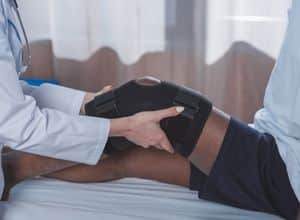
A degenerative issue may manifest as chronic knee pain that is not severe enough to necessitate a trip to the ER or urgent care. One of the most prevalent disorders affecting the knee, osteoarthritis, is brought on by aging-related changes in the protecting cartilage of joints. Osteoarthritis is a progressive condition; therefore, it will keep getting worse. You should consult a knee specialist if you need to use painkillers for knee pain more frequently than a few times a month.
Also, if you have knee pain, stiffness, edema, or a restricted range of motion, contact a knee specialist. These are indicators of an injury or condition. Many overlook these symptoms, especially as they age, believing it is a normal part of aging. Numerous therapy options might lessen or get rid of knee discomfort.
Knee injuries can take many different forms. The ten most frequent knee injuries are:
A fracture can occur in any bones near or in the knee. The patella or kneecap is the joint bone that breaks the most frequently.
Most knee fractures are brought on by high-impact trauma, such as a fall or automobile accident. Taking a bad step or falling might cause knee fractures in those with underlying osteoporosis.
The front of the knee's anterior cruciate ligament (ACL) provides the joint with essential stability. ACL injuries can be severe and necessitate surgery.
ACL injuries are rated from one to three on a scale. A grade 1 sprain is minor ACL damage, but a grade 3 tear is a total tear.
ACL injuries are common among athletes who play contact sports like football or soccer. Yet, this ailment is not solely brought on by contact sports.
A tear in the ACL can result from a poor landing after a jump or from quickly changing the direction of motion.
The knee might dislocate when the knee's bones are not in the right positions and alignment.
One or more bones may move out of position in a dislocated knee. A knee dislocation can be brought on by structural defects or traumas, such as auto accidents, slips & falls, and contact sports.
People most likely refer to a meniscal tear when discussing torn cartilage in the knee. Between the thighbone and the shinbone are two stretchy cartilage wedges known as the menisci. During physical activity, these cartilage fragments are susceptible to unexpected tears. They could age-relatedly start to rip.
Degenerative meniscus tears occur when the meniscus tears as a result of aging naturally.
You can hear or feel a snap in your knee if your meniscus tears suddenly. Throughout the following few days after the initial injury, pain, edema, and tightness may get worse.
The bursae are tiny sacs filled with fluid that cushion the knee joints and provide a smooth surface for tendons and ligaments to glide over.
With repetitive pressure from kneeling or misuse, these sacs may expand and become irritated. Bursitis is the term for this.
The majority of bursitis cases are mild and manageable with self-care. But, in some circumstances, it may be necessary to provide antibiotics or perform an aspiration—a procedure that involves removing the extra fluid with a needle.
Patellar tendinitis is the medical term for tendonitis or inflammation of the knee. The tendon that attaches your kneecap to the shinbone has been hurt.
Running, jumping, and other physical activities require the knee to be extended by the patellar tendon in conjunction with the front of the thigh.
Tendonitis, often known as jumper's knee, is prominent in athletes that jump a lot. Yet, tendinitis can occur in everyone who engages in physical activity.
Soft tissues called tendons attach muscles to bones. The patellar tendon in the knee is frequently damaged.
Athletes who engage in physical activity frequently damage or overstretch their tendons. A tendon tear could also be brought on by a fall or direct blow.
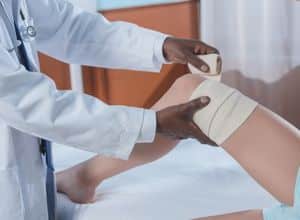
The thighbone is joined to the shinbone by collateral ligaments. A common issue for athletes, especially those in contact sports, is an injury to these ligaments.
Collateral ligament tears frequently result when one person or object collides or is directly struck by another.
The iliotibial band syndrome affects long-distance runners frequently. It results from friction between the outside of the knee joint and the iliotibial band situated on the outside of the knee.
Usually, the knee pain begins as a mild inconvenience. A runner may eventually need to take a break from running to allow the iliotibial band to heal.
In the rear of the knee is the posterior cruciate ligament. This one is one of the several ligaments that join the thighbone to the shinbone. This ligament prevents the shinbone from recoiling excessively.
A strong force must be applied while the knee is bent to injure the posterior cruciate ligament. When someone falls forcefully onto a bent knee or is involved in an accident that strikes the knee while it is bent, this force frequently occurs.
Knee specialists can treat knee issues like arthritis, rips, or dislocations. You are probably looking for a specialist specializing in the knee if you have persistent knee discomfort or injured your knee. Here are the kinds of knee specialists who can help with your condition:
Orthopedic surgeons are specialists in caring for your musculoskeletal system, which includes the joints, bones, muscles, and tissues that support them. Although orthopedic surgeons conduct surgery on the musculoskeletal system when necessary, they will first attempt to treat your knee discomfort nonsurgically, if suitable, such as with physical therapy or pain-relieving injections.
Several orthopedic surgeons have further training in a particular body part, such as the knee joint. Finding an orthopedic surgeon specializing in treating knees is likely used if you are experiencing severe knee arthritis.
A sports medicine doctor can effectively treat your knee discomfort or damage if you are physically active. Doctors specializing in sports medicine have received extensive training in diagnosing, treating, and preventing injuries.
This is a great method for non-athletes because they know how to deal with musculoskeletal discomfort and injuries in a way that enables an athlete to return to their sport as soon as feasible. An athlete is not required to visit a sports medicine doctor.
To help you get your knee back in shape, a sports medicine doctor could advise that you work with a physical therapist, athletic trainer, or other medical specialists.
Rheumatoid arthritis may cause knee discomfort if accompanied by other symptoms, including fever, rash, and exhaustion (RA). A rheumatologist is a medical professional that focuses on inflammatory autoimmune conditions like rheumatoid arthritis and scleroderma, so they can assess your knee discomfort and offer medication to relieve it.
A rheumatologist can help with your joint pain and other symptoms if you have a relative (parent, grandparent, sibling) with rheumatoid arthritis or another ailment affecting the musculoskeletal system.

Several treatments may be necessary depending on the nature of the damage and the source of the knee discomfort. The knee will usually mend over time in strain or overuse injuries with rest and ice.
The course of treatment may also include using medicine to reduce pain and inflammation. A person usually needs to take a break for a while.
Tears or other trauma-related injuries may need bracing, surgery, or the knee being popped back into place. After surgery, a patient is likely unable to utilize their knee and may require crutches or a wheelchair to recover.
Physical therapy could occasionally be required to help someone restore motion and strength in their knee and leg.
Although it is not always possible to prevent knee injuries, one can take safety measures to lower the risk. For instance, those who run or participate in sports should wear the proper footwear and safety gear.
If someone experiences iliotibial band syndrome or overuse injuries, they should consider cutting back on their running mileage.
The smaller leg muscles are also strengthened by some activities, which may assist in preventing injuries. Finally, stretching before and after exercise can aid in avoiding knee injuries.
Do you need reliable and world-class knee specialists to help you with your knee pain or discomfort? Contact us today!
A specialist for knee injury can handle several cases a day because people of all ages often experience knee pain. The complexity of the knee causes many typical ailments to the joint. Over time, during athletic events or other activities, these accidents may happen.
Despite the tendency to ignore knee discomfort, no one should ever have to endure pain or weakness. Consult with a specialist for knee injury if you have redness, considerable swelling, or excruciating pain. They may go through your alternatives so that you can resume pain-free everyday activities.
Keep reading to find out more about knee discomfort and when you should see a specialist for knee injury.

The most prevalent kind of arthritis, osteoarthritis, is usually seen in the knees. Usually, it is the consequence of aging and wear and tear. Knee osteoarthritis is more common in women over 55 than in men. In people who are overweight, osteoarthritis may also be caused by heredity. Additionally, athletes with past knee problems or those who lift large weights often are more prone to have it.
Osteoarthritis treatment focuses on minimizing discomfort and recovering mobility. Your specialist for knee injury could initially advise weight reduction if the patient is overweight. Additionally, strengthening the joint with exercise. Your doctor could also suggest anti-inflammatory drugs, injections, or a brace.
Surgery is often reserved for extreme cases because we believe in conservative therapy. If, for instance, the knee responds well to corticosteroid injection and physical therapy, knee surgery is unnecessary.
A knee effusion develops when the amount of fluid in the tissues around the joint rises. While it may occur in any joint, the knee is one where it happens most often. Any injury or inflammation to the knee might cause an effusion. People with arthritis often get knee effusions (such as osteoarthritis, rheumatoid arthritis, and psoriatic arthritis). Knee effusion may also result from gout.
Usually, your specialist for knee injury would recommend drugs to treat knee joint swelling. Your doctor could suggest steroid pills or injections if those treatments are ineffective for treating your knee. Rarely does the swelling need surgery to be treated.
The knee is stabilized by the anterior cruciate ligament (ACL). The ACL, which links the thigh bone to the shin bone, is often injured when someone suddenly twists (which makes it a common injury for athletes).
Your doctor will examine you to determine the extent of the tear. Some ACL injuries don't need surgery to heal. Your specialist for knee injury would suggest you limit your activities (perhaps wear a brace) and go to physical therapy. Additionally, your doctor could suggest other therapies. Extremely complicated reconstructive surgery is often necessary to repair severe ACL injuries and replace the damaged ligament.
The meniscus, a rubbery disc, cushions your knee. Each knee has two menisci, one on each side. By distributing your weight evenly over your knee, they aid in maintaining knee stability. Usually, when the foot is on the ground, a sudden twist or spin may trigger a meniscus tear. As individuals age, crying is increasingly prevalent.

Meniscus tears occur in three grades: slight, moderate, and severe. Minor rips result in discomfort and edema, which usually go away in a few weeks. Moderate rips result in swelling, stiffness, and possibly severe pain while moving the knee. A knee with severe tearing may feel unstable and may suddenly give way. As bits of the torn meniscus travel into the joint, the knee may "pop."
The course of therapy depends on the extent of the meniscus tear. Depending on your degree of exercise, age, and the severity of the tear, your specialist for knee injury might advise rest, physical therapy, or arthroscopic surgery. The healing time after the minimally invasive procedure usually lasts four to six weeks.
Bursa inflammation is known as knee bursitis (small fluid-filled sacs that reduce friction and provide a cushion). People who kneel for extended periods (like gardeners, plumbers, etc.) have an increased risk of developing knee bursitis, along with those who play particular sports.
Knee bursitis may be treated with rest, physical therapy, an injection of corticosteroids, or aspiration (a procedure to drain excess fluid). Surgery is a last resort for bursitis and is typically only recommended to those who don't respond to other treatments or have recurrent/chronic bursitis.
Patellar tendonitis is a common inflammation or injury of your tendon that connects your kneecap (patella) to the shin bone. Patellar tendonitis often occurs from a repetitive impact on the knee caused by playing sports (especially sports that require a lot of jumping), doing household activities, and more. It is most commonly seen in middle-aged adults as tendons lose elasticity with age.

The kind of treatment depends on how serious the damage is. Your specialist for knee injury may recommend avoiding activities that aggravate the tendon and resting your knee. Applying ice to the joint can also be helpful. With more severe and persistent pain, your doctor may recommend corticosteroid injections, stem cell injections, or physical therapy. Surgery is rarely needed for tendonitis.
Knee pain could be a nuisance that causes you to miss work or cut back on fitness activities. By getting prompt medical attention for knee pain that persists longer than a week or two, you may be able to treat the condition with conservative measures that relieve the pain and get you back in action quickly.
It might be time to visit a specialist for knee injury if you suffer from any of the following, especially following an incident like an injury following athletics:
Chronic knee pain that isn't severe enough to require a trip to urgent care or the emergency room may signify a degenerative condition. Osteoarthritis is among the most common conditions affecting your knee and is a result of age-related changes to your protective cartilage of joints. This type of arthritis is unfortunately progressive, meaning it will continue to get worse. If you need to take pain relievers often times a month for knee pain, it is a tell-tale sign that you should see a specialist for knee injury.
Also, seek medical attention for knee pain accompanied by stiffness, swelling, and a limited range of motion. These are signs that an injury or condition exists. Many people ignore such signs, especially as they get older, because they think it's a part of normal aging. People who are overweight also think it's a normal symptom. However, nothing can further from the truth. Chronic knee pain, while very common, is not normal. Don't accept it as your fate. There are many treatment solutions available that can reduce or eliminate knee pain.
Here are some ways a specialist for knee injury treats knee pain.

A specialist for knee injury can administer ultrasound-guided cortisone shots as part of an extensive treatment plan for knee pain. Ultrasound is used for precision, and the combination of cortisone and anesthetic helps deliver long-lasting pain relief. Patients with acute and chronic knee pain can benefit from this therapy.
Another type of injection therapy is viscosupplementation, in which a specialist for knee injury injects hyaluronic acid (HA) into the knee to lubricate the joint. This is often recommended for patients with knee osteoarthritis who have lost the ability to lubricate the knee joint.
The HA will enhance the lubricating properties of the synovial fluid, which helps relieve pain and improve knee function. Viscosupplementation usually has long-lasting positive effects, with some patients reporting an improvement in symptoms for up to six months.
Many orthopedic doctors also employ regenerative medicine to relieve pain and boost injury healing. PRP therapy and stem cell therapy use components taken from the blood. During stem cell therapy, adult stem cells are harvested and injected into your knee to enable the healing of damaged tissue.
In PRP therapy, blood is taken from the body; platelets are concentrated and isolated using a centrifuge machine and injected into the knee. The platelets contain growth factors that could boost the repair and healing process. Patients with osteoarthritis and soft tissue injuries may benefit from stem cell therapy and PRP therapy.
A specialist for knee injury would usually exhaust conservative and minimally-invasive methods of treatment before recommending surgery. For patients who no longer respond well to nonsurgical treatment methods, doctors may recommend various surgical procedures, such as knee replacement, reconstruction of ligaments, repair of torn cartilage, removal of bone fragments, and more.
How do you know when to go to the doctor for ankle injury if ankle injuries are fairly frequent, especially if you are physically active or participate in sports? Do you require medical treatment for an accident or sudden ankle pain? Should you relax and see if it improves?
If you experience particular symptoms, do not try to tough it out or play through the discomfort. Pain, swelling, difficulty walking, and other symptoms may indicate the need for medical intervention. Waiting too long can result in repeated injuries, more complicated procedures, poor long-term outcomes, and even arthritis.
The ankle is a joint formed of three bones:

1. The inside of your ankle is formed by the tibia, sometimes known as the shinbone.
2. The fibula, a tiny bone in your lower leg, forms outside the ankle.
3. Talus is a tiny cone-shaped bone that rests between your heel, tibia, or fibula
The ankle also includes:
Cartilage is a material that allows bones to slide against each other. It also helps absorb impact when walking, running, or jumping.
Ligaments are strong tissue bands that connect your bones and help support joints. The ligaments in your ankle are divided into three groups: medial, lateral, and syndesmotic.
Tendons are cord-like bands that attach muscles to bones. The posterior tibial tendon, two peroneal tendons, and the Achilles tendon are all found in your ankle. The Achilles tendon is your body's biggest tendon. It is prone to injury in physically active people.
Before panicking, you should establish the ankle sprain's degree. Depending on how serious it is, you may or may not need to see a doctor. Ankle sprains are often classified into one of three categories based on the degree of force and damage.
Let's take a deeper look at the three ankle sprain grades:
A Grade 1 sprain, commonly known as a mild ankle sprain, is characterized by modest ligament straining and tearing, resulting in minor edema and pain.
A Grade 2 sprain, also known as a moderate ankle sprain, is characterized by a partial rupture of the ligaments, resulting in discomfort when moving the ankle.
A Grade 3 sprain, often known as a severe ankle sprain, is characterized by a total tear of the ligaments, resulting in considerable discomfort and edema.
Some of the most prevalent risk factors are poor sports fitness, muscle, and ligament fatigue, inability to warm up before or cool down after exercise, carrying excess weight, improper footwear, and a history of ankle sprains or foot injuries for an ankle sprain.
Medical treatments for a small or low-level ankle sprain can typically be completed at home. Even with a severe ankle injury, starting therapy as soon as possible is advisable, at least until a doctor can examine it. Don't fear; treating ankle sprains at home is simple and painless.
The R.I.C.E. approach is the finest at-home treatment for an ankle sprain.
Rest – while coping with an ankle injury, time is your best friend. Restrict movement and focus on rest for the first two days after an injury.
Ice is your other best friend when coping with an ankle injury. Ice the injured region for 15-20 minutes every three or four hours for the first two days.
Wrap the injured region with an ACE bandage or any other elastic medical bandage to avoid ankle swelling. Make it snug but not too so.
Elevation entails raising the affected ankle above the heart while resting (for example, using pillows on the sofa or bed). This helps to reduce swelling, discomfort and throbbing.
Unwanted repercussions can come from improperly managing an ankle sprain or returning to rigorous exercise too soon after injury, including persistent ankle discomfort, chronic instability of the ankle joints, and ankle joint arthritis. Consult a doctor to avoid the worst-case situation.
In general, any 'Grade 3' or severe sprain would necessitate prompt medical treatment from a doctor to prevent additional ankle injury. A 'Grade 2' or moderate sprain can likely be treated at home, but you should see a doctor if it doesn't start to heal after a few days.
As for a 'Grade 1' or minor ankle sprain, most ankle sprains heal with the R.I.C.E. method. For those that wish to see a doctor, it's best to start with your family physician – though they might refer you to an orthopedic physician or a podiatrist if they need further evaluation.
When diagnosing sprained ankles, your doctor will examine the affected area, checking for tenderness and measuring the range of motion. If they need to take a deeper look at the ankle, they might order an X-ray, an MRI, a CT scan, or an ultrasound – all of which are non-invasive.
Do you know the biggest risk factor for getting an ankle sprain? It's whether you've already had an ankle sprain in the past.
As we said, relatively mild ankle sprains can often be treated successfully at home. This can be achieved through RICE and, when appropriate, rehabbing your ankle through physical therapy.
However, the proper steps must be taken in the proper order. You don't want to go too hard too soon and risk re-aggravating your injury. Nor do you want to leave your rehab incomplete, resulting in an ankle that isn't as strong or flexible as it was before the sprain.

If your ankle cannot fully heal and recover, there is a greatly increased risk that the sprain will recur. And the more sprains you sustain, the greater the likelihood that the joint will become chronically unstable and wobbly even after rehab. Eventually, your ankle may require a surgical repair to fix the damage.
We know how important your activities are to your overall happiness and well-being. The last thing we wish to see is a relatively minor, one-time injury be your first step toward permanently reduced mobility and stability.
Once we determine a person has an ankle sprain via an overview of their symptoms and an X-ray to ensure they do not have a fracture in the ankle, we often divide first-line treatment into 3 categories:
A mild to moderate ankle sprain often heals in two to four weeks, based on the person and what ligaments are affected. Serious ankle sprains normally take up to six to 12 weeks to heal.
People with severe ankle injuries should initially elevate and ice their ankles and use crutches to get around. Then, they must begin physical therapy, where they would perform exercises to strengthen their muscles and tendons in and around the foot and ankle. These exercises would help people avoid similar injuries in the future.
We often consider minimally invasive surgery when sprained ankles haven't healed after 7 to 12 weeks or once people experience frequent recurrences of ankle sprains.
How Surgeries Work
Minimally invasive surgery for chronic ankle pain has the following:
During this time, we can also perform a lateral ankle repair if a patient's ligaments are damaged. Surgery allows people with chronic ankle pain to get back to pain-free physical activity much faster than rest and strength training.
Following surgery, patients typically have to stay off the operated ankle for two to three weeks before undergoing resistance and strength exercises to strengthen the muscles and tissues around the foot and ankle.
We sometimes see patients who visit us with different conditions that have symptoms similar to chronic ankle pain. Some of the most common include:

Osteochondral defects: These are areas of damage to the surface of bones in the ankle that cause pain, especially if there are loose pieces of cartilage from the injury that are now in the joint.
Tendon injuries: A tendon tear or rupture sometimes is mistaken for a chronic ankle sprain.
Fractures: We sometimes see patients referred to us who did not have X-rays, so they visit us thinking they have a sprain until an X-ray shows a fracture.
Patients should make sure they see a doctor to receive an accurate pain diagnosis and the best treatment possible.
Remember to properly tape your ankles or wear ankle braces during activities, as your physiotherapist advises. Also,
To avoid ankle sprains, people should ensure their shoes are tied nicely and snug to provide optimal ankle support and be aware of the type of activities they engage in. For example, when running trails or in a park, they must know the course, so they do not turn into surprises, such as a ditch or hole.
Ankle sprains can cause a lot of pain, especially when they occur frequently. Make sure to visit a doctor to treat chronic ankle pain and avoid further damage.
Various factors may cause ankle pain and need an ankle injury doctor. A sprain, fracture, osteoarthritis, or bursitis could cause it. When an ankle injury is minimal, the RICE (rice, ice, compression, and elevation) approach might be used to treat it. If your symptoms improve, you may not need to visit an ankle injury doctor. However, severe or chronic ankle pain that is accompanied by other symptoms should be addressed by a doctor.
Hearing a popping or breaking sound after twisting your ankle is a sign of ankle joint or ligament damage. The damage may be serious if it is followed by acute ankle pain. An X-ray is the only way to identify the damage's extent correctly.
Severe pain indicates a significant injury. Any ankle injury may cause discomfort at first, but it should recover after a few days of conservative therapy. Ankle sprains, for example, usually heal in a few days. If your ankle discomfort worsens, visit an ankle injury doctor right away.

In contrast, lack of sensation may suggest nerve injury. Diabetes patients are at risk of developing peripheral neuropathy, which is nerve damage due to high blood sugar levels. You will most likely experience pins-and-needles sensations as well as numbness. A doctor should look at this.
The deformity may result from severe fractures. The bone may even protrude from under the skin. With such a severe fracture, you will be in excruciating agony and need immediate medical attention. Ankle fractures that go misdiagnosed and untreated may also result in deformity. A poorly managed ankle fracture may lead to long-term complications such as arthritis.
An ankle injury, such as a sprain or fracture, may make putting weight on the afflicted ankle unpleasant. Ankle discomfort, stiffness, edema, and reduced range of motion are common symptoms that accompany ankle weakness.
If you cannot walk and resume regular activities after several days, see an ankle injury doctor about your ankle pain. This is often a clue that an underlying injury or ailment must be treated before symptoms improve.
Your ankles are critical to your daily functioning. An ankle injury doctor can diagnose the source of your ankle pain or the degree of the ankle damage and then propose the best recovery and rehabilitation plan for you.
The primary objective is to reduce pain and swelling while protecting the ligaments from additional damage. This generally entails following the RICE method (rest, ice, compression, and elevation). Rest the ankle as much as you can for the first 24 to 48 hours if you experience extreme discomfort and edema.
During this period, soak your ankle and foot in cold water or utilize an ice pack (covering the ankle with a towel to protect your skin) for 15-20 minutes 3 times a day or until the swelling subsides.
Compress the ankle using an elasticized wrap, like a bandage or elastic sleeve, to minimize swelling. Elevate your ankle as comfortably as you can while sitting – to the height of your hip, if feasible. Avoid anything that may cause swelling in the first 24 hours, such as hot showers, hot packs, or heat massages.
Ankle sprains may be treated with the RICE technique (rest, ice, compression, and elevation), ankle bracing, and nonsteroidal anti-inflammatory drugs. If that isn't enough, the ankle injury doctor may prescribe one of the nonsurgical therapy alternatives listed below.
Steroid injections may be used to alleviate pain and inflammation while also increasing ankle joint mobility. Other injections that employ cells from your own body to help rebuild damaged and broken ligaments and tendons in the ankle joint, decrease healing time, and postpone or eliminate the need for surgery are recommended by ankle injury doctors.
Our ankle physical therapists can assist you in avoiding stiffness, increasing ankle strength, and preventing ankle instability. They collaborate with your doctor to develop a customized sport- and activity-specific rehabilitation plan to increase your mobility and strengthen your ankle, muscles, and tendons. Resistance workouts, water exercises, balance training, and endurance and agility exercises may all be part of your regimen.

Ankle surgery may be indicated if you have persistent ankle instability and chronic ankle discomfort that has not responded to months of nonsurgical therapy. Ankle surgery may be required to clean the joint or repair and rebuild damaged ligaments. If you have substantial ankle joint deterioration due to arthritis, you may be a candidate for ankle replacement surgery or ankle fusion.
An arthroscope, a thin tube-like instrument with a camera at its tip, is introduced into the ankle joint via small incisions. Ankle arthroscopy enables your ankle surgeon to examine your joint, remove chipped bones and scar tissue, and repair or rebuild damaged or strained ankle tissues.
Ankle ligaments that have been severely damaged may be mended or replaced utilizing tendons obtained from elsewhere in the body or donor tissue.
If you've got severe ankle arthritis and aren't a candidate for ankle replacement surgery, ankle arthrodesis, also known as ankle fusion, may be considered. Two bones below your ankle joint are fused together to fortify the ankle and prevent ankle instability. The lengthy operation alleviates discomfort and restores some functions.
This operation, also known as ankle arthroplasty or complete ankle replacement, may treat severe arthritis and damaged ankle joints. The diseased ankle joint is replaced with a metal and plastic ankle implant. Total ankle replacement surgery alleviates discomfort while restoring function.
You should consult an ankle injury doctor as soon as possible when you injure your ankle. Here are five essential considerations when looking for an ankle injury doctor:
When you damage your ankle, you lose stability and mobility. Look for an ankle injury doctor to assist you in recovering and returning to regular activities.
You'll need to locate an expert specialist who can immediately see you. An ankle injury doctor can help you precisely assess your ankle injury and distinguish between one that will recover without surgery and one that will need surgery. In addition, seek a doctor with a kind and competent staff near you. Take into account the location and accessibility of both the office and the operation facility.
Though most ankle sprains and other injuries do not need surgery, when searching for an ankle injury doctor, inquire particularly about where procedures are performed. Some experts perform their procedures at an outpatient surgical facility, while others do so in a hospital.
References and reviews allow you to observe a physician's work through a patient's eyes. After working with a certain physician, a person may quickly submit a rating and survey. These ratings might give you an idea of the service you will get before you go into a doctor's office.

That said, keep in mind that anybody may leave an internet review. Patients who are dissatisfied with a doctor for a non-medical cause may vent their frustrations online.
However, a recommendation is a far better approach to confirming that an ankle injury doctor is competent. You may believe a trusted friend or family member who says a doctor is experienced, trustworthy, and an excellent ankle specialist.
Examine the physician's qualifications, education, training, and board certification (s). Learn the distinctions between an ankle orthopedic surgeon, a sports medicine doctor, and a podiatrist. Consult your primary care physician to see if the ankle specialist you're contemplating has the proper training and expertise. Ankle specialists specialize in the treatment of ankle injuries. They have specialized training for that area of your body.
When searching for an ankle injury doctor, you have many choices for physicians. Because they've seen dozens, if not hundreds, of various sorts of ankle injuries, the top ankle injury doctor will understand the best ankle injury therapy.
Furthermore, having an ankle injury treated by a fellowship-trained doctor means you're getting a specialist with an additional year of training and expertise. They spent a year training under another great surgeon and focusing just on ankles.
Look for an ankle injury doctor who is eager to talk about cutting-edge techniques, equipment, and technology. You want someone eager to learn how to treat your ankle issues.
Because foot/ankle injuries may take time to heal and limit your ability to stand, walk, and drive, it is important to consult with an ankle injury doctor who will work with you to completely recover as soon as possible.
Prolonged absence from work or inability to drive has significant repercussions. It is critical to consult an ankle injury doctor who will empathize with you and guide you through the emotional and professional problems that your ankle injury brings as it heals.