(214) 420-7611


If you're experiencing debilitating pain in your knee due to a serious injury or medical condition, the best knee reconstruction surgeon can help. Knee replacement, commonly called knee arthroplasty or complete knee replacement, is a surgical operation used to resurface an arthritis-damaged knee. Metal and plastic components, as well as the kneecap, are used to cap the ends of the bones that comprise the knee joint. Someone with severe arthritis or a serious knee injury may benefit from this procedure.
The knee joint can be affected by several forms of arthritis. Osteoarthritis, a degenerative joint condition mostly affecting middle-aged and older individuals, can destroy joint cartilage and adjacent knee bone. Rheumatoid arthritis causes synovial membrane inflammation and excess synovial fluid and can cause discomfort and stiffness. Traumatic arthritis, or arthritis caused by accident, can destroy the cartilage in the knee.
The purpose of knee replacement or reconstruction surgery is to resurface damaged areas of the knee joint and reduce knee discomfort that cannot be managed with conventional therapies.
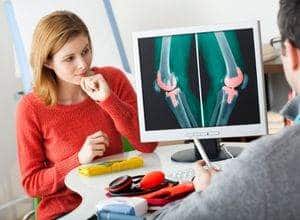
Joints are the points wherein two or more bones come together. The majority of joints are movable, which allows the bones to move. The knee is two long leg bones kept together by muscles, ligaments, and tendons. A layer of cartilage covers each bone end, absorbing shock and protecting the knee.
The quadriceps muscles (seen on the front of your thighs), which straighten your legs, and the hamstring muscles (placed on the back of the thighs), which bend your leg at the knee, are both engaged in the knee.
Tendons are thick connective tissue strands that link muscles and bones. Ligaments are elastic tissue bands that link bones. Some knee ligaments offer joint stability and protection, while others limit the tibia's forward and backward mobility (shin bone)
The knee is made up of the following parts:
Knee replacement surgery is a treatment for knee pain and impairment. Osteoarthritis is the most common condition that necessitates knee replacement surgery.
The deterioration of joint cartilage is the hallmark of osteoarthritis. Cartilage and bone damage restrict mobility and may cause discomfort. People with serious degenerative joint disease may be unable to perform normal activities that require knee bending, such as walking or climbing stairs, due to pain. Because the joint is unstable, the knee may swell or "give way."
Other types of arthritis, like rheumatoid arthritis and arthritis caused by a knee injury, can also cause knee joint degeneration. Furthermore, fractures, cartilage, and torn ligaments can result in irreversible knee joint damage.
If medical treatments are ineffective, knee replacement surgery may be an option. Some examples of medical treatments for degenerative joint disease include, but are not limited to:
• Anti-inflammatory drugs
• Chondroitin sulfate and glucosamine
• Pain relievers
• Restricting painful activities
• Walking assistive devices
• Physiotherapy
• Cortisone injections into the knee joint
• Viscosupplementation injections (to add lubrication into your joint to make joint movement less painful)
There might be other reasons for your doctor to recommend knee replacement surgery.
Surgery is a last resort for numerous patients. In most cases, the best knee reconstruction surgeon would try more conservative treatments before recommending joint surgery, including knee replacement. Conservative treatments indicate treatments that don't use surgery. These include physical therapy, exercise, medications, injections, or non-surgical procedures.
Some best knee reconstruction surgeons also suggest that patients shed pounds before considering knee replacement or reconstruction surgery. Losing weight could often improve knee pain.
But if you have these symptoms, you might want to consider a more aggressive procedure: knee replacement surgery.
If you've tried physical therapy, exercise, and pain medication, but your pain isn't improving, it may be time to consider knee replacement surgery. After knee replacement surgery, the pain goes away for as many as 90 to 95 percent of younger patients.
If your arthritis makes it difficult for you to sleep, walk, and go to work, this might be a sign you need to go to the best knee reconstruction surgeon and consider knee replacement surgery.
Do you have a stiff, painful, swollen knee? Total knee replacement surgery done by the best knee reconstruction surgeon eliminates much of the damaged, inflamed tissue inside the knee that causes stiffness and swelling.
Surgery may be a good option if your leg is deformed due to an injury or if you were born with a deformity. Knee replacement surgery could repair deformed knee joints and help them normally work again.
Most knee pain worsens when you use your knee while running, walking, or exercising. But if your knee hurts even when you are not using it, you might need surgery to treat moderate or severe pain.
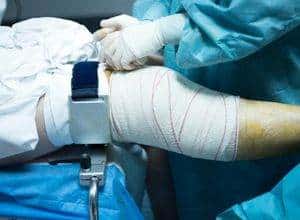
During knee replacement surgery, the best knee reconstruction surgeon would remove all or a part of the knee joint and replace damaged portions with an artificial joint. This artificial joint could correct your leg if it bows in or out.
Artificial knee joints could last between 15 and 25 years. If you love skiing, hiking, or running but the knee pain makes it hard to do those activities, knee replacement surgery may be a great option.
For 9 out of 10 individuals, artificial knee joints still work well 20 years after surgery. The age and physical activity level may affect how well the artificial knee joint works eventually. For instance, artificial joints often last longer for older, less active individuals. But overall, artificial joints provide long-term improvement.
Choosing the best knee reconstruction surgeon is essential to ensure your surgery is successful. A knee replacement is an opportunity to reclaim your active lifestyle, so selecting a quality surgeon experienced with this procedure is crucial. Not only do you want an orthopedic surgeon who has a history of successful knee replacements, but also someone you feel comfortable with asking questions and voicing concerns along the way. Here are some guidelines to observe when finding the best knee reconstruction surgeon.
It's possible to find a board-certified knee replacement surgeon by doing some research online. Several medical associations, like the American Medical Association and the American Academy of Orthopaedic Surgeons, offer lists of surgeons who are qualified.
While it's okay to begin your search for the best knee reconstruction surgeon online, referrals from an individual in the medical field are an excellent resource. Your primary care physician may have a list of experienced orthopedic surgeons who provide knee replacements in the area, or your physical therapist might be able to recommend the best knee reconstruction surgeon with a history of successful outcomes.
As you consider orthopedic surgeons, verify with your insurance provider to ensure your care plan covers the surgeons you're considering. If you choose a surgeon your provider doesn't cover; you could pay a significant out-of-pocket amount for your surgery.
Please speak with your friends, family, and colleagues who have previously undergone knee replacement surgery about their surgeon and experience. They may be able to provide insight and offer suggestions for the best knee reconstruction surgeon.

It's always great to learn more about what other patients have to say about the orthopedic surgeon, and this can give you a closer look at how the medical practice is managed. Reviews from previous patients can help you learn more about experiences with office staff, scheduling, wait times, trust in the physician, and how well the surgeon answers any patient questions.
Reviewing the surgeon's background is essential, and you should look at the surgeon's credentials, education, training, and degrees. Make sure the surgeon is board-certified by a credible association, such as the American Association of Orthopedic Surgeons. You will also want to check to see if any malpractice claims or disciplinary actions are there in the surgeon's past. Beyond medical school and training hospitals, look for surgeons who have used continuing education to expand their knowledge of new devices, technologies, and cutting-edge surgical approaches.
Before you meet with the best knee reconstruction surgeon you're considering for your knee replacement surgery, think about the questions you may have about the physician, his experience, your surgical options, and the procedure. Write these questions down so you remember them when you meet face-to-face. A good surgeon will be happy to spend time with you answering all of your questions and concerns so you are comfortable with them and the procedure.
Schedule a consultation with the orthopedic surgeons you're considering. The consultation is the time to talk to them regarding your specific situation, ask questions you have for them, and get their opinion about your case. It's a good idea to talk to the surgeon about their experience with similar cases, their knee replacement success rate, and where the surgery will be performed. Please pay attention to the surgeon's bedside manner and whether they spend enough time with you answering your questions. This consultation aims to help you decide if it's the right surgeon for your knee replacement surgery.
A great surgeon won't have a problem with you getting a second opinion, and they'll even be happy to talk to you about that opinion. If you get a second opinion to put your mind at ease, choosing another orthopedic surgeon from a different hospital or practice is a good idea.
In the end, trust your instincts when making the final decision. Take into account your research, referrals, and consultations. Choose the surgeon you feel comfortable with and confident in their abilities.
If you need a knee replacement procedure, you should have the operation performed by highly skilled orthopedic surgery specialists. Finding the proper surgeon, one with a track record of successful knee replacement procedures, can assist in guaranteeing a smooth surgery and recovery. It is vital that you feel at ease with your orthopedic surgery specialists and that you can communicate your worries and questions with them honestly.
Here are some steps you may take to find the best orthopedic surgery specialists for you:
Request a list of orthopedic surgery specialists that specialize in or have expertise in knee replacement from your primary care physician or general practitioner. Make careful to inquire as to why those specific tips stick out. You may broaden your list of potential surgeons by contacting additional physicians and physical therapists, such as those who share an office with your primary care physician.

If you know somebody who has had knee replacement surgery, find out who did it and how well it went.
You'll want to check whether your insurance covers the orthopedic surgery specialists you choose. Choosing a surgeon not covered by your insurance plan may increase your out-of-pocket expenses.
Exploring the websites of orthopedic surgery specialists is a convenient and effective way to learn vital information about them, such as their specific clinic location, years of practice, affiliations, and whether they provide telemedicine visits.
One of the most useful elements is the patient testimonials/reviews area, which provides insight into the doctor's professionalism and attitude to patient care. Keep in mind, however, that a doctor who has been practicing medicine for decades will have a few bad evaluations. A variety of things may influence a doctor's star ratings. Use them as additional information, not as a determining factor.
Some hospitals have an orthopedic surgery department of excellence. Check to see whether there is one in your area and if so, contact them.
Spend some time examining the surgeon's background, which should include the following:
Determine if the surgeon is board-certified and by which organization.

It's a good idea to ask orthopedic surgery specialists how many surgeries they undertake each year. According to research, doctors who perform 12 or more total knee replacements (TKRs) yearly are more likely to have a successful track record. Similarly, hospitals that execute 25 or more TKRs each year had the most successful outcomes. Every year, the top surgeons undertake hundreds of surgeries.
Orthopedic surgery specialists receive useful experience mostly via surgery, but they may also broaden their expertise through continuing education. This entails gaining knowledge of:
• innovative technologies
• modern surgical techniques
• new equipment and devices
Whether you believe a certain gadget or surgical method may be suited for you, you should find out if your potential surgeon is educated in that field and can implant that device. A surgeon will often acquire training from the manufacturer to employ a certain surgical approach or technology. By visiting a manufacturer's website, you may identify a surgeon in your area who is trained in that technique.
At the same time, it's critical to follow your surgeon's advice. They have the finest knowledge about which implant is suitable for you. Please work with your surgeon to fully understand their decision, and don't hesitate to ask questions. It's critical that they feel at ease with the technologies they'll be using.
Before surgery, be careful to go through your medical history with your physician. This ensures that they can manage your demands and any possible emerging issues.
For example, if you have any pre-existing diseases, such as anemia or diabetes, or if you have had any previous injuries that may complicate surgery, ask the surgeon about their expertise in these sorts of situations.
Once you've narrowed your list of possible orthopedic surgery specialists, you'll want to meet with each one. You will want to do the following throughout these sessions:

• talk about your circumstances
• ask any questions you may have
• seek their feedback
Make sure you understand your pain level and knee history well. It may be beneficial to complete an online knee pain exam or assessment and print the findings to bring with you.
You should also prepare a set of questions. Consider the doctor's previous experience with situations similar to yours and the technology they will use.
Explain any questions or concerns you have throughout your consultation. Consult your orthopedic surgery specialists about the following:
Insurance coverage will most likely play a significant role in deciding which doctor and hospital to work with. You should check with each hospital's billing office to see whether your insurance company covers the operation. When you do, make the following inquiries:
• the hospital's prior experience with the operation
• Physical therapy possibilities after surgery
• the expense of both the operation and the subsequent physical rehabilitation
Do your web research to evaluate each hospital's quality record as you narrow down your options. If you have a preference for hospitals, consider that as well.
Keep track of the way you interact with the orthopedic surgery specialists and how you feel. A qualified surgeon will spend enough time discussing your choices and possible results with you.
The nurses and office staff are your point of contact with the surgeon and will assist you in scheduling and preparing for your surgery and recovery. The nurses and personnel will, among other things
It's critical that you feel at ease with the employees and are confident that they:
If the service is subpar, it may negatively influence your experience.
Knee replacement surgery often necessitates the collaboration of a group of highly competent and experienced orthopedic surgery specialists. As a result, you should consider the overall quality of knee replacement treatment at your knee surgeon's institution.

Find out where the orthopedic surgery specialists on your list can treat patients, and then look them up online. You can find hospital rankings based on patient mortality and complication rates for various popular surgeries, including knee replacements.
In an ideal world, you should be able to locate a hospital in your neighborhood that performs better than predicted (5-stars) for knee replacements. Then, locate a doctor capable of admitting and treating patients at this facility. Avoid hospitals that have lower-than-expected (1-star) ratings.
Whether a certain hospital falls short of expectations, find out if the surgeon works at another institution. Otherwise, look for a surgeon who works at a facility that is likely to provide you with the greatest possible result.
Even if you are entirely satisfied with the first orthopedic physician you meet, you should always seek a second opinion. A second opinion, ideally from different orthopedic surgery specialists, may provide you with important information and perspective. You may want to see three or four physicians, if not more. If you hear contradictory advice, feel free to revisit each doctor and ask additional questions.
You'll have a lot of questions and worries regarding knee replacement surgery. Make the following considerations while making your ultimate decision:
You should not proceed with surgery unless you are comfortable with the orthopedic surgery specialists, equipment, and process. Your future health is at stake.
Have you ever seen a sports medicine specialist at some point in your life? Are you a beginner athlete? Do you like to engage in physical activities and exercise to stay fit and healthy? If so, you may have already suffered a sports injury.
A sports medicine specialist is an orthopedic expert who treats athletes and anyone suffering from musculoskeletal problems. They have been educated to manage every sports-related concern, from joint discomfort to osteoarthritis to nutrition.
Although sports medicine specialists are most recognized for counseling and treating amateur and professional players who have sustained sports injuries, they also diagnose and treat "weekend warriors" and retirees who have been sore or hurt while playing tennis or golf.
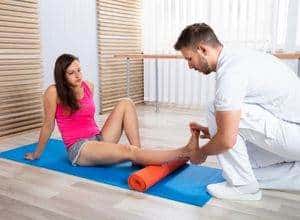
No. Sports injuries are musculoskeletal injuries that arise during physical activity or when engaging in sports. Children are more vulnerable to sports-related injuries than adults. However, adults may still be injured, particularly if they participate in contact sports or do not warm up properly before exercising. If you are not routinely active but suddenly start participating in a sport or physical activity, you are more likely to get a sports injury.
Furthermore, a sports medicine specialist is trained in both preventing and treating musculoskeletal ailments. Sports doctors are also highly educated to identify and treat young and older individuals with bone, muscle, or joint problems.
Sports medicine specialists are trained and prepared to diagnose and treat various sports injuries and diseases involving the musculoskeletal system, including bones, tendons, ligaments, and muscles. They are also skilled in diagnosing and treating concussions and traumatic brain damage (TBI).
To correctly diagnose your injury, the sports medicine specialist will analyze your degree of discomfort, range of motion, and function and may request diagnostic procedures such as an X-ray or an MRI. A sports medicine specialist's specialization is often in nonsurgical treatment approaches and preventative care to assist clients in regaining their original health and continuing to participate in their sport.
They are responsible for a variety of tasks, which may include:
Below are three of the most common medical illnesses and injuries that a sports medicine specialist identifies and treats:
An injury to the tendons and muscles that support the shoulder joint is known as a rotator cuff injury. It typically affects baseball pitchers and tennis players who undertake repetitive overhead movements; it may also affect people who execute inappropriate repetitive motions that tug on the shoulder. The tear might be partial or complete, and a complete rotator cuff tear may need surgery.
The symptoms often begin with dull aching in the shoulder. It often disrupts sleep, particularly if you sleep on your afflicted shoulder. Patients suffering from this shoulder injury often complain of arm weakness, making it difficult to comb their hair or put on a shirt.
When excessive pressure is applied to the rear of the lower leg, such as landing from a jump, the Achilles tendon may tear or rupture. Patients with a torn Achilles tendon may experience a rapid onset of acute pain in the heel region. Others may also hear a cracking sound when the tendon ruptures, making walking difficult.
Strains and sprains are part of the most frequent injuries suffered by athletes and regular individuals who exercise or participate in sports. Overexertion or moving uncomfortably may cause muscle strain. A strain, often called a pulled muscle, occurs when muscles or tendons rip or overstretch. A sprain is caused by ripping or overstretching ligaments, such as those in the ankle. Treatment for sprains and strains may include:
Athletic activities often cause back, neck, and shoulder discomfort. These injuries may range from minor discomfort to extreme agony. For such situations, sports medicine specialists may offer a range of therapies. Doctors may offer a range of therapies after identifying the condition.
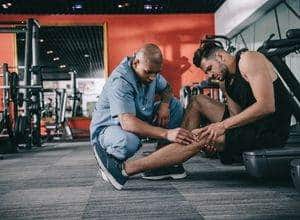
Athletes and persons who regularly participate in various sports are often injured due to the overuse of specific body parts. Tennis elbow, for example, is common in those who play tennis or other racquet sports. Baseball pitchers are damaging their elbows, swimmers injuring their shoulders, and joggers or runners injuring their knees are further instances. These types of injuries are usually classified as tendonitis because they include inflammation of tendons such as the elbows and knees.
Concussions and other brain injuries are caused by an impact, such as being struck by a ball, colliding with another player, or collapsing to the ground. Athletes that participate in contact sports such as football, basketball, rugby, and hockey, as well as combat sports like boxing, wrestling, and martial arts, are more vulnerable to head injuries. Concussion victims must be carefully assessed since the amount of the injury is not usually visible.
While EMTs may first treat concussions, sports medicine professionals often monitor progress and advise patients on a recovery approach. Neurologists and radiologists, for example, may also be consulted.
These are injuries that occur unexpectedly while participating in a sport or exercising. Sprains and strains are common. Muscle and knee injuries, shattered bones, dislocated joints, and Achilles tendon injuries are more serious. That's the tendon behind your ankle that connects the calf muscle to your heel bone.
Acute injury symptoms may include:
These are injuries that occur gradually. They often result from practicing too hard or for too long. A rotator cuff injury is a typical example (a group of muscles and tendons in your shoulder). Other examples include a swollen tendon (tendinitis) and bone breaks (stress fracture).
Among the symptoms of these injuries are:
You should see an orthopedic surgeon if you have a fractured bone or a dislocated joint due to a sports accident.
Surgery may be required to repair:
A sports medicine specialist can help you heal from a sports injury or surgery and return to normal activities. The recovery process should start as quickly as possible. This reduces muscular stiffness and weakness. Returning to your activity or exercising too quickly, on the other hand, might result in another injury. A sports medicine specialist will create a recovery plan for you and may assist you with:
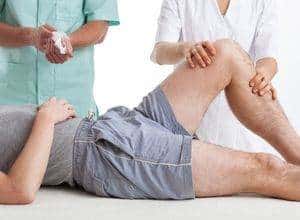
An excellent reason to consult a sports medicine specialist is to avoid a sports injury. Think about it if you're beginning a new sport, athletic activity, or fitness routine. The visit might include:
Sports physicians typically treat players, but they may also treat non-athletes. A sports medicine specialist is the person to go to if you want to start an exercise program or become more active. They can assist you in developing a safe, effective workout plan that addresses underlying health issues and avoids injury.
Many people wonder if surgery for snapping hip is really that necessary. Snapping hip syndrome usually causes a hip pop, click, or snap that can be heard and seen but is not painful. People who experience hip pain can typically bring their symptoms under control using non-surgical treatments.
If non-surgical treatments don't work, surgery for snapping hip may be recommended.
Snapping hip syndrome is identified by a snapping sensation and usually an audible popping noise when the hip is extended and flexed. The syndrome occurs most often among people between 15 to 40 years old and affects females slightly more frequently than males.

Snapping hip syndrome has three primary reasons. The most common reason involves the iliotibial band, or IT band, a thick, wide tendon that runs over the outside of your hip joint. Snapping hip syndrome happens when the iliotibial band snaps over the bony prominence outside the hip joint. Patients with this snapping hip syndrome may also develop trochanteric bursitis from the irritation of the bursa in this region.
The second cause of snapping hip syndrome is the iliopsoas tendon, which could catch on a bony prominence of the pelvis and result in a snap when the hip is flexed. When the iliopsoas tendon is the reason for snapping hip syndrome, patients often experience no problems other than the annoying snapping. Lastly, the third and least likely reason for snapping hip syndrome involves a labral tear in the hip joint or cartilage. This snapping hip usually causes pain and might be disabling. In addition, a loose piece of cartilage could cause the hip to catch or lock up.
In most cases, snapping is due to the movement of a muscle or tendon over a bony structure in the hip.
The most common site is outside the hip, where a band of connective tissue called the iliotibial band passes over part of your thigh bone that juts out -- known as the greater trochanter. When standing up straight, this band is behind the trochanter. However, when you bend your hip, the band moves over and in front of the trochanter. It may cause a snapping noise.
The iliopsoas tendon, connecting to the inner part of your upper thigh, could also snap with hip movement.
Another area of snapping is where the ball at the top of the thigh bone fits into the socket in the pelvis to create the hip joint. The snapping happens when the rectus femoris tendon, which runs from inside the thighbone up through your pelvis, moves back and forth across the ball when your hip is bent and straightened.
Less commonly, a cartilage tear or bits of broken bone or cartilage in the joint space could cause snapping, or a loose piece of cartilage can cause the hip to lock up. It can cause pain and disability. In this case, surgery for snapping hip may be recommended.
People with snapping hip syndrome most commonly experience pain if:
The snapping tendon or muscle becomes irritated and inflamed. During snapping, the tendon or muscle is uncomfortably strained and stretched as it pulls over a bony protrusion and afterward snaps as the tension is released. This process could lead to muscle or tendon irritation, damage, and pain if done repeatedly over time.

The snapping leads to painful hip bursitis. The snapping muscle or tendon can irritate a nearby bursa, a lubricating, fluid-filled structure that typically reduces friction between bone and soft tissue. This irritation could cause a bursa inflamed, a condition known as hip bursitis.
For some people, the snapping sensation and hip bursitis result in painful symptoms.
Snapping hip syndrome could affect anyone, but certain individuals are at higher risk:
A person with snapping hip syndrome could usually snap a hip at will. They can make a hip snap with a particular movement, such as standing up from a seated position, walking, kicking, or rotating a leg out.
Below are non-surgical treatments typically recommended to alleviate pain due to snapping hip syndrome:
People with snapping hip syndrome are recommended to avoid the motions that cause the popping, snapping or clicking sensation. Resting limits joint irritation and lets the affected muscle, tendon, or bursa heal. If walking causes an inner snapping, the patient might be advised to walk with the affected leg rotated out a bit, as this might minimize hip snapping.
COX-2 inhibitors or Non-steroidal anti-inflammatory drugs (NSAIDs) may ease inflammation and hip pain.
A licensed physical therapist could help loosen tension and encourage healing in the muscles and tendons that cause internal and external snapping. A physical therapist may use:
A physician may recommend steroid injection if the snapping hip syndrome's pain interferes with day-to-day life. Using medical imaging (for example., ultrasound), a steroid injection could be made into the hip bursa or the thin sheath surrounding the tendon. (Injections aren't made directly into the tendon because corticosteroids can weaken tendons).
Sometimes, a physician may suggest surgery for snapping hip to relieve snapping hip syndrome symptoms. The recommended surgery will depend on the underlying cause of snapping the hip.

IT band release is sometimes advised for people with persistent and painful inner hip snapping syndrome. During surgery for snapping hip, your physician makes strategic incisions in the iliopsoas tendon to lengthen it, decreasing tension and the chance of hip snapping.
Iliopsoas tendon release is sometimes advised for people with persistent and painful inner hip snapping syndrome. During surgery, your physician makes strategic incisions in the iliopsoas tendon to lengthen it, decreasing tension and the chance of hip snapping.
Arthroscopic hip debridement might be appropriate if the snapping hip is caused by a cartilage injury that has led to loose cartilage caught in the socket joint and hip's ball. The surgeon makes a tiny incision to reach the hip joint cavity and remove debris.
Acetabular labrum repair might be recommended if x-rays and MRI show a tear to the ring of cartilage around the acetabulum or hip's socket. This surgery is usually done arthroscopically so that only small incisions are needed.
Note that before treatment can start, an accurate diagnosis must be made. The hip is a complex joint found deep within the body, so diagnosing hip problems could be challenging. A doctor will start by interviewing the patient and conducting a physical exam. Medical imaging, like X-rays and MRIs, may be ordered.
To diagnose snapping hip syndrome, a doctor must rule out other conditions that could cause similar symptoms. These conditions include but aren't limited to:

Once the diagnosis is decided, treatments, both non-surgical and surgery for snapping hip, could be recommended.
You might need to see an ankle joint replacement doctor if you have significant ankle pain due to an accident or arthritis, to help you understand how it may impact your daily quality of life. Nonetheless, advances in technology and prosthetics have enabled ankle joint replacement doctors to give their patients the choice of a total ankle replacement.
Ankle replacement surgery is done to treat individuals who have lost ankle function and are in excruciating pain. Ankle surgery can aid with pain relief, mobility, and overall quality of life.
Let's learn more about this procedure to help you understand what it involves and when to see an ankle joint replacement doctor.
The most prevalent causes for requiring an ankle replacement are (1) an accident or (2) severe arthritis. Both conditions cause swelling and discomfort by damaging the cartilage surrounding the ankle.

Ankle discomfort is so widespread that roughly two million Americans seek medical attention for it each year. The cartilage in the ankle is nearly totally worn away in severe instances of ankle arthritis.
Sports and strenuous activity place additional strain on the joint, making them typical causes of an ankle injury. Osteoarthritis, ankle fractures, rheumatoid arthritis, and obesity are also some reasons for ankle pain.
Ankle arthritis or injury frequently causes pain, stiffness, edema, and sensitivity around the ankle. People frequently report that when they attempt to place weight on their ankle, it becomes weak or unstable, making standing or walking difficult.
If ankle discomfort is left ignored, it can worsen over time. That is why it's vital to have an ankle joint replacement doctor assess your ankle problem in order to prevent it from deteriorating.
There are numerous key reasons why ankle joint replacement doctors offer ankle arthroplasty to patients, including the following:
Patients who have severe osteoarthritis of the ankle joint frequently have the joint replaced. As the cartilage in the ankle goes away due to arthritis, swelling and inflammation create stiffness and discomfort. The ankle might possibly become immobile.
Similarly, rheumatoid arthritis puts you at risk of requiring an ankle replacement. The condition has the potential to degrade the bone in the ankle joint, resulting in deformity and impairment.
Chronic ankle discomfort may indicate that the ankle needs to be replaced. The discomfort might be caused by a sports injury or trauma from an accident or a fall.
When alternative procedures fail, limited mobility and loss of ankle range of motion may indicate the need for an ankle replacement.
Extreme ankle weakness is frequently a symptom that the ankle bones are failing. As a result, an ankle replacement will allow you to recover movement and function in the leg and ankle.
Multiple ankle sprains, particularly in younger people, might produce the ideal storm necessitating ankle surgery. People who sprain their ankles regularly while playing sports, for example, may notice that the ankle is now less stable than previously. Because the ligaments are weakened from over-stretching, instability increases the likelihood of re-spraining. Ligaments can become loose if they're torn and don't fully mend.
Severe ankle fractures that do not heal adequately might result in a loss of ankle joint range of motion. A total ankle replacement might be the best treatment for resolving this issue and restoring full functionality.
The initial step in identifying ankle issues is to consult with a board-certified ankle joint replacement doctor. The doctor will question you about the discomfort and pain you're feeling, look at how much edema you have, and assess your range of motion.
Your doctor will then order X-rays to check for bone fractures, spurs, or damaged cartilage. In rare situations, your ankle joint replacement doctor may additionally request an MRI or CAT scan to obtain further information about your condition.
Consult your ankle joint replacement doctor about how to prepare for ankle replacement surgery. Inquire ahead of time whether you should discontinue any medications, such as blood thinners. If you smoke, attempt to quit before the surgery. Tell the doctor about all of your medications, including over-the-counter medications like aspirin. Inform your ankle joint replacement doctor about any changes in your general health, like a recent fever.
Further imaging tests, like CT scans, X-rays, or MRIs, may be necessary before your procedure.
Because you'll require crutches for several weeks, you may need to change your living arrangements as you heal. Plan arrangements for someone to fetch you from the hospital back home.
You must abstain from drinking and eating after midnight the night before the operation.

Ankle replacement surgery (also referred to as total ankle arthroplasty or TAA) includes the reconstruction of the ankle joint using metal and plastic materials or prostheses. In rare circumstances, your ankle joint replacement doctor may propose further surgery on the tendons to increase your ankle's range of motion.
Following surgery, your ankle joint replacement doctor will likely suggest physical therapy to help you progressively strengthen and condition the ankle so that you may resume your chosen level of activity. Most patients recover completely after 6 to 12 months of surgery.
Discuss your post-surgery expectations with your healthcare physician. Your ankle joint replacement doctor will continue to closely follow you while you recuperate. Your leg will most likely be immobilized and raised when you wake up. As soon as you're able, you can resume your usual diet. You may require more X-rays to see how well your procedure went. You will most likely need to stay in the hospital for a few days.
You may experience substantial discomfort immediately following surgery, although pain relievers may help. The discomfort should start fading after a few days, and you should feel less pain than before the procedure.
You will most likely need to wear a splint for a few weeks after your operation. You may also require crutches for many weeks. While you recuperate, your ankle joint replacement doctor will teach you how to move your foot. Resting and elevating your leg during the first week or so following surgery may be beneficial. For a couple of months, you won't be able to bear full weight on your foot.
You will be unable to see the incision at first but contact your ankle joint replacement doctor immediately if you feel the pain worsening or you develop a fever or chills.
Keep all of your follow-up visits so that your ankle joint replacement doctor can track your improvement. A few weeks following surgery, your splint may be removed and replaced with a boot or cast. This cast may be removed many weeks following surgery. Physical therapy may be required for a number of months to assist you in maintaining your range of motion and strength. It might take many months before you can resume all of your old activities.
Following your healthcare provider's recommendations for rehabilitation, medications, and wound care should improve your chances of a positive outcome.

Rest, ice/heat therapy, anti-inflammatory medicines, and physical therapy are the initial lines of treatment for an ankle issue. If your ankle joint replacement doctor discovers that you have severe arthritis or a poorly healed complicated fracture, he or she may advise you to undergo ankle arthroscopy, ankle fusion, or complete ankle replacement.
You might want to consider ankle replacement surgery if you have a complicated injury or severe arthritis and wish to keep a full range of motion in your ankle. Ankle replacement surgery has substantially improved over time, making it more successful.
Your ankle joint replacement doctor could match you with an implant that's custom-made for your ankle. These custom-fit prostheses result in a better surgical outcome as well as a higher quality of life after surgery.
Every day, more FDA-approved ankle implants become accessible as possibilities, making ankle replacement the preferable treatment strategy over ankle fusion.
Ankle replacement surgery can assist you in easing discomfort, regaining range of motion, and resuming an active lifestyle. Call our highly skilled doctors at Sunnyvale Orthopedics to understand whether an ankle replacement is suitable for you.
Do your knees ache, and you feel like going to a knee surgery doctor when you hike, walk upstairs, or even sit or lie down? If they do, you might be thinking about treatment options and thinking if you should get replace your knees.
Knee replacement—also known as knee arthroplasty—is a common surgery. More than 1 in 10 Americans will get a total knee replacement by reaching 80.
Even though it is common, the decision to have surgery is personal. How do you know when it is time to go to a knee surgery doctor and have knee replacement surgery?
Surgery is a last resort for numerous patients. A knee surgery doctor would often try more conservative treatments before recommending joint surgery, including knee replacement.

Conservative treatments suggest treatments that don't use surgery. These include physical therapy, exercise, injections, medications, or non-surgical procedures.
Some knee surgery doctors also advise that patients lose weight before considering knee replacement surgery. Losing weight could often improve knee pain.
But if you have these symptoms, you might want to consider a more aggressive treatment: knee replacement surgery.
Arthritis of the knee, particularly osteoarthritis, or "wear and tear arthritis," is prevalent. As we age, we will wear out the cartilage in our knees to some degree. Thankfully for most, occasional knee aches and pains don't limit us significantly. However, the number of people afflicted with more debilitating knee arthritis keeps growing.
There are several reasons for this: Our aging population, obesity, increased demand for physical activity, and previous knee surgery are just some of the factors linked to this rise in knee arthritis. Thus, it has been estimated that by 2030, over 3 million first-time knee replacements may be performed in the United States alone. That's a lot of achy knees.
Knee replacement is a surgery performed by a knee surgery doctor to treat osteoarthritis of your knee. This knee arthritis is a condition that happens as people get older when the cartilage that offers cushioning in the bones of the knee joint starts to degenerate and wear away. That causes the bones to rub together, resulting in significant pain. It also could lead to inflammation and swelling, affecting your ability to straighten and bend your leg.
Degeneration of the cartilage in the knee might be worse or occur earlier in life if you have had a prior knee injury. Obesity can also be more severe since more weight is on the joints.
The term "knee replacement" might sound scary to some people. It makes the surgery sound extremely different from what it is. In a modern knee replacement, we replace the knee joint surfaces, not the joint itself. The ligaments, tendons, and all the other structures around the knee are left in place. I sometimes compare it to a dentist capping a tooth: We add new caps to the bones.
If you've tried physical therapy, exercise, and pain medication, but your pain isn't improving, it may be time to consider knee replacement surgery. After knee replacement surgery, the pain goes away for as many as 90-95 percent of younger patients.
If your arthritis makes it difficult for you to walk, sleep, and go to work, this may be a sign you need to go to a knee surgery doctor and consider knee replacement surgery.
Do you have a stiff, painful, swollen knee? Total knee replacement surgery eliminates much of the inflamed, damaged tissue inside your knee that causes stiffness and swelling.
Surgery might be a great option if your leg is deformed because of an injury or if you were born with a deformity. Knee replacement surgery could repair deformed knee joints and help them normally work again.
Most knee pain worsens when you use your knee while exercising, walking, or running. But if your knee hurts even when you are not using it, you might need surgery to treat moderate or severe pain.
During knee replacement surgery, your knee surgery doctor would remove all or part of your knee joint and replace damaged portions with an artificial joint. The artificial joint can correct your leg if it bows in or out.
Artificial knee joints could last between 15-25 years. If you love skiing, running, or hiking, but your knee pain makes it difficult to do those things, knee replacement surgery might be a good option.

For 9 out of 10 people, artificial knee joints still work properly twenty years after surgery. Your physical activity level and age may affect how well your artificial knee joint works over time. For instance, artificial joints usually last longer for older, less active people. But overall, artificial joints provide long-term improvement.
This is highly important to the success of the surgery. Experience sharpens the skills and knowledge of a professional. So when you choose a knee surgery doctor, check how long they have been practicing and what disciplines they are most experienced at. You must also ask how often the surgeon has performed knee replacement surgery, and do they perform such many times a year? Questions like this help you establish the competency of the knee surgery doctor.
The knee surgery doctor's training, education, and degrees also speak of their competence in the field. That is why you must consider and review the surgeon's education, training, degrees, fellowship, and board certifications.

You can verify the surgeon's credentials and education online. In the U.S., you can look into the knee surgery doctor's disciplinary record and reputation through any of these associations' websites: the American Medical Association and Academy of Orthopedic Surgeons.
If you aren't confident or satisfied with the first knee surgery doctor you approached, you can always try a second opinion. The knee surgery doctor usually understands if you are not at ease and request a second opinion.
As a patient, it's your right to ask some questions. After all, your condition and health are in line here. Try not to feel intimidated and uncomfortable when asking questions. Raise your concerns about the procedure, its success, the possible complications, the recovery time, etc. You can even ask the knee surgery doctor directly about their experience and credentials.
Sometimes, you have to trust your gut. Weighing in all the considerations mentioned above, you can go with the knee surgery doctor you feel confident about.
If you want a highly trained and experienced surgeon in knee procedures, go straight to a knee surgery doctor, like us at Sunnyvale Orthopedics. To learn more about our knee surgery services, please reach out to us today.
To get the best possible treatment, choose a knee surgery doctor. They have the training and specialized knowledge required to treat a wide array of conditions involving the musculoskeletal system — cartilage, muscles, bones, nerves, and joints — including the knees.
The most major knee surgery is knee replacement surgery. Likewise known as knee arthroplasty, this procedure can help relieve pain, as well as restore proper function in severely degenerated knee joints.
Medically reviewed by a Texas board-certified orthopedic surgeon and sports medicine specialist. Updated for 2025 knee injury guidance.
Many people deal with knee pain at some point in life. The knee is your body’s largest joint and one of the easiest to injure. Knowing your knee injury symptoms early can help you protect the joint and avoid a longer recovery.
Because the knee has many moving parts, a problem in one area can trigger several knee injury symptoms at once. If your pain, swelling, or instability keeps getting worse, an orthopedic specialist can help you find the cause and the safest next step.
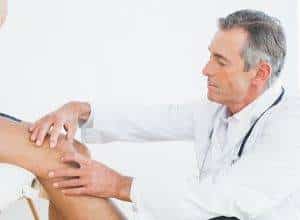
Within your knee joint are three bones: the femur (thighbone), the tibia (shin bone), and the patella (kneecap). These three bones meet to create the knee joint. Articular cartilage covers the ends of your tibia, the femur, and the back of the patella.
The cartilage allows the knee joint bones to smoothly glide against one another as you straighten or bend your leg. The meniscus is a rubbery and tough wedge-shaped cartilage between your femur and tibia. It cushions the joint and acts as a shock absorber.
Four ligaments connect the bones and stabilize the knee joint. The medial collateral ligament (MCL) is on the knee’s inside, while the lateral collateral ligament (LCL) is on the outside. These ligaments help control side-to-side movement.
The cruciate ligaments are within your knee joint and cross over each other to form an “X” shape. The anterior cruciate ligament (ACL) sits in the front of the knee joint, and the posterior cruciate ligament (PCL) sits behind it. These ligaments help control forward and backward motion.
The tendons within the knee connect the muscles to the bones. The quadriceps tendon connects the front thigh muscles to the patella. The patellar tendon connects the patella to the shinbone.
Many knee injuries can occur since several different parts make up the knee. In some cases, more than one structure is affected, which can increase your knee injury symptoms. Here are some of the most common injuries.
The patella, or kneecap, helps protect the joint. When you fall or collide with a person or an object, the kneecap often makes first contact. That can make it more prone to fractures.
Common knee injury symptoms of a fracture include sharp knee pain, swelling, bruising, and trouble putting weight on the leg. The knee may need immobilisation to heal. In some cases, surgery is needed for repair.
A knee dislocation happens when the knee bones come out of place after a large impact, such as a fall, collision, or car accident.
If the joint looks misshapen, feels unstable, or you have numbness, this can be serious. A true knee dislocation can affect blood flow and nerves and should be treated as an emergency. These knee injury symptoms should never be ignored.

Ligament injuries are very common in sports. They can happen when your knee is overextended or moved in a way it should not naturally move. Because ligaments help keep the knee stable, they can stretch or tear when forced too far.
The cruciate ligaments (ACL and PCL) are commonly injured, but the MCL and LCL can also be affected. Typical knee injury symptoms include a pop at the time of injury, swelling within a few hours, and a feeling that the knee is giving way.
Ligament injuries are often graded based on severity:
Meniscus tears often occur during sports that involve jumping, pivoting, or quick direction changes. They can also happen over time as the cartilage wears down.
Many people notice knee pain along the joint line, swelling, and a catching or locking feeling. These knee injury symptoms may feel worse when squatting or turning.
Tendon tears can happen to anyone but are more common in middle-aged adults and in jumping or running sports. Awkward landings and falls can overload the tendon.
Common knee injury symptoms include pain in the front of the knee, swelling, and weakness when trying to straighten the leg. Some people cannot lift the leg straight without help.
Tell-tale knee injury symptoms include swelling and knee pain. You may also have trouble moving the joint. It may feel stiff, locked up, or like it is catching as you bend and straighten your leg.
If you hear a pop and the knee gives out during the injury, that is a cause for concern. This popping sound can be linked to a ligament or meniscus problem. After a knee injury, the joint may feel unstable, like you cannot stand firmly on the leg.
Many people ask about the causes of knee popping and pain because it can feel scary. Some popping is harmless, especially if there is no knee pain. But painful popping that comes with swelling, locking, or giving way is one of the more important knee injury symptoms to take seriously.
Common causes include:

Many people look up how to test for knee ligament injury when the knee feels loose or wobbly. These checks do not diagnose an injury, but they can help you decide if you need an exam.
Important safety note: If your knee pain is severe, swelling is rapid, or you cannot bear weight, do not force any test. Seek medical care.
Here are a few gentle ways to approach how to test for knee ligament injury at home:
Take a few steps on flat ground. If the knee gives out or feels unstable, stop and rest.
Swelling that shows up quickly (within a few hours) is a warning sign for a more serious injury.
Lie down and lift the injured leg straight. If you cannot lift it, or it triggers sharp pain, stop.
Step down slowly from a low step. If you feel sharp knee pain or instability, stop right away.
If you are not sure how to test for knee ligament injury safely, avoid hands-on stress tests. Clinicians use specific tests to check ligament integrity., such as a completely torn ligament, cannot heal independently, and they'll need to be operated on.
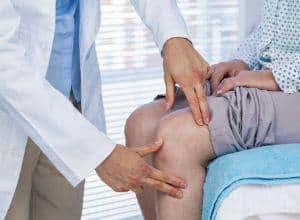
If the knee pain is mild, it is possible you did not damage it further and it is just sore from overuse. You can often treat this type of pain using the RICE method: rest, ice, compression, and elevation.
When you have severe pain, swelling, bruising, locking, or instability, it is important to get treatment. Ignoring a problem can turn a minor sprain into a bigger injury.
Among the first steps of treating a knee injury is stabilising the joint. A provider may recommend a brace to limit motion and support healing. Crutches may also help you avoid putting weight on the injured leg.
Physical therapy often involves several weeks of stretches and exercises to restore function. A therapist can also help strengthen the muscles around the joint to reduce knee pain and improve stability.
Surgery may be needed in some cases to fully restore function, especially with a complete ligament tear, some fractures, or a meniscus tear that keeps locking. Many surgeries can be done arthroscopically using small tools and small incisions. In other cases, a larger incision is needed to repair the injury.
If your knee injury symptoms are not improving, getting the right diagnosis can help you avoid further damage and get back to normal movement sooner.
Not always. Some popping is normal. But if you also have swelling, locking, or knee pain, those can be key knee injury symptoms.
Sometimes, yes. But the knee may feel unstable and can give out. If those knee injury symptoms show up, get checked.
Imaging is often needed after a major impact, visible swelling, locking, or knee pain that does not improve. X-rays assess bone injury. MRI helps evaluate ligaments, cartilage, and meniscus.
Seek care if your knee pain started after trauma, or if you have swelling, warmth, redness, locking, or instability.
Common causes include meniscus tears, ligament injury, cartilage damage, and loose bodies inside the joint.
Sometimes, you don't know how serious your neglected shoulder injury can get before you need the help of a shoulder injury specialist. The question you might have is: how would I know when to see a shoulder injury specialist for my shoulder injury? Shoulder and elbow injuries often result from a serious fall leading to shoulder pain, hearing a clicking or popping sound in your shoulder, noticing a bruise or a bump, or experiencing immobility.
Some shoulder pain can be ignored and will get better on its own over some time. This method could work for most people, but it might be a bad idea for serious types of shoulder and elbow injuries.
Considering the range of motion a shoulder has, it's perhaps not too surprising how common shoulder pain is—it's estimated about 7.5 million people a year see a shoulder injury specialist for shoulder pain, and many more manage the pain at home.

Your shoulder allows you to move your arms from side to side, forward and backward, and above your head. A painful shoulder injury can occur from repetitive motions or acute, sudden injuries; chronic illnesses like arthritis can also damage the joint. Here are the most common reasons people experience shoulder pain:
Shoulder tendinitis typically happens from a repetitive motion. Occasionally, a more sudden, unexpected injury could cause the issue. It's common in athletes, especially those who might inadvertently use the incorrect form, putting additional stress on the tendons and tissues in the shoulder.
Therapy for shoulder tendinitis focuses on regaining mobility and decreasing the discomfort caused by pain and swelling. Rest and ice on the shoulder is an excellent start — it will help reduce the swelling. Physical therapy could help relieve the symptoms and help regain strength in the shoulder. Surgery is often only needed if the tendon has been partially or wholly torn.
Shoulder bursitis happens when the small fluid-filled sacs (bursae) cushion and protect bones, muscles, and tendons become inflamed. The shoulder is among the most common for bursitis, often in joints that conduct repetitive motions.
This condition can also cause swelling and stiffness, aside from a general ache in the shoulder. It may be inconvenient or even painful when you move your shoulder or apply pressure to it. If pain is persistent, you should consult a doctor about developing a course of treatment and pain management.
Your shoulder injury specialist may likewise recommend medication to reduce pain and inflammation, therapy to strengthen and fortify the muscles in the shoulder, and even injections to reduce severe inflammation, or surgery. Surgery is rarely required in bursitis treatment.
Rotator cuff tears are common, especially in middle-aged people who perform repetitive overhead motions at work or while playing a sport. Tears can occur over time due to wear and tear or a sudden accident or injury.
Most describe the pain from a rotator cuff tear as a dull ache that gets worse if you sleep on the affected shoulder. The tear can make it hard to reach behind your back to do daily tasks like brushing your hair. It may also make the arm feel weak.
If you suspect a rotator cuff tear, it's recommended that you make an appointment to see a shoulder injury specialist. There are a lot of options for rotator cuff tear treatment, but they are generally more effective if the injury is diagnosed early.
At your appointment, your shoulder injury specialist will talk to you about your symptoms. More testing, such as an ultrasound, MRI, or X-ray may be utilized to confirm the doctor's diagnosis and assess the severity of the shoulder injury.
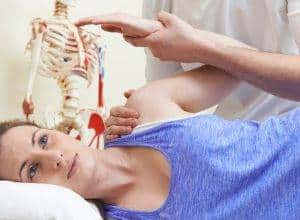
Your shoulder injury specialist might also recommend physical therapy to improve the strength in your shoulder.
Injections are an option to help lessen the pain, although it's important to remember that even though the pain may be gone, the underlying issue is not. Surgery can help repair the tendon and, if necessary, replace the shoulder joint.
The frozen shoulder doesn't occur suddenly — it gradually worsens, causing pain and stiffness in the shoulder joint.
People at risk for this condition have had a medical situation or procedure that limits movement in the arm, for instance, somebody who has had a stroke or a broken arm. It's also more common in people over 40 and is seen more often in women than men.
A frozen shoulder usually gets better on its own within 12 to 18 months; however, physical therapy can help maintain and recover mobility within the shoulder. Corticosteroid injections could help manage pain, although these injections are often more useful in the early stages of frozen shoulder. Surgical options for frozen shoulder aren't standard, but there are options should this be the course of treatment best for you.
A fall, particularly if you land on an outstretched hand, can stretch or tear the joint's ligaments, causing a sprained shoulder.
Strained shoulder muscles are caused by overuse or sudden increase in use.
The most common type of arthritis that affects the shoulder is osteoarthritis.
Most shoulder fractures occur when you fall and land on an outstretched hand.

A separated shoulder can occur if you fall on your shoulder or your shoulder is hit with a strong force. The ligaments that attach your shoulder to your collar bone become stretched or torn.
A shoulder dislocation is different from a shoulder separation. A strong blow to the shoulder can force the humerus ball out of the shoulder socket. A dislocation can be partial or total.
Listed below are the five indications that should be observed before setting an appointment with a shoulder injury specialist.
After an intense fall, you can hear a popping sound in your shoulder, followed by severe pain or shoulder weakness. That might be a tear in your rotator cuff or an AC joint separation. When you hear the popping sound after a fall, you must see a shoulder injury specialist immediately before your injury worsens.
Shoulder weakness after injury may be due to a ruptured or torn rotator cuff. That is usually caused by a sudden force being exerted onto the shoulder. Large tears on the rotator cuff usually cause weakness, especially when trying to lift your arm. If you are experiencing this, it's time to see a shoulder injury specialist.
If you lack stability in your shoulder after getting injured, it means that your shoulder is most likely dislocated. Sometimes, a dislocated shoulder will slide back to its place immediately after getting up from the ground. Some will not – this is when you need to be seen by a shoulder injury specialist.

You might notice a bump on the top part of your shoulder after a sudden fall. A bump always comes with severe pain, indicating only an injury in your AC joint or a shoulder separation. Most AC separation cases do not require surgery, but a doctor's evaluation is necessary to assess which type of AC separation you have.
Once the shoulder injury specialist determines which type of AC separation you have, you will know if your shoulder injury is serious or if it just needs time to recover on its own.
A sudden fall onto your shoulder transmits the force to your clavicle (collarbone), which can make it fractured. After the injury, you may notice a bump over your clavicle and severe pain in that area. It is important to have a shoulder injury specialist evaluate your type of fracture to receive the proper care before the injury worsens.
Most shoulder injuries can worsen when left untreated. That is why it is important to immediately see a shoulder injury specialist if you are experiencing any (or all) of the five indications mentioned above.
Shoulder pain can interfere with your life, from work and play to sleeping. It's important to check your shoulder if your pain doesn't go away because with some injuries, such as frozen shoulder, the longer you wait for medical help, the harder it can be to treat the problem.
If you have shoulder pain or swelling and it's not going away, speak with your shoulder injury specialist about your diagnosis and treatment options.
A knee doctor, also referred to as a knee injury specialist, is a medical expert who has specialized knowledge of the knee and works with patients dealing with knee issues. They often work with athletes or athletic teams since many athletes are at high risk for knee injuries.
Preventative care could sometimes help an athlete avoid a knee condition, but some high-impact or contact sports could make knee injuries hard to avoid. A knee injury specialist usually treats injuries in athletes are ligament injuries, such as MCL tears, ACL tears, PCL tears; kneecap fractures; and meniscus tears.
A knee injury specialist also works with non-athletes and those who are overweight. Because they're carrying extra weight, it puts a strain on their knees, and as a result, knee damage and pain happen. Knee doctors also assist patients in dealing with knee pain that's developed over time by using their knees normally during their lifetime.
Older people typically suffer from knee pain because they have put more "miles" on their knees, and the bones and cartilage have become worn. Knee injury specialists can help many patients enjoy their lives and not be limited by their knee conditions or pain.

Being aware of some symptoms is important because if a knee problem can be diagnosed and treated early on, it will help avoid further knee damage and pain. Sharing this information with your knee injury specialist lets them offer you the best knee care. If any of these following symptoms seem familiar, you may have damaged your knee joint or the surrounding tissues:
Osteoarthritis is among the most common type of arthritis, and it is often seen in the knees. It's generally a result of age and regular wear and tear. Women aged 55 and older are more likely to have knee osteoarthritis than men. Osteoarthritis could also result from genetics and is seen in overweight patients. Furthermore, it is more likely to happen in those constantly lifting heavy weights or athletes who have had knee injuries.
A knee effusion happens when fluid increases in the joint's surrounding tissues. It could happen to any joint but is often seen in the knee. A knee effusion could result from anything that inflames or injures the knee. Knee effusions are usually seen in those with arthritis (like osteoarthritis, rheumatoid arthritis, and psoriatic arthritis). Gout could also cause knee effusion.
Typically, your knee injury specialist would prescribe medications to reduce the swelling caused by a knee effusion. If your knee doesn't respond to those medications, your doctor might prescribe steroid medications or injections. Surgery is rarely necessary to treat the swelling.
The anterior cruciate ligament (ACL) offers stability to the knee. The ACL links your thigh bone to the shin bone and is usually injured by a sudden twisting motion (making it a common injury for athletes).
Your knee injury specialist will conduct an exam to assess the severity of the tear. Some ACL injuries could be treated without surgery. Your doctor will probably advise reducing your activity (perhaps wearing a brace) and attending physical therapy. Your doctor may also recommend additional treatments. Severe ACL tears are incredibly complex; they usually require reconstructive surgery to replace your torn ligament.
The meniscus is a rubbery disc that offers a cushion to the knee. There are two menisci per knee — one per side. They help keep the knee stable by dispersing your weight across your knee. A quick twist or turn causes a meniscus tear, usually while your foot is on the ground. Tears get more common as people age.
There are three meniscus tears: minor, moderate, and severe. Minor tears cause pain and swelling that often subsides in a few weeks. Moderate tears cause swelling and stiffness that might be accompanied by sharp pain when you move the knee. Severe tears could make the knee feel unstable and cause it to give way unexpectedly. The knee might "pop" as torn meniscus pieces may move into the joint.

Knee bursitis is an inflammation of your bursa (small fluid-filled sacs that reduce friction and offer a cushion). People who kneel for extended periods (such as gardeners, plumbers, etc.) have an increased risk of developing knee bursitis and those who play particular sports.
Patellar tendonitis is a common injury or tendon inflammation that connects the kneecap (patella) to the shin bone. Patellar tendonitis usually occurs from a repetitive impact on the knee and be caused by playing sports (especially sports that need a lot of jumping), doing household activities, and more. It is most commonly seen in middle-aged adults as tendons lose elasticity.
Determining the cause of knee pain often begins with your primary care doctor. A physical exam is performed. The exam will help determine the severity and origin of your pain.
If your primary care physician evaluates you and your knee pain requires a more detailed evaluation. In that case, your doctor may refer you to an orthopedic surgeon specializing in diagnosing and treating problems with the musculoskeletal system. Your orthopedic surgeon would most likely take imaging tests to see the knee joint in greater detail, including X-rays to check the bones in your knee joint or magnetic resonance imaging (MRI) scans to check the ligaments and cartilage in the knee.

Depending on these imaging tests, your orthopedic surgeon may prescribe a conservative treatment plan that could include medication, joint injections, exercise, or a supervised therapy program.
A surgical procedure might also be recommended if warranted.
In an acute knee injury, the knee should be immediately treated with ice, elevation, and a compressive bandage. Most knee injuries and chronic knee conditions need care from an orthopedic doctor for assessment, diagnosis, and treatment.
A careful clinical examination would detect damage to the joints and other structures and ligaments in the knee.
Non-operative treatment for degenerative conditions and knee injuries may include rest, ice, steroid injections, or physical therapy. Crutches and analgesics are sometimes necessary for the early phases of care. The goal of treatment is to lessen swelling, strengthen the muscles around the joint, and regain function and motion.
When surgery is needed to treat a knee injury or condition, knee injury specialists are experienced in conducting leading surgical procedures, including:
Our knee injury specialists understand that knee pain and injury can have a significant effect on your lifestyle and hinder you from performing your regular, everyday activities. To schedule an appointment with any of our knee doctors, please call us today!
If you're wondering why ankle injury doctors are in-demand in the medical field, you'd be surprised to know that sprained ankles are undoubtedly one of the most common sports injuries encountered by people of all ages and activity levels. Yes, it is true that if the sprained ankle is a very mild one, there is a great chance you will be able to manage your care in the comfort of your home.
Unfortunately, that gives a lot of people a false sense of security regarding their sprain. The truth is that there are some extremely good reasons you should always seek a professional evaluation from an ankle injury doctor directly, even if significant treatment interventions are not warranted in your case.
Ensuring your care is properly managed, even for a minor sprain, could help significantly reduce the risk of long-term issues.

Ankle sprains could affect one or more ligaments that support and stabilize your ankle joint and range from mild to severe. (These are traditionally known as grade I through grade III, respectively).
If you have a grade II or grade III sprain, you probably don't need to read this article to have a good idea of what happened. You are probably already dealing with pretty severe pain, instability in your ankle joint, and a decent amount of bruising. Don't kid yourself—that's a serious injury, and you need medical attention ASAP.
Grade I sprains, on the other hand, could be more subtle. One or numerous ligaments have been overstretched but not torn in this instance. There's a decent chance you will still be able to put weight on your foot with just mild discomfort—and you might well be tempted to do so, particularly if you've been told to just "walk it off".
Don't give in to this temptation! If you are dealing with any pain, swelling, or tenderness after possibly twisting or hyperextending your ankle, stop what you're doing, start RICE therapy (rest, ice, compression, elevation), and give your ankle injury doctor a call.
Do you know the single biggest risk factor for getting an ankle sprain? It's whether you have already had an ankle sprain in the past.
As we said, relatively mild ankle sprains could often be treated successfully at home. That can be achieved through RICE and, when appropriate, rehabbing your ankle through physical therapy.
However, the proper steps must be taken in the proper order. You shouldn't go too hard too soon and risk re-aggravating your injury. Nor do you should leave your rehab incomplete, leading to an ankle that isn't as strong or flexible as before the sprain.

If your ankle cannot fully heal and recover, there's a greatly increased risk of recurring sprain. And the more sprains you wind up sustaining, the greater the likelihood that the joint would become chronically wobbly and unstable even after rehab. Eventually, your ankle might require a surgical repair to fix the damage.
We understand how significant your activities are to your overall well-being and happiness. The last thing we wish to see is a very minor, one-time injury be your first step toward permanently reduced stability and mobility.
Never begin a treatment program for an ankle sprain without consulting with an ankle injury doctor. They have extensive experience diagnosing sprains and building custom treatment plans that take the severity of the injury and your lifestyle goals into account.
To heal as quickly as possible, you have to see an ankle injury doctor for your sprain or any other ankle injury. Consider these factors to guide you in your search:
If you injure your ankle, you have compromised your mobility and stability. Seek an ankle injury doctor to assist you in recovering and returning to normal activity again.

You'll need to find an experienced specialist you can see instantly. An ankle injury doctor could help accurately diagnose the ankle injury and differentiate between an ankle injury that'll heal without surgery from one that requires surgery. Also, see an ankle injury doctor with knowledgeable and friendly staff near you. Consider the accessibility and location of both the surgery center and office.
Though most ankle sprains and other injuries don't require surgery, Ask specifically regarding where surgeries occur when looking for an ankle injury doctor. Some specialists would use an outpatient surgery center, while others would be at a hospital.
Reviews and references help you see an ankle injury doctor's work from a patient's perspective. A person can easily complete a rating and survey after they've worked with a given physician. These ratings can provide you with opinions of the service you will receive before you walk through a doctor's door.
With that said, recognize that anyone could fill out an online review. If someone is unhappy with an ankle injury doctor for an unrelated medical reason, they can take out their frustration on the doctor online.
However, a referral is better to guarantee that an ankle injury doctor is qualified. When a trusted family member or friend tells you a doctor is knowledgeable, trustworthy, and a great ankle specialist, you can believe them.
Look at the ankle injury doctor's credentials, education, and training you're considering, along with their board certification(s). Research the difference between a sports medicine physician, an ankle orthopedic surgeon, and a podiatrist. Talk to your regular doctor to know if the ankle specialist you consider has the necessary experience and training.
You have various options for ankle injury doctors when you're searching for an ankle specialist. The best sports medicine expert will understand the best ankle injury treatment because they've seen many different injuries dozens of times.

Moreover, an ankle injury treated by a fellowship-trained doctor suggests you have an expert with an extra year of training and experience. This person has trained under another skilled surgeon and focused on just ankles for that whole year.
Look for an ankle injury doctor willing to talk about cutting-edge approaches, devices, and technologies. You want an individual willing to understand the best approaches to ankle problems.
Because foot/ankle injuries could take time to heal and impair your ability to stand, walk, and drive, it's important to consult an ankle injury doctor who will help you fully recover as fast as possible. Extended time out of work or unable to drive has real consequences.
It's important to see an ankle injury doctor who will listen empathically and help you navigate your ankle injury's personal and professional challenges during healing.
You need to go to an ankle injury doctor if you have severe pain or swelling; have a severe deformity or open wound; have signs of infection, like warmth, redness, and tenderness in the sprained area, or a fever greater than 37.8 C. You would also need to see a specialist if you can't put weight on your foot.
Although sprained ankles might not always be a cause for concern, there are times when you need to get checked by an ankle injury doctor before the situation gets worse.