(214) 466-7391



If you have a rotator cuff tear in Dallas, doctors can help you decide between physical therapy and surgery. The rotator cuff is a group of muscles and tendons in your shoulder. These tissues keep the joint stable and let you move your arm. When they tear, you may feel pain, weakness, and loss of motion. This guide covers rotator cuff tear treatment Dallas options to help you make the best choice for your shoulder.
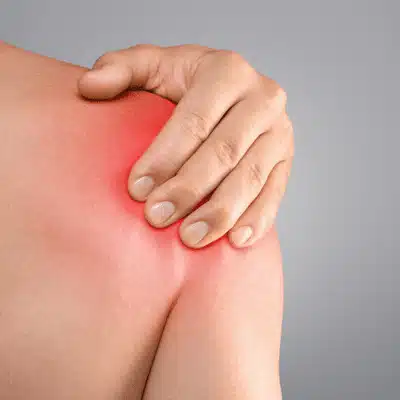
Nearly 2 million Americans see a doctor for rotator cuff tears in Dallas each year, according to AAOS. Dallas residents face these injuries often due to active lifestyles and sports. Tears become more common with age and repetitive overhead activities. Baseball players, painters, and construction workers are at higher risk.
Two main types exist:
Common symptoms include:
Some rotator cuff tears in Dallas cause no pain at all. People discover them on scans during other exams. If you have sudden arm weakness after a shoulder injury, see a doctor right away. This could mean a large tear that needs prompt care.
Avoid surgical risks
No infection risk or long recovery times.
Effective pain relief
Targeted exercises reduce pain and improve motion.
Better function
Stronger shoulders compensate for tears, even if the tendon stays torn.
Personalized care
Therapists tailor programs to your goals and lifestyle.
May prevent surgery
Many patients never need an operation.
Most doctors start with conservative care. Over 50% of patients get relief without surgery, according to OrthoInfo. The first-line treatment is usually physical therapy.
A skilled therapist will guide you through exercises. These movements restore shoulder motion and strengthen the muscles around the joint. By building up the intact portions and surrounding muscles, therapy can make up for the tear.
Key Benefits of Physical Therapy:
A 10-year study by the MOON Shoulder Group found great results. Over 70% of patients with full-thickness tears succeeded with physical therapy alone. They had less pain and better function without surgery, according to AAOS.
Current AAOS guidelines confirm that small to medium tears respond well to both PT and surgery. This means you can often recover through rehab without an operation.
What to Expect:
Therapy takes several weeks to a few months. You'll work in the clinic and do exercises at home. Consistency is key. Expect gradual progress over 2 to 3 months. Your effort determines success.
While therapy works for many people, some cases need surgery. A rotator cuff surgery specialist Dallas can evaluate your shoulder and recommend the best approach.
Surgery May Be Needed If You Have:
Surgery options today are less invasive. Most procedures use arthroscopy with small cuts and a tiny camera. The surgeon reattaches the torn tendon to the bone. This approach causes less tissue damage and speeds recovery.
According to AAOS, only surgery can physically restore the tendon. Without repair, tears can get worse over 5 to 10 years. Tendons retract, muscles shrink, and fatty tissue builds up. That's why younger patients with big tears often choose surgery sooner.
Surgery Trade-offs:
After surgery, you'll wear a sling and need more therapy. Recovery takes time. But patients who heal well often report better strength than those treated with PT alone, per AAOS. A Dallas orthopedic shoulder surgeon for rotator cuff injuries will help you weigh the pros and cons.
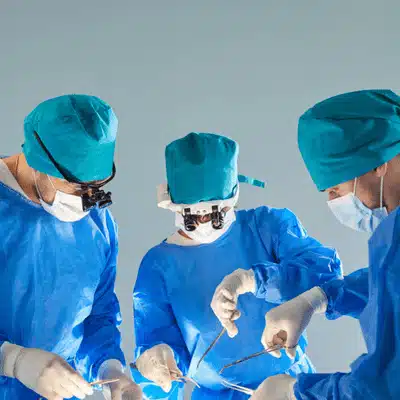
Getting expert care makes all the difference. A shoulder specialist can diagnose your tear with an exam and MRI. They'll guide you through your options.
Most surgeons start with PT first. They monitor your progress over weeks or months. If you improve enough, you can skip surgery. If not, you can move forward knowing you tried the conservative path.
Look for a provider who:
Most patients complete therapy in 2 to 3 months with consistent effort. You'll notice gradual improvements in pain and strength during this time.
Yes, over 50% of patients heal with physical therapy alone according to OrthoInfo. Strengthening surrounding muscles can compensate for the tear and restore function.
See a specialist if you have severe pain lasting over 6 months, large tears, sudden weakness, or high shoulder demands. Athletes and workers with overhead activities may need earlier evaluation.
Without treatment, tears can enlarge over 5 to 10 years. Muscles may shrink and weaken, making future repair harder according to AAOS guidelines.
If physical therapy doesn't improve your symptoms after several months, surgery may help. A surgeon can assess tear size and tissue quality to recommend the best option.
Physical therapy succeeds in over 70% of full-thickness tears per MOON Shoulder Group research. Surgery also shows high success rates for appropriate candidates with improved long-term strength.
Whether you choose physical therapy or surgery, expert guidance is essential. The right treatment depends on your tear size, symptoms, activity level, and goals. Many patients start with PT and avoid surgery completely. Others benefit from surgical repair to restore full function.
Ready to Take the Next Step?
Contact our shoulder specialists today for a complete evaluation. We'll assess your rotator cuff tear, explain all rotator cuff tear treatment Dallas options, and create a plan tailored to your needs. Get back to the activities you love, pain-free.
Call us now to schedule your consultation with a leading Dallas orthopedic shoulder surgeon for rotator cuff injuries.