(214) 466-7391


If you have a rotator cuff tear in Dallas, you're not alone. Nearly 2 million Americans see a doctor each year for rotator cuff injuries, according to the American Academy of Orthopaedic Surgeons (AAOS). Whether your tear came from a sports injury or years of wear, the right care makes all the difference. This guide covers the key symptoms, treatment paths, and what recovery looks like.
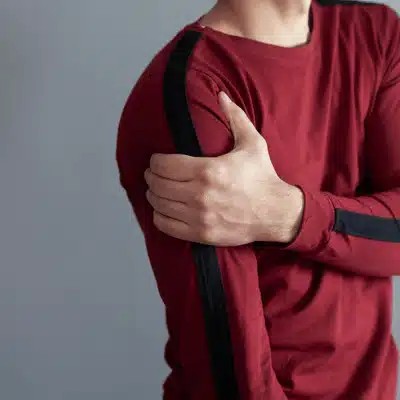
A rotator cuff tear affects the tendons that hold your shoulder joint together. Symptoms can start mild and get worse over time.
Common signs include:
Some people have a tear with no pain at all. Others feel sudden, sharp pain after a fall. If you can't raise your arm right after an injury, see a Dallas shoulder doctor right away. That could mean a large, acute tear that needs prompt care.
Tears happen two ways: a sudden injury or slow wear over time. Both are common in active adults.
Main risk factors:
According to the U.S. Census Bureau, Dallas-Fort Worth added 123,557 residents from July 2024 to July 2025, making it one of the fastest-growing metro areas in the country. The U.S. Bureau of Labor Statistics also projects that older adults will make up a larger share of the population and labor force through 2033, and a review in Clinics in Geriatric Medicine notes that rotator cuff tears become more common with age. Together, those trends suggest demand for rotator cuff care in Dallas is likely to keep rising.
Most doctors start with nonsurgical care. Research published in the Journal of Bone and Joint Surgery (JBJS) found that physical therapy alone helps over 70% of patients with full-thickness tears. Results lasted at least 10 years.
Conservative options include:
The AAOS advises limiting cortisone shots. Repeated injections can weaken tendon tissue and raise surgical risks down the road.
Surgery may be the right call if:
The most common procedure is arthroscopic rotator cuff repair. Your rotator cuff surgeon makes small incisions and uses a tiny camera to reattach the torn tendon. This means less tissue damage and a faster recovery than older open surgery methods.
For complex or irreparable tears, options may include tendon transfer or reverse shoulder arthroplasty.

Recovery depends on whether you had surgery or chose a nonsurgical route. Either way, rehab is the most important part.
Physical therapy often takes several weeks to a few months, depending on the injury. Cleveland Clinic notes that recovery timelines vary by condition, and a 2025 systematic review found that higher exercise adherence was linked with better pain and function outcomes, so gradual progress is normal and consistency matters.
According to a 2024 randomized clinical trial on subacromial pain syndrome, patients showed better pain relief and shoulder function at six months, and a broader systematic review found that exercise therapy helps reduce pain and improve function in shoulder conditions.
Ready to Get Relief? At Sunnyvale Sports Medicine and Orthopedic Center, our team includes experienced shoulder specialists in Dallas, TX who provide individualized care. From diagnosis to recovery, we guide you every step of the way. Book your appointment today or call us to request a consultation.
Start with a visit to a Dallas shoulder doctor for an exam and imaging. Most small to medium tears respond well to physical therapy, while large or acute tears often require surgery.
Most patients regain basic function within 4 to 6 months. Full recovery, including a return to heavy activity or sports, can take up to 12 months.
Partial tears may stabilize with therapy, but full tears will not reattach without surgery. Leaving a full tear untreated can cause the tendon to retract and the surrounding muscles to weaken.
Look for a board-certified orthopedic surgeon with experience in arthroscopic shoulder procedures. Ask about their outcomes with rotator cuff repair.
No. A strain involves overstretching the muscle or tendon without a structural break. A tear means part or all of the tendon has pulled away or split, requiring more targeted treatment.
Yes. Sunnyvale Sports Medicine and Orthopedic Center has dedicated specialists for shoulder, knee, and other joint conditions. You can get comprehensive orthopedic care all in one place.
A rotator cuff tear in Dallas doesn't have to keep you sidelined. With the right diagnosis and a personalized plan, most patients get back to the activities they love. Whether you need physical therapy or a consultation with a rotator cuff surgeon, Sunnyvale Sports Medicine and Orthopedic Center is here to help.