(214) 466-7391


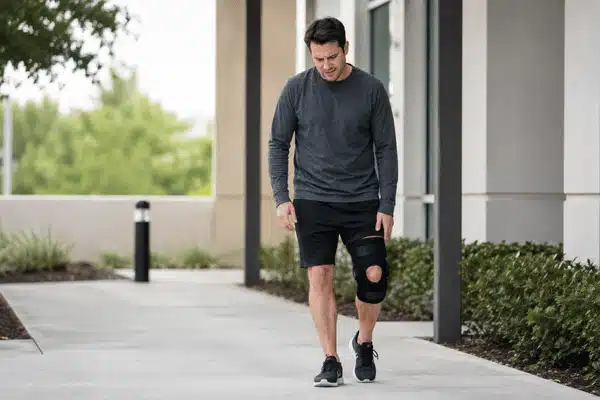
Can you walk with a torn ACL? In many cases, yes. Walking may become easier once the first round of pain and swelling starts to settle. But a knee that feels fine during a short walk may still be unstable when you turn, pivot, or change direction.
That is why being able to walk does not mean the injury is minor. Here is what a torn ACL can feel like, how doctors assess it, and what recovery may look like.
Many people can walk after an ACL tear. Some can put weight on the leg within days. Others need crutches because the knee hurts, swells, or feels unsteady.
Everybody experiences symptoms differently, according to the American Academy of Orthopedic Surgeons. Some people report that their knees give way when they move normally in their daily lives. Some only notice the issue when they pivot, run, or cut.
Early on, it's ideal to:
Straight walking puts less stress on the ACL than twisting does. That is why walking can feel manageable even with a serious tear.
If you are wondering what a torn ACL feels like, the first signs are often hard to miss.
Common symptoms include:
A pop or snapping feeling inside the knee
Sudden pain
Swelling that builds within a few hours
Trouble fully bending or straightening the leg
Pain while putting weight on the knee
A loose or unstable feeling
The ACL helps control the forward movement of the shinbone. It also helps steady the knee when the body turns.
A doctor may be able to diagnose the injury from your symptoms and a knee exam. An MRI can help show the ACL more clearly and check for other damage, such as a meniscus tear.
Walking mostly moves the knee forward and back. Twisting and pivoting place much more stress on the ACL.
That is why someone with a torn ACL may walk across a room without much trouble, then feel the knee give way during a quick turn.
Repeated episodes of buckling can also put the meniscus and cartilage at risk. AAOS notes that long-term instability is linked with more damage inside the knee.
Pain alone is not a good test of whether the knee is ready for sports.
There is no single treatment that works for everyone. The right plan depends on the tear, your symptoms, your activity level, and whether other parts of the knee were injured.
| Treatment | Who It May Suit | What It Can Include |
| Nonsurgical care | Stable tears or lower-demand activity | Physical therapy, strength work, activity changes, and sometimes a brace |
| ACL reconstruction | Unstable knees or people returning to pivoting sports | Surgery using a tendon graft |
| Selected ACL repair | Certain tear types | Repair of the existing ligament in carefully chosen cases |
Physical therapy is a key part of treatment either way. Building strength around the knee can improve control and help protect the joint.
When surgery is needed, ACL reconstruction is still the most common choice. The damaged ligament is replaced with a tendon graft.
Some patients may now have other options. One is the BEAR implant, which is designed to help the patient’s own ACL heal. It is only used in selected cases and is not right for every tear.
ACL tear recovery time varies from person to person. Your progress matters more than hitting a certain date on the calendar.
| Stage | Main Focus |
| Early recovery | Reduce swelling and regain movement |
| Rehab | Improve walking, strength, and balance |
| Later rehab | Build control for running and jumping |
| Return to sport | Pass strength and movement tests before full activity |
After ACL reconstruction, return to high-demand sports often takes about 9 to 12 months or longer.
Doctors and physical therapists may look at:
Returning too soon can raise the chance of another injury, especially in younger athletes.
For people treated without surgery, rehab may still take several months. If the knee keeps giving way, surgery may be discussed later.
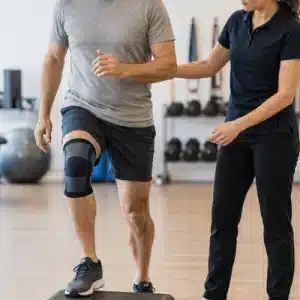
Most people can return to an active life after an ACL injury with the right care and rehab.
Still, an ACL tear can raise the risk of knee arthritis later in life. That risk may be higher when the meniscus or cartilage is also damaged.
Strength training, balance work, and good movement habits can help support the knee after recovery.
Some people develop severe arthritis many years after a knee injury. In those cases, an orthopedic surgeon may discuss treatments such as total knee replacement. A torn ACL does not mean knee replacement will be needed.
Some people can, but walking may be painful at first. Swelling can also make the knee feel stiff or weak. Use support if the knee feels unstable. Avoid forcing yourself to walk through severe pain.
Pain may be lower after a week, but the knee can still feel loose. Swelling may still come and go. Quick turns or stairs may make the instability more obvious. Symptoms can differ from one person to another.
Careful walking may be fine if the knee feels stable. The bigger concern is twisting or letting the knee buckle again and again. Other injuries may also affect how much weight you should put on the leg. Follow the advice given by your doctor or therapist.
Some ACL tears can heal or become stable without surgery. Partial tears may do well with rehab alone. Some complete tears can also be treated without surgery if the knee stays steady. The right choice depends on the person and the injury.
Recovery without surgery often takes several months. Therapy focuses on strength, movement, and knee control. Some people return to low-impact activity sooner than others. Ongoing instability may mean surgery is worth considering.
See an orthopedic doctor if your knee pops, swells quickly, locks, or keeps giving way. You should also get checked if you cannot put weight on the leg. An exam can help find ACL, meniscus, or cartilage damage. Early care can make the treatment plan clearer.
Can you walk with a torn ACL? Many people can, but that does not mean the knee is fully stable. The safest next step is to have the injury checked and follow a rehab plan that fits your needs.
If your knee keeps swelling, buckling, or feeling unstable, book an appointment with Sunnyvale Sports Medicine and Orthopedic Center for a full knee evaluation and treatment plan.